ERBIL, Kurdistan Region of Iraq – Iraqi Parliament Speaker Haibat al-Halbousi has ordered the summoning of the Central Bank governor and finance minister to parliament on Thursday to discuss the reasons behind the rise in the dollar exchange rate and “its repercussions,” after a government decision to devalue the dinar.
In a Wednesday statement, the Iraqi parliament’s media office said that Halbousi “directed that the Central Bank Governor [Nizar Nasser] and the Minister of Finance [Falih al-Sari] be hosted during tomorrow’s session to discuss the reasons behind the rise in the dollar exchange rate and its repercussions.”
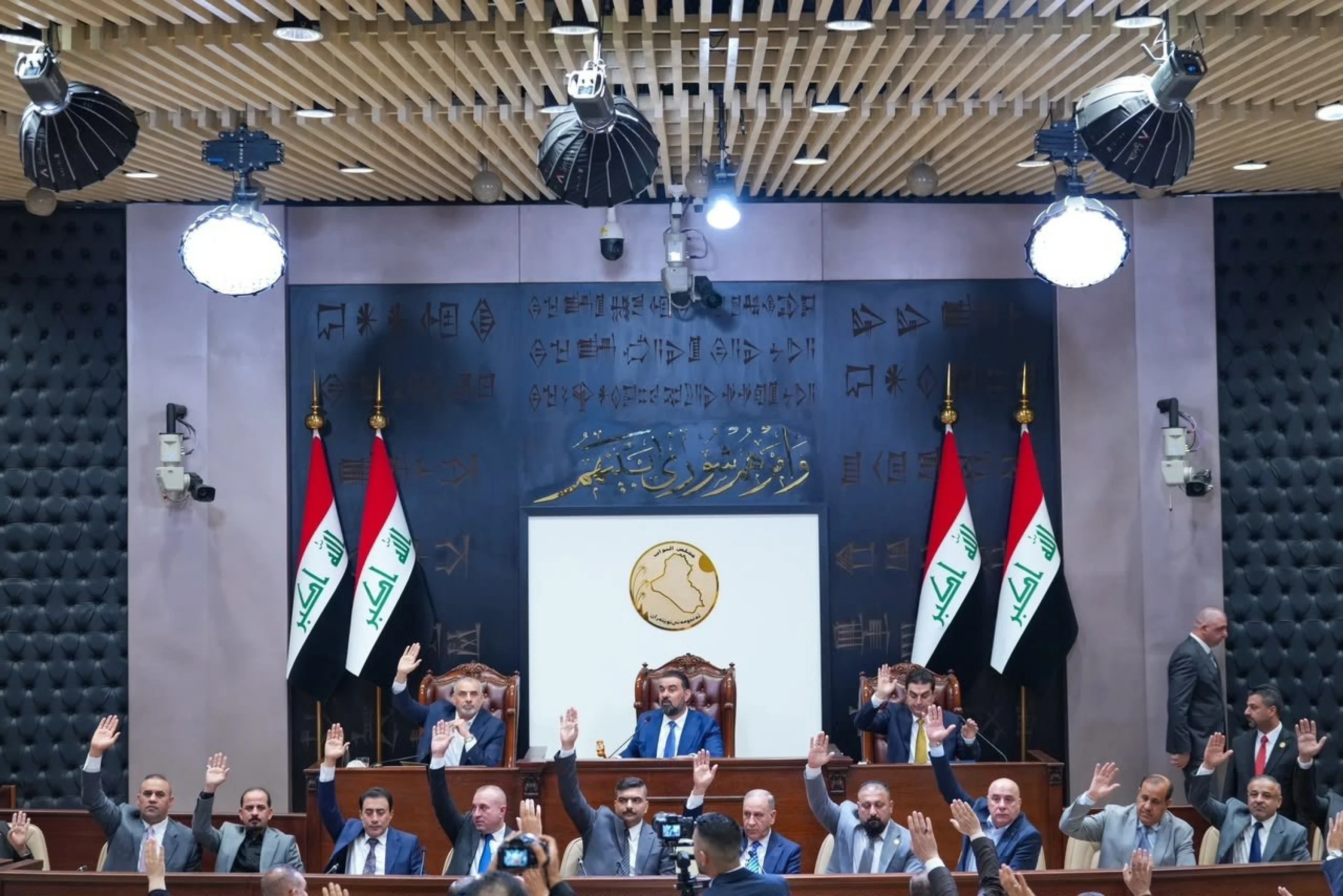
Earlier on Wednesday, the parliament voted to adjourn Wednesday's session to allow for an upcoming "general debate on raising the dollar exchange rate.”
On Tuesday night, Iraq’s Council of Ministers amended the exchange rate of the dinar to the US dollar from 1,320 per dollar to 1,520, with the measure coming into effect on Wednesday.
The country then witnessed a sudden plunge in the Iraqi dinar’s value, surging past 170,000 dinars per $100 - a dramatic shift compared to the 163,000 rate the night before.
The Iraqi Central Bank affirmed on Wednesday that its foreign currency reserves are sufficient “to meet all demands,” as the dinar plunged.
Iraqi lawmaker Ibtisam al-Hilali rejected in a statement the decision to raise the official exchange rate of the dinar, saying the new conversion rate will “negatively impact Iraqi citizens and the market.”
“We reject this decision. If the government truly wanted to address the financial crisis, it should have set the rate at 1,400 dinars per dollar or lower to control the market and prevent it from affecting food prices, which directly impacts citizens,” the statement read.
The Iraqi dinar initially fell during the onset of the Iran war, but then stabilized as Prime Minister Ali al-Zaidi’s government was elected. Since then, it has continued to gradually fall in value.
A weaker dinar raises the cost of imported goods, including food, medicine, and consumer products, putting additional pressure on Iraqi households already grappling with rising living costs.
 Facebook
 LinkedIn
 Telegram
 X
X