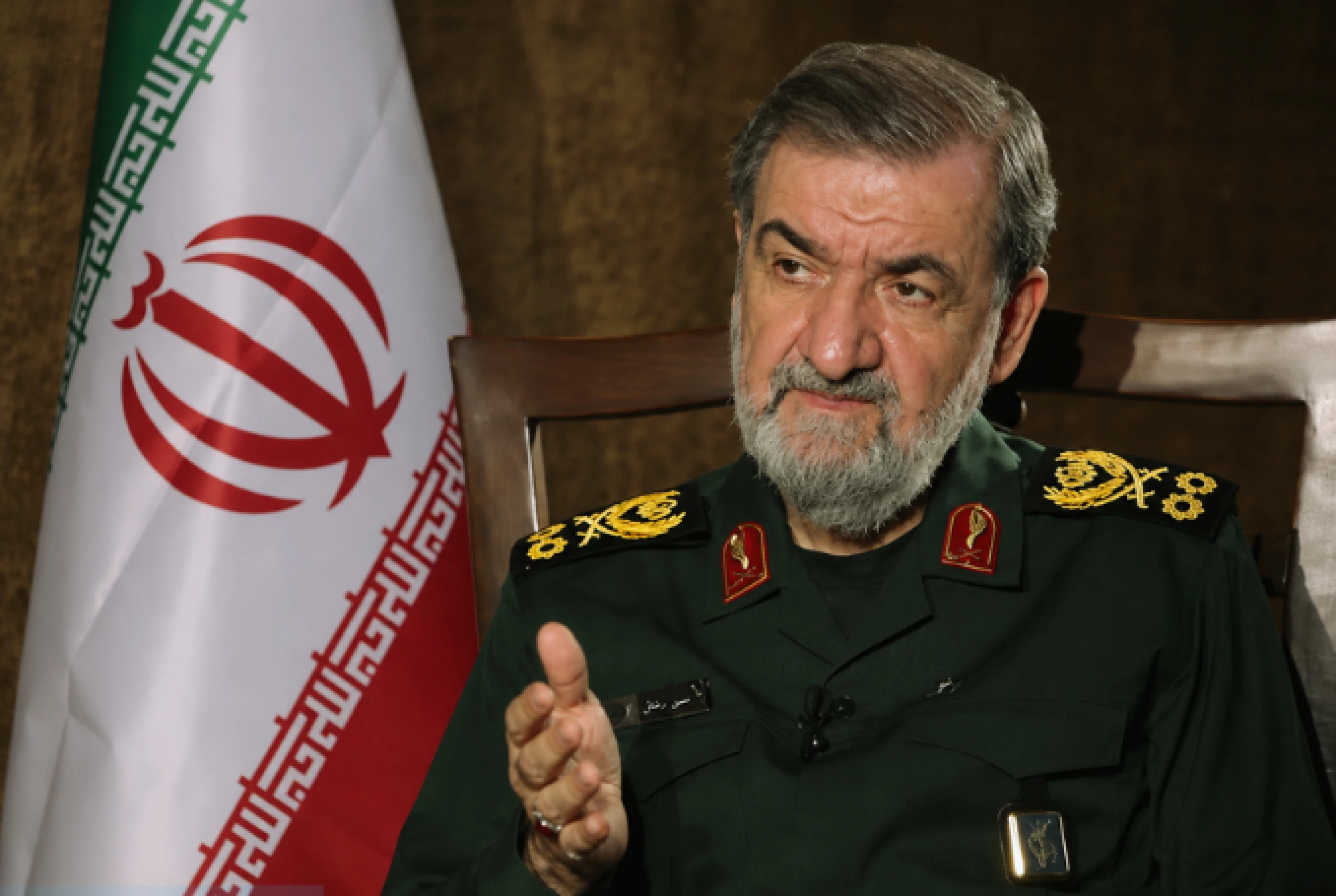
ERBIL, Kurdistan Region of Iraq - Iran’s security chief Mohsen Rezaei said Washington had “accepted some” of Tehran’s conditions for ending the conflict but “ambiguities remained,” warning late Sunday the Strait of Hormuz would remain closed until the US meets Iran’s demands.
“We announced seven conditions to the Americans: if you do not implement these conditions, neither will the Strait of Hormuz open to you, nor will there be any negotiations,” Rezaei told state media in an interview. “The Americans have now given a response. In their response, they have accepted some of our conditions, and there are ambiguities regarding others.”
Rezaei said Iran had held three rounds of negotiations with the US, but that in each round, the Americans left the negotiating table “unfinished and attacked Iran.”
Iranian officials have confirmed that Tehran and Washington have been in contact to seek a lasting solution to the conflict, which has persisted for much of 2026.
Iranian Foreign Minister Abbas Araghchi said Thursday that Tehran was reviewing the US response to Iran’s “seven-day plan” peace proposal and would provide its own response “within the next few days.” Foreign Ministry spokesperson Esmail Baghaei also said Iran’s “considerations and conditions for ending the imposed war on all fronts and restoring security to the Persian Gulf region and the Strait of Hormuz have been clearly and firmly explained.”
In September, Araghchi said Tehran would reopen the Strait of Hormuz within a week if Washington accepted Iran’s terms outlined in the June US-Iran memorandum of understanding. US President Donald Trump subsequently rejected the plan, saying the US already had “total control” over the vital waterway.
Iran’s main conditions under the memorandum included ending military operations on all fronts, including Lebanon, lifting sanctions, providing for post-war reconstruction and resuming nuclear negotiations. Washington, meanwhile, has made free navigation through the Strait a central demand.
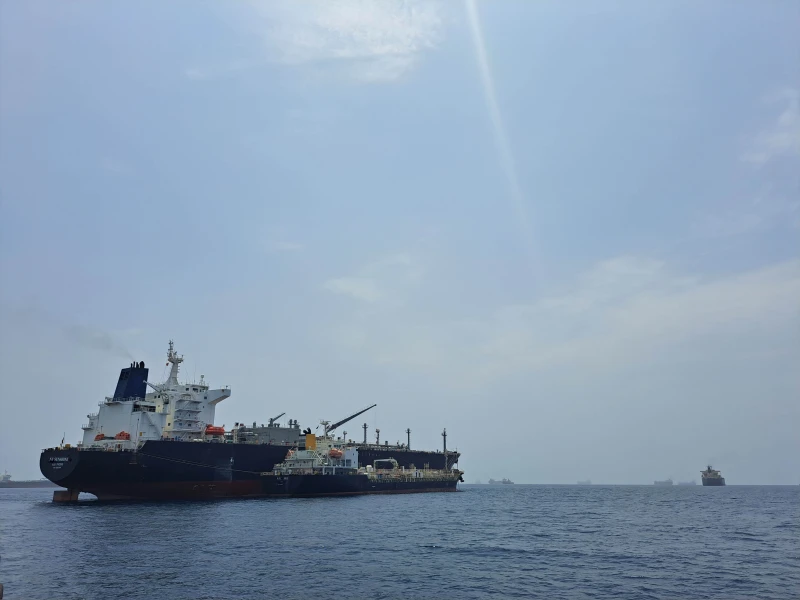
Iran closed the Strait after US-Israeli strikes killed the top brass of Iran’s leadership, catapulting the region into a conflict that persists today. In response to Iranian restrictions on the Strait of Hormuz, the US imposed a blockade of Iranian ports and levied additional sanctions in a bid to prevent Iran's oil export pathways.
Tehran and Washington have each insisted that they control oil exports through the vital waterway, seeking to deny the other access.
 Facebook
 LinkedIn
 Telegram
 X
X