ERBIL, Kurdistan Region of Iraq – Kurdistan Region President Nechirvan Barzani on Monday accused Iranian Kurdish opposition groups of behaving “irresponsibly” during the US-Israel war against Iran, noting that they had put the Region at “great risk” following reports, widely rejected by Kurdish authorities, of a potential cross border offensive in the early days of the conflict.
The Kurdistan Region, mainly the US-linked bases and Iranian Kurdish opposition groups, has been targeted by hundreds of drone and missile strikes since the outbreak of the US-Israeli war on Iran in February. Despite the warring parties having significantly wound down their attacks, the Region continues to be targeted.
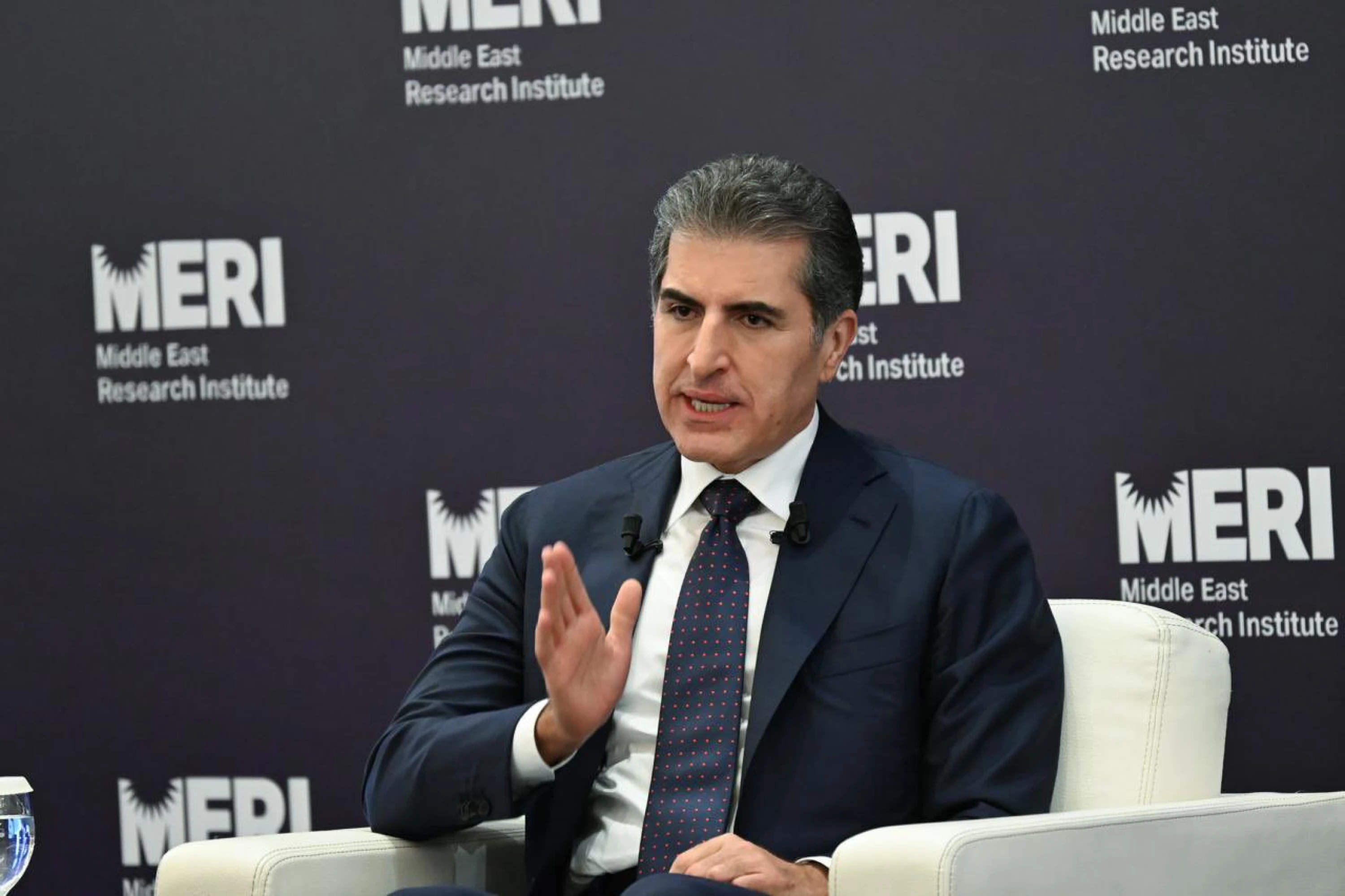
“Rojhelat’s [western Iran’s Kurdish region] opposition forces, unfortunately, behaved very irresponsibly,” Barzani said speaking at the Middle East Research Institute (MERI) Forum in Erbil.
The Iranian Kurdish opposition forces put the Kurdistan Region “in a very bad situation,” he said, adding that “what was done on social media, and what was being said, namely that these forces were declaring their entry into Iran, put the Region at very great risk.”
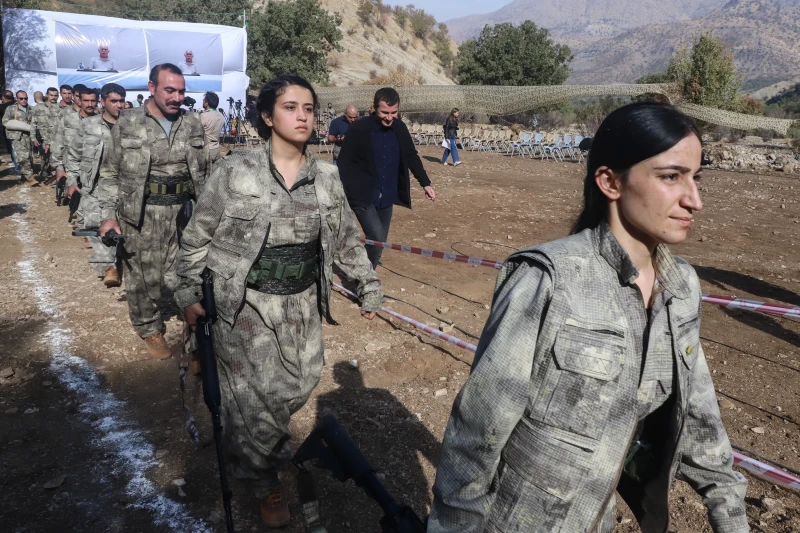
As the US-Israeli military campaign kicked off in late February, US and international media reported extensively that Iranian Kurdish dissidents in the Kurdistan Region were preparing to launch a ground invasion of Iran, prompting vociferous denials from Erbil that any such move would be allowed to take place and denials by the militant groups themselves.
The Kurdistan Region “cannot become a place from which Iran is threatened,” Barzani stressed.
“It is not acceptable for an armed force to be in the Kurdistan Region, to regard the Region as a safe place for itself, and to threaten its neighbor from the Region,” he said, noting that it contradicts international and regional norms.
The Kurdistan Region president also confirmed previous reporting by Axios stating that he had played a role in facilitating negotiations between Tehran and Washington.
Iran, most notably the Islamic Revolutionary Guard Corps (IRGC), repeatedly invoked the supposed cross-border offensive to legitimize its attacks on their positions in the Kurdistan Region, which has come under extensive Iranian bombardment for much of 2026.
Since the US-Israel war with Iran began in late February, US President Donald Trump has repeatedly voiced disappointment with “the Kurds,” without specifying which groups he was referring to, accusing them of keeping weapons that Washington had allegedly sent to the Kurds to arm the Iranian people against the government.
Trump’s accusations have been denied by the Kurdistan Regional Government (KRG) and ruling parties on separate occasions.
Additionally, Iranian Kurdish opposition groups have collectively rejected reports of having received any weapons from Washington.
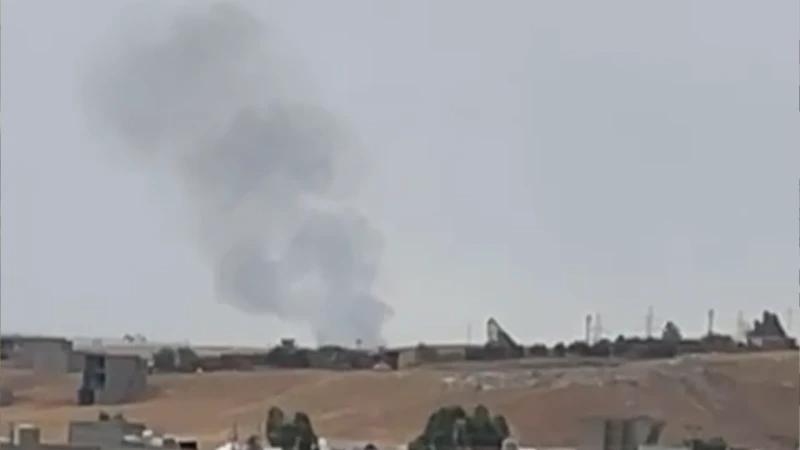
The developments came as two suspected Iranian drones struck a camp belonging to an Iranian Kurdish opposition group in Erbil’s Koya district on Monday, causing material damage and no casualties, an official from the group told The New Region.
The attacks come following the withdrawal of the US-led global coalition against the Islamic State (ISIS) from Iraq. Besides fighting ISIS, the coalition also played a key role in intercepting drones and missiles during the US-Iran war.
 Facebook
 LinkedIn
 Telegram
 X
X