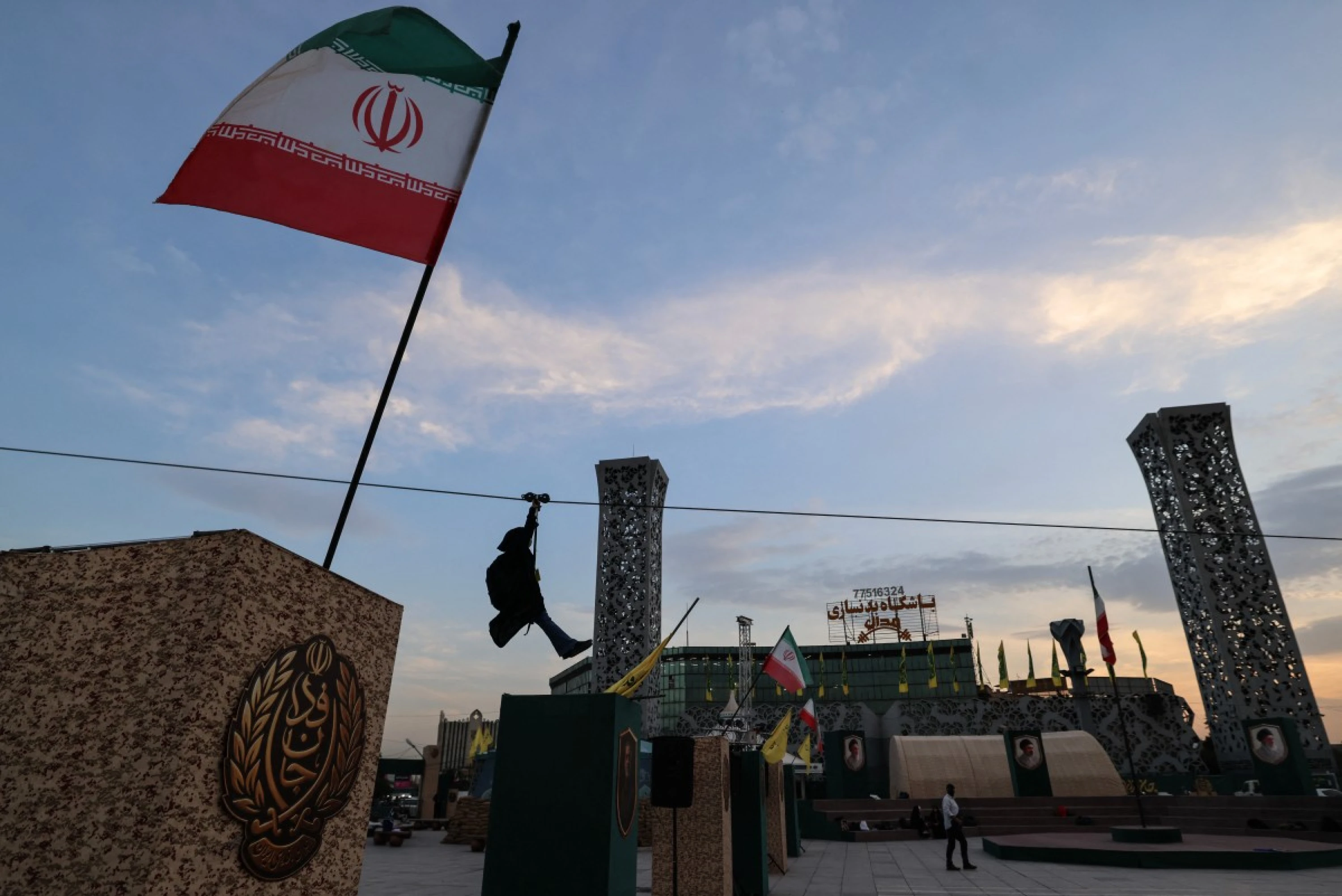
ERBIL, Kurdistan Region of Iraq – Iran’s Islamic Revolutionary Guard Corps (IRGC) said Wednesday that Tehran is ready to respond with “greater force” as the possibility of new US strikes remains “very real” before the end of the upcoming US midterm elections.
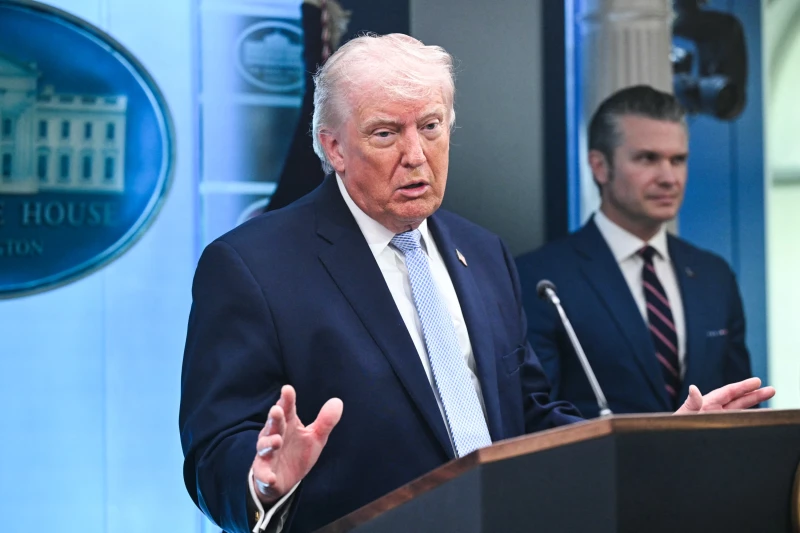
On Tuesday, US President Donald Trump said Washington “had it” with Iran during a rally in Alaska, adding that "wait to see what we do to Iran. We are gonna do a number.”
The comments came following unconfirmed reports and allegations of a possible renewed attack against Iran ahead of elections in Israel and the US, which are scheduled for mid-October and early November respectively.
“Although launching a new war against Iran would be irrational for the United States, the possibility remains very real, as the Trump administration needs a ‘win’ prior to the midterm elections,” IRGC spokesperson Hossein Mohebbi told state media on Wednesday.
“Iran is prepared to respond to any renewed aggression with greater force than ever before,” he said, adding that “the consequences for the United States would be far more painful.”
The IRGC spokesperson also claimed that Tehran has been producing more advanced weapons since the February war.
On Tuesday, Axios reported that Israeli Prime Minister Benjamin Netanyahu and Trump have spoken “a couple times” discussing a possible new operation against Iran ahead of the Israeli and US elections, citing four US and Israeli officials in general.
The US leader has allegedly responded with “go ahead and get ready” to Netanyahu.
Trump, however, had previously declared on Friday that "we will not be attacking Iran at any time prior to the Midterm Elections to be held in the United States on November 3rd," citing ongoing "productive discussions" with Tehran.
Iran closed the Strait of Hormuz after US-Israeli strikes killed the top brass of Iran’s leadership, catapulting the region into a conflict that persists today. In response to Iranian restrictions on the Strait of Hormuz, the US imposed a blockade of Iranian ports and levied additional sanctions in a bid to prevent Iran's oil export pathways.
On Sunday, Iran’s security chief Mohsen Rezaei said Washington had “accepted some” of Tehran’s conditions for ending the conflict, but “ambiguities remained,” warning the Strait of Hormuz would remain closed until the US meets Iran’s demands.
Tehran and Washington have each insisted that they control oil exports through the vital waterway, seeking to deny the other access.
In September, Iran said it would reopen the Strait of Hormuz within a week if Washington accepted Iran’s terms outlined in the June US-Iran memorandum of understanding. Trump subsequently rejected the plan, saying the US already had “total control” over the vital waterway.
 Facebook
 LinkedIn
 Telegram
 X
X