
ERBIL, Kurdistan Region of Iraq – Iraq’s Supreme Iraqi Maritime Authority on Tuesday inaugurated a Vessel Traffic Services (VTS) system to monitor ships in Iraqi territorial waters and regulate their entry and departure, as attacks on commercial vessels and disruptions to shipping continue in the Strait of Hormuz.
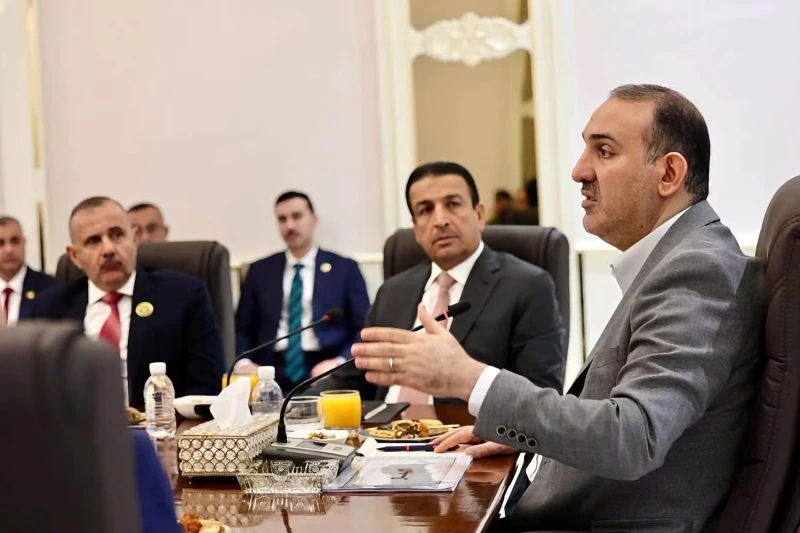
Ali al-Tamimi, director general of the authority, said the project follows directives from the transport ministry to develop the country’s technical and operational capabilities, improve vessel monitoring and tracking, and strengthen maritime security, the ministry said in a statement.
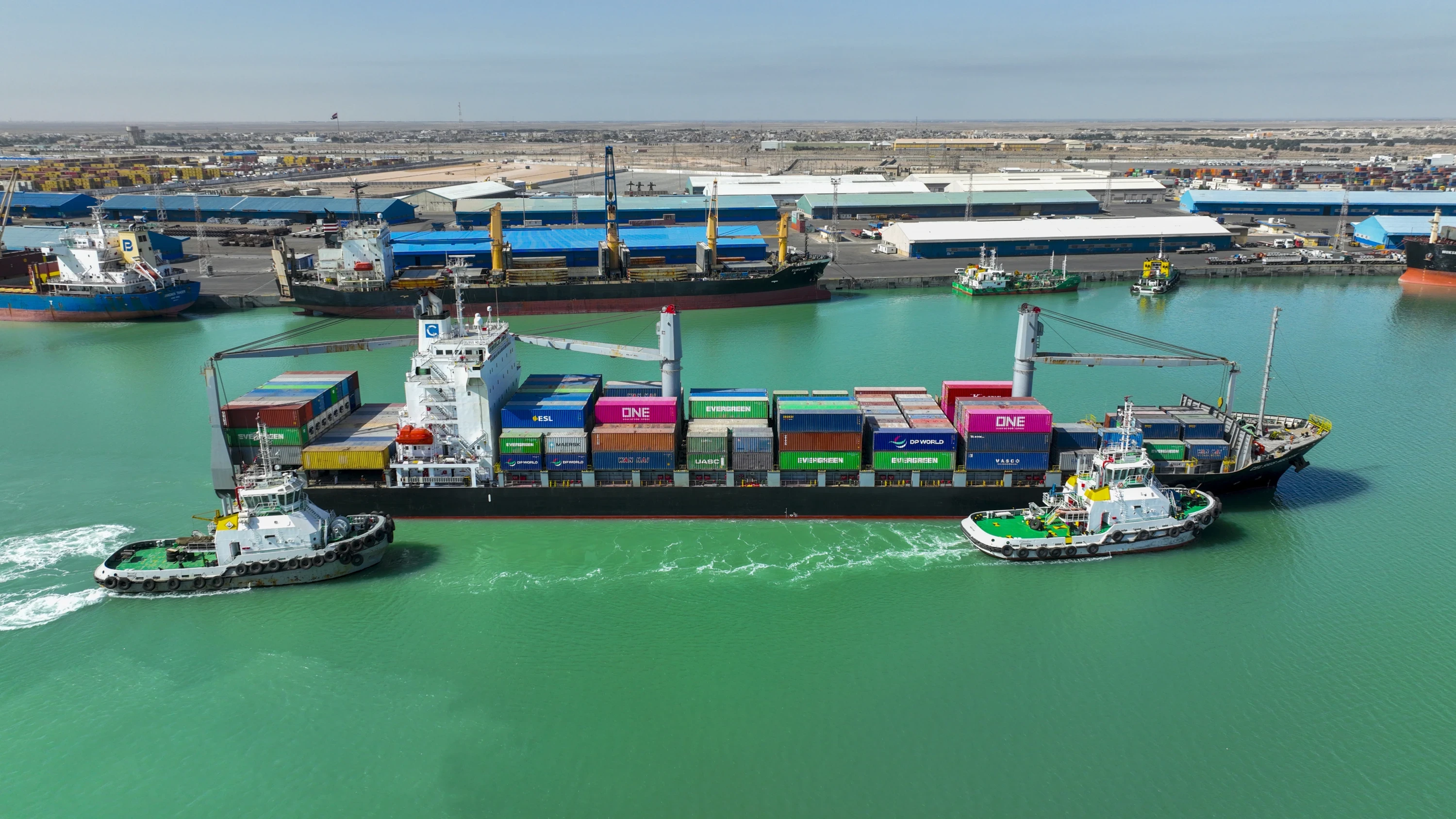
Tamimi said the system was particularly important given Iraq’s geographical position along the Shatt al-Arab and the Persian Gulf, as well as “the role of its ports in connecting the national economy to international markets.”
According to the transport ministry, the system is expected to help regulate vessel movements, improve navigational safety, reduce risks and illicit activities, and protect vital facilities and the marine environment. It will also support information exchange and regulatory procedures, improve the movement of commercial traffic, and create opportunities for investment in the maritime sector, the statement added.
The US-Iran war and the subsequent closure of the Strait of Hormuz have taken a significant toll on Iraq’s oil exports and economy, as the country ships much of its crude through the strategic waterway.
On Tuesday, Iran's Islamic Revolutionary Guard Corps (IRGC) claimed that two commercial vessels that were transiting the strait outside of the Iranian-approved routes were struck by waterborne mines, warning that "crossing the mined route is illegal and will only result in the destruction of the assets of the violators."
Oil tankers have been struck in Iraqi waters several times during 2026, including an incident in September in which the Panamanian-flagged New Andros was hit by a drone strike, resulting in no casualties.
Baghdad has sought alternative methods to alleviate difficulties in exporting oil through the blockaded strait.
Vessel Traffic Services typically use shore-based systems to monitor ships in designated waterways, provide navigational information and warnings, and alert vessels to potential hazards.
Tamimi said the project “will keep pace with technical developments and international practices in vessel traffic management,” in line with applicable international laws and conventions.
 Facebook
 LinkedIn
 Telegram
 X