
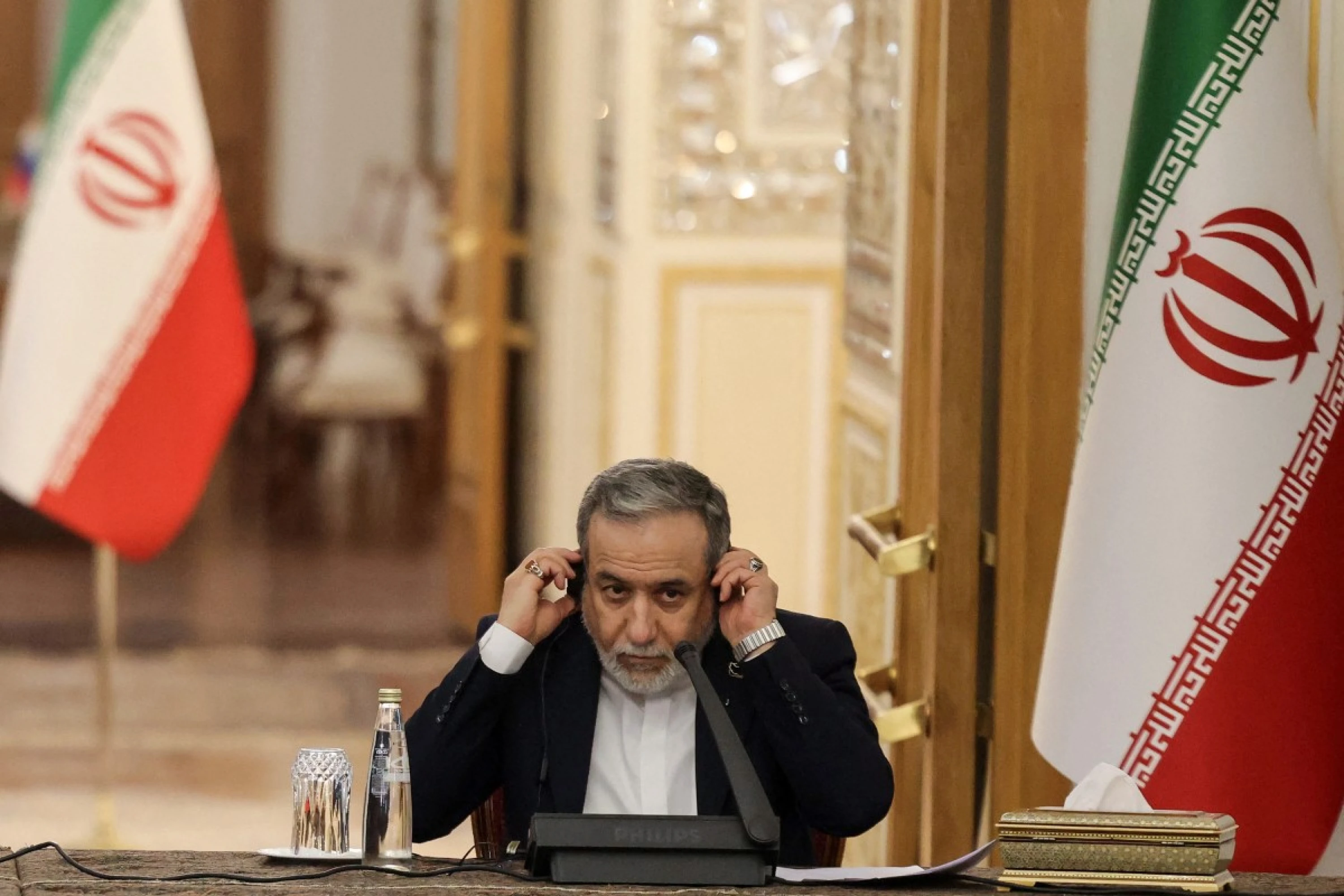
ERBIL, Kurdistan Region of Iraq – Iranian Foreign Minister Abbas Araghchi on Sunday said Tehran’s position remains the same amid increased threats of potential renewed strikes on the country.
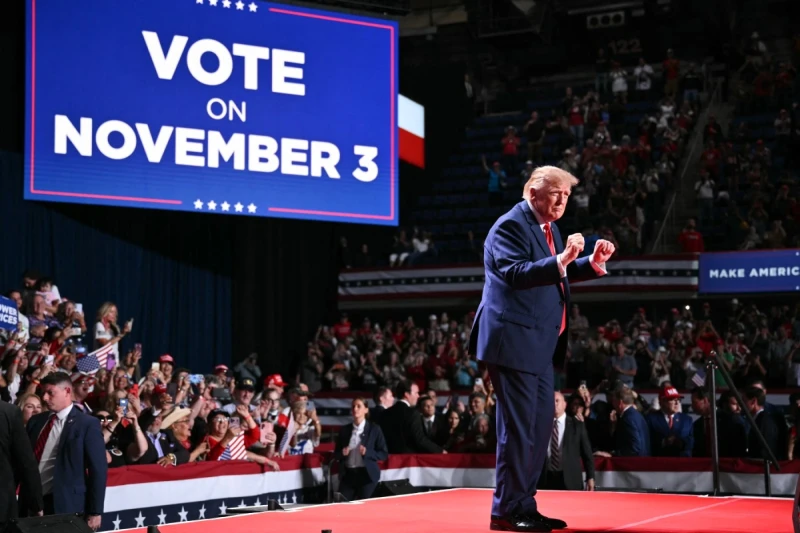
The comments come after increased threats of attacks on Iran by the US and Israel. “We may do another little Epic Fury,” US President Donald Trump told a rally in Florida on Friday, referring to the campaign in Iran on February 28.
“These days, there has been talk of a new war, but I am already thinking about what comes after the war. Whether there is war or not, our policies remain the same,” Araghchi said.
The US and Israel first targeted Iranian nuclear facilities and scientists as well as top brass military commanders in June 2025. Iran launched retaliatory strikes across the region during what was called the “12-Day War.” It ended temporarily in a shaky ceasefire.
War resumed with renewed strikes on Iran in February 2026. The warring sides reached a 14-point memorandum of understanding (MoU) in June to end hostilities and resume talks for 60 days. It collapsed only 21 days later after the US Central Command accused Iran of striking a ship in the Strait of Hormuz.
“If any rationality prevails, they will not attempt a military attack or aggression against the Iranian people again,” Araghchi said.
“They have tried this twice and have seen the results. Should they attempt it once more, they know full well that the result will be no different from what they experienced in the past.”
The Strait of Hormuz is a key waterway where roughly 20 percent of the world’s oil is transported. Iran has shut it since late February as a means in its war against the US and Israel, sharply driving up oil prices. The US has also imposed a naval blockade on Iran’s ports.
A key US demand in the MoU was free navigation in the strait, while Iran’s were a stop to the war on all fronts, lifting sanctions, and post-war reconstruction.
Despite Iran and the US not trading salvos, strikes in the Strait of Hormuz have resumed against commercial shipping.
Iran’s Islamic Revolutionary Guard Corps (IRGC)-affiliated Tasnim news agency on Saturday cited an informed source as saying that Tehran has not submitted any new proposals to Washington.
The source said Iran remains set on its plan to open the strait within a week, once all of its demands are met.
 Facebook
 LinkedIn
 Telegram
 X