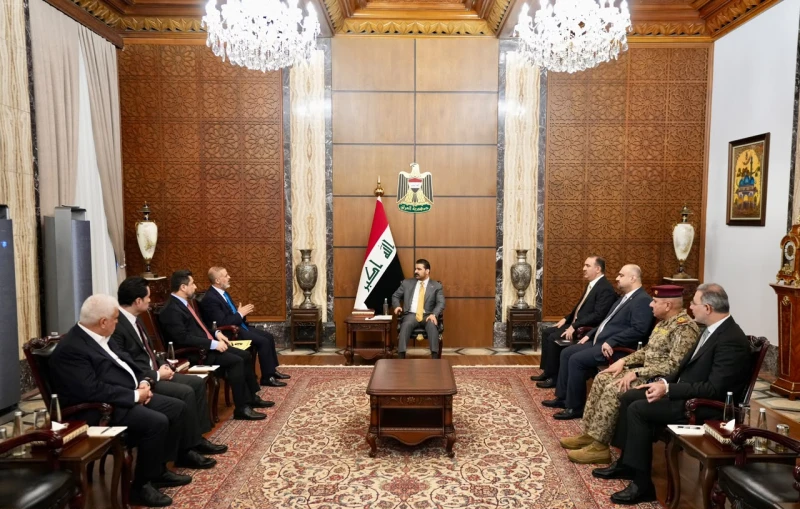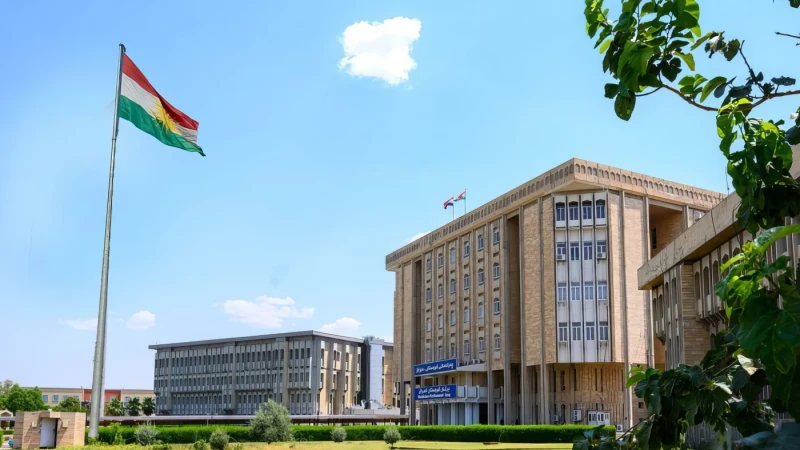
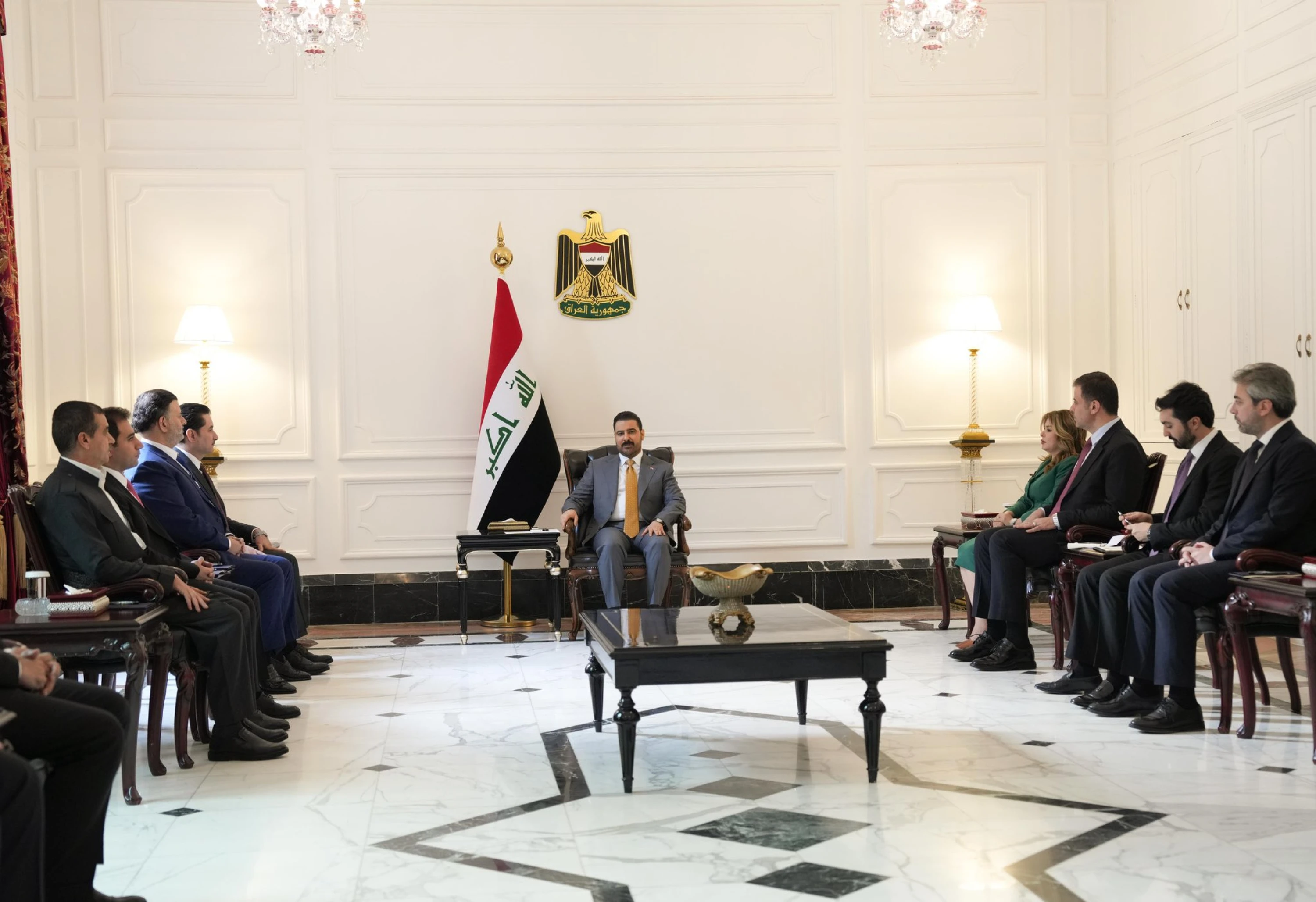
ERBIL, Kurdistan Region of Iraq - Iraqi Prime Minister Ali al-Zaidi on Tuesday held a meeting with Kurdistan Democratic Party (KDP) lawmakers in Baghdad to discuss Iraq's upcoming 2027 budget draft that has faced stiff opposition from the Kurdistan Regional Government (KRG) in its current form.
"During the meeting, the two sides discussed several issues of mutual concern—most notably the provision of public services and the relationship between the federal government and the [KRG]—as well as specific provisions within the draft federal general budget law for 2027," read a statement from Zaidi's office on his meeting with representatives of the KDP bloc in the Iraqi parliament.
A major point of contention in the proposed budget has been the Kurdistan Region’s share, with the initial draft allocating 12.68 percent of funds to Erbil despite the Region comprising 14.14 percent of the Iraqi population, as per the most recent census figures. The discrepancy arises from a calculation mechanism used by Baghdad that excludes residents whose previous residence was outside the Kurdistan Region.
The budget draft is set to be presented to the legislature in mid-November, Uday Awad, the head of the Iraqi parliament’s finance committee, said in late October, coming after it was reportedly returned to the finance ministry by the Iraqi Council of Ministers for revision.
During the Tuesday meeting, Zaidi "reaffirmed the government’s commitment to securing the salaries of public sector employees in the Kurdistan Region—ensuring they are treated on par with their counterparts in other ministries and provinces," with Baghdad's failure to disburse public salaries for the Region's civil servants on time having long been a point of contention between the two governments.
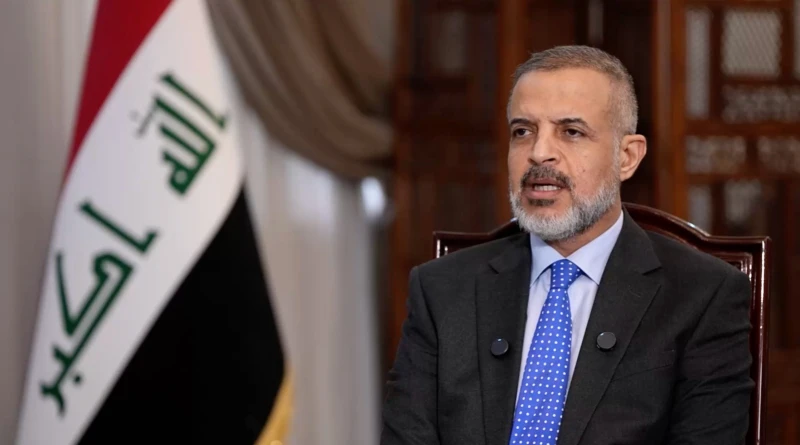
Shakhawan Abdullah, the head of the KDP parliamentary bloc in Baghdad, told The New Region that the meeting also saw Zaidi agree to increase electricity supply to Kirkuk by an additional 150 megawatts, with the premier's office on Tuesday affirming that Zaidi "directed an increase in Kirkuk’s share of electrical power to better meet the needs of the population and improve supply hours."
"We represented the people of Kirkuk to convey their rights and demands," said Abdullah, coming on the back of days-long protests in Kirkuk after electricity prices from private generators were hiked.
 Facebook
 LinkedIn
 Telegram
 X