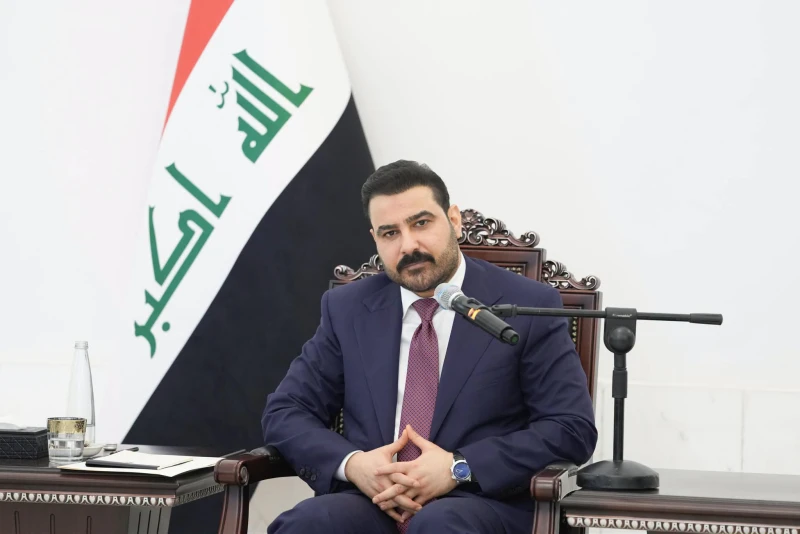

ERBIL, Kurdistan Region of Iraq - The spokesperson for Iraqi Prime Minister Ali al-Zaidi on Tuesday said that Baghdad will work alongside Erbil to bring the perpetrators of a recent attack on the Khor Mor gas field to justice, noting that efforts to acquire air defense systems are ongoing and the areas of responsibility for security services are being assessed.
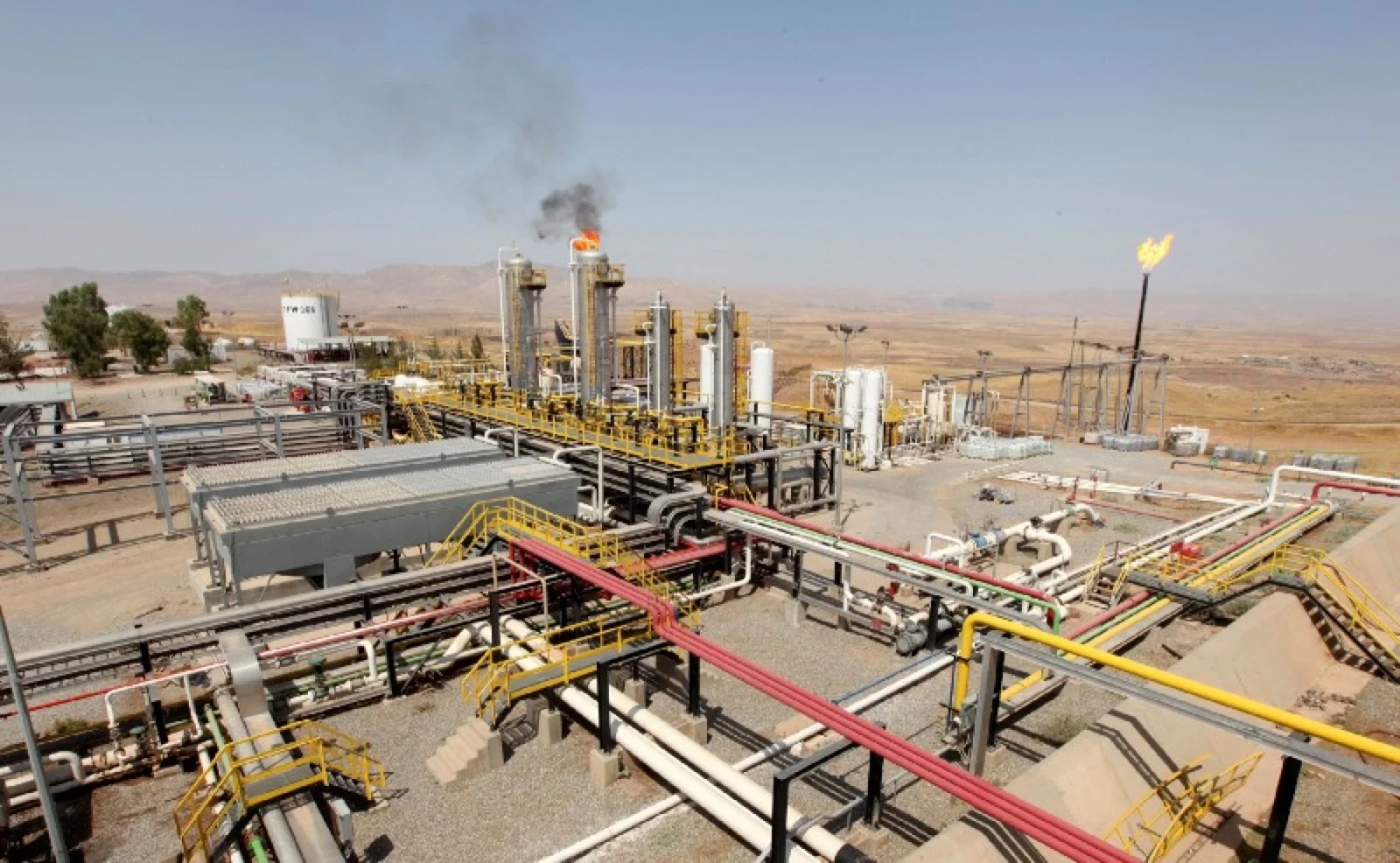
Khor Mor, the Kurdistan Region’s largest gas field, was targeted late Sunday in what its operator, the UAE-based Dana Gas, termed a suspected drone attack.
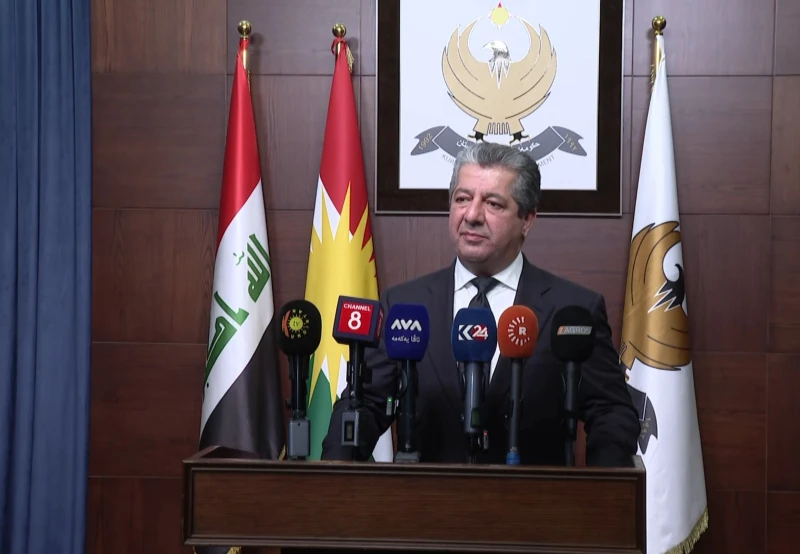
Zaidi subsequently formed an investigative committee to ascertain details of the attack, with Kurdistan Region Prime Minister Masrour Barzani on Monday affirming that the pair "have agreed that these attacks must not be repeated" and that the federal government and Kurdistan Regional Government (KRG) will "assist each other" with prevention efforts.
Speaking to Iraqi state media on Tuesday, Sabah al-Numan, spokesperson for the Iraqi commander-in-chief, stressed that "the committee's work was preceded by identifying the source of this threat and identifying the parties involved," affirming that it "will reach the perpetrators and bring them to justice."
Numan also noted that the security arrangements at strategic sites such as Khor Mor are being assessed by the relevant ministries and that it is "possible that they will work on changing" the division of sectors.
"There is great importance in strengthening security and stability in vital areas and facilities," he added, noting that the Kurdistan Region "also has a share in this matter."
"There is also the government’s ongoing endeavor to provide the air defense forces with modern air defense systems, modern radars, and also equipment to counter indirect attacks."
The withdrawal of the US-led coalition in late September saw the removal of foreign air defense systems in the Kurdistan Region, which had proved invaluable in intercepting incoming Iranian missile and drone strikes during the US-Israeli war on Iran earlier in the year.
Khor Mor was also repeatedly targeted during the conflict, resulting in staff evacuations and multiple instances of a temporary cessation of operations at the site.
"The only important point for us is acquiring air defenses, which is where we will need more help from our allies and talks are ongoing with the federal government," Prime Minister Barzani said in October.
Similarly, Baghdad has ramped up procurement of such systems, having previously acquired French-made Thales radars and recently ordering additional French and Turkish air defense apparatuses.
Iraq has also courted other countries, such as South Korea, for air defense systems. In 2024, the country placed an order for eight KM-SAM batteries, a system that made its combat debut in the UAE in March to intercept Iranian drones and missiles.
In early September, Iraqi defense ministry spokesperson Yahya Rasool, told state media that Zaidi has directed that the timeframe for developing the air defense systems be shortened from six years to three years.
 Facebook
 LinkedIn
 Telegram
 X