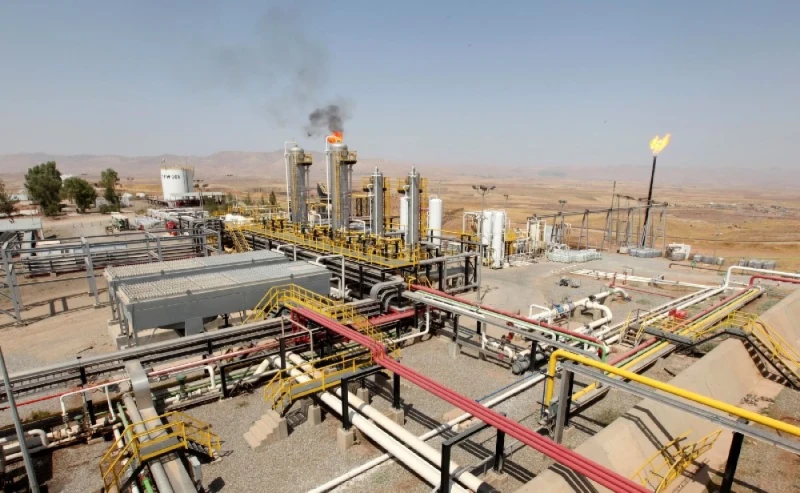

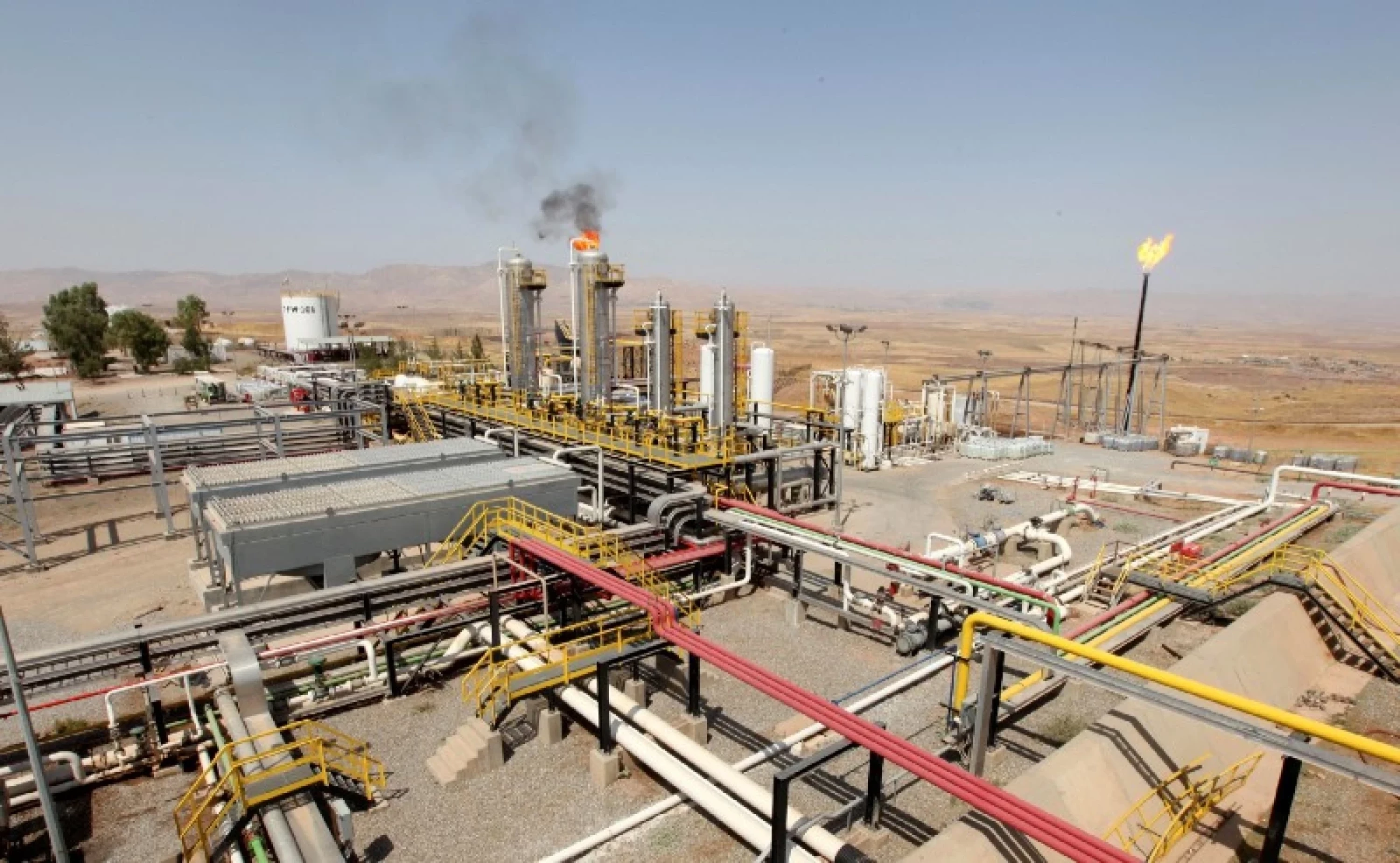
ERBIL, Kurdistan Region of Iraq – Delegations from Erbil and Baghdad are set to meet with the UAE-based Dana Gas on Monday to discuss the resumption of gas production at Sulaimani’s Khor Mor gas field, after an attack halted production at the strategic field earlier in November.
The Khor Mor gas field was targeted on November 8, in what its operator Dana Gas described as a drone strike. Dana Gas promptly stopped gas production at the facility, saying it suffered “great damage.”
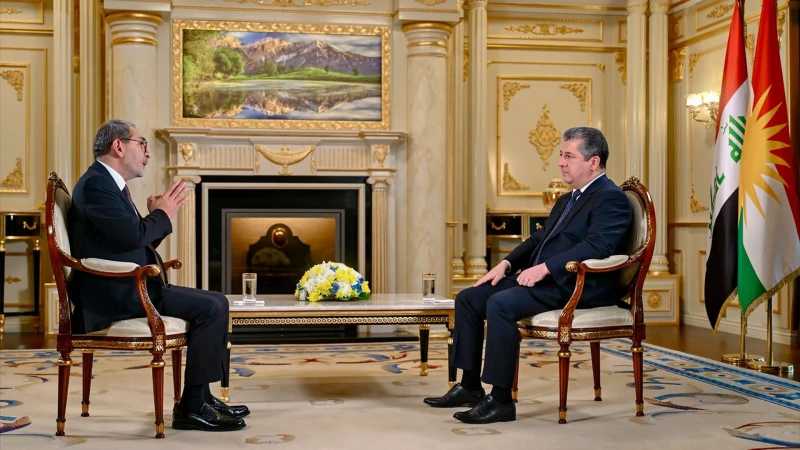
According to information obtained by The New Region, a delegation from the Kurdistan Regional Government’s (KRG) natural resources ministry is set to meet with the UAE-based firm, to demand the resumption of gas production at the site and supplying it to power plants. The meeting is also set to be attended by a delegation from the Iraqi government’s oil ministry.
Meanwhile, Dana Gas’ is expected to insist on the provision of security guarantees to ensure similar attacks will not reoccur in the future.
In the case of an agreement on Monday, a specialized Turkish company would begin repairs, a process estimated to take six days, The New Region has learned.
The strike on Khor Mor drew the vehement condemnation of both Erbil and Baghdad.
Kurdistan Region Prime Minister Masrour Barzani and Iraqi Prime Minister Ali al-Zaidi both agreed during a meeting earlier in November that “these attacks must not be repeated,” and both governments will “assist each other” with prevention efforts.
Investigations into the attack are still ongoing to identify the perpetrators.
Earlier in November, Zaidi directed the investigation to be completed “as soon as possible,” stressing the need to hold the responsible parties accountable.
Khor Mor has come under repeated attacks, forcing staff evacuations and halting production. During the US-Iran war, numerous drone and missile strikes by Iran and Iraqi pro-Iran armed groups targeted civilian and energy infrastructure across the Kurdistan Region.
The withdrawal of the US-led coalition in late September saw the removal of foreign air defense systems in the Kurdistan Region, which had proved invaluable in intercepting incoming Iranian missile and drone strikes during the US-Israeli war on Iran earlier in the year.
Sabah al-Numan, Zaidi’s military spokesperson, said there is ongoing effort by Baghdad to “provide the air defense forces with modern air defense systems, modern radars, and also equipment to counter indirect attacks.”
 Facebook
 LinkedIn
 Telegram
 X