
ERBIL, Kurdistan Region of Iraq – Baghdad must refrain from taking “unilateral decisions” and abide by the constitution to resolve disputes with Erbil, a joint statement from the two ruling Kurdish parties said on Tuesday, amid efforts by the Iraqi government to expand control in the Kurdistan Region.
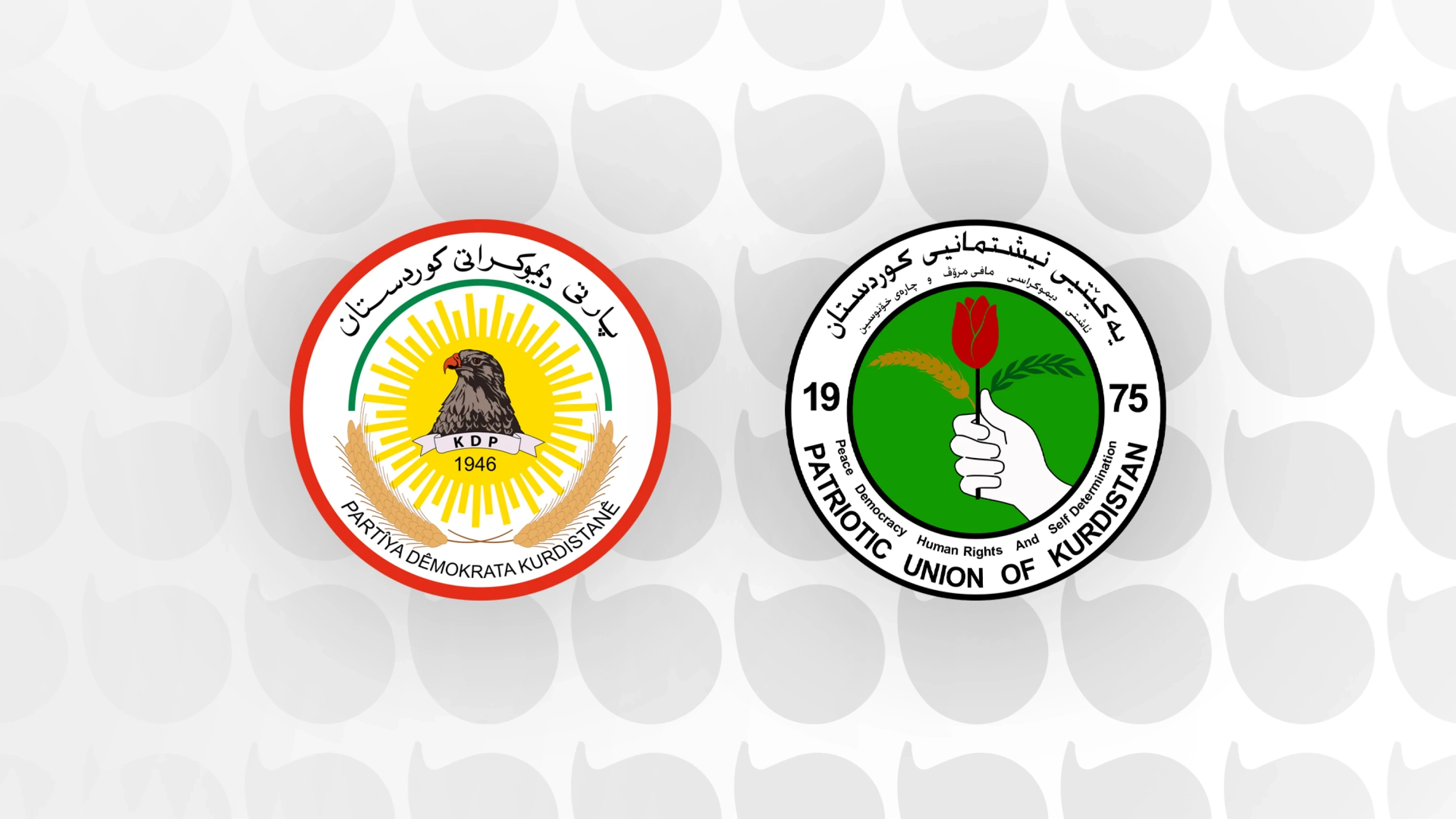
“We stress that all parties must be bound by the constitution, and that if any dispute arises between the Kurdistan Region and the federal government, the constitution bust be the arbiter between them,” the Kurdistan Democratic Party (KDP) and the Patriotic Union of Kurdistan (PUK) said in a joint statement.
The parties called on Baghdad to avoid taking “unilateral decisions,” saying such moves “do not serve Iraq’s security and stability.”
Iraqi Prime Minister Ali al-Zaidi on Tuesday directed Iraqi security forces to enter the Kurdistan Region and set up checkpoints across the Region’s provinces, and instructed Iraq’s Border Ports Authority to take control of the Region’s border crossings.
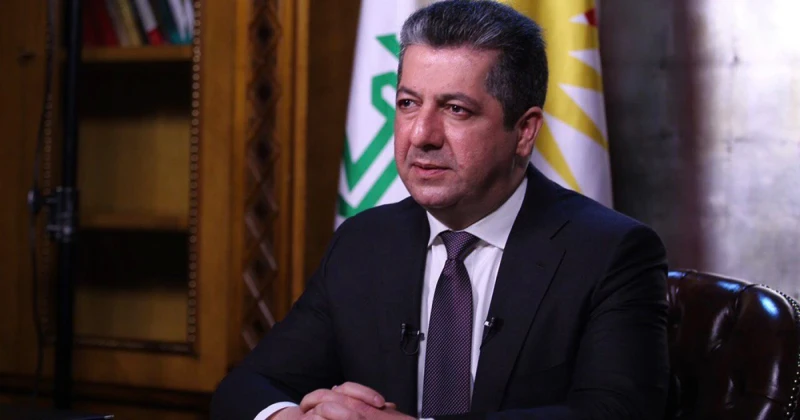
Kurdistan Region Prime Minister Masrour Barzani, in response, said that Zaidi’s instructions came without prior coordination with Erbil and that the Iraqi premier’s statement “contradicts the content of the discussions that we have had with Baghdad authorities.”
In the joint statement, the KDP and PUK further lamented that Zaidi’s directives “are unexpected and a source of great shock to the citizens of the Kurdistan Region.”
“Any other measure or decision against the Kurdistan Region, outside the constitution, is unconstitutional,” the parties stressed.
“The Kurdistan Region is the product of the long struggle and blood of the people of Kurdistan, and any violation of its rights and achievements is a red line,” the KDP and PUK stressed.
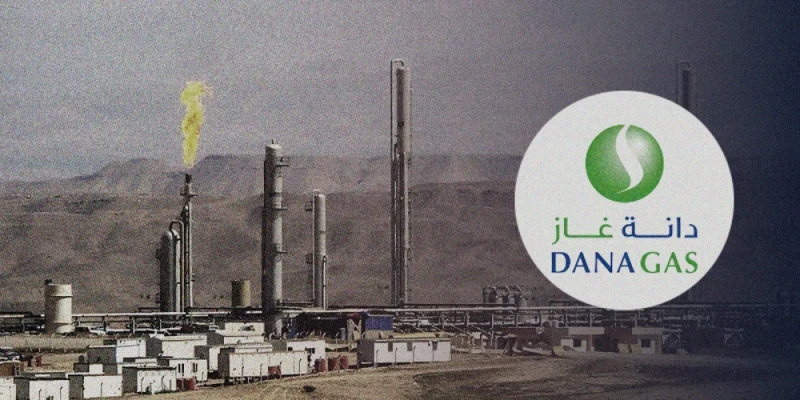
Zaidi’s directives additionally include assuming control of the oil fields in disputed areas held by the Kurdistan Region, closing all unofficial crossings between the Region and neighboring countries, and closing all informal routes between federal and Kurdistan provinces.
The directive also tasks the engineering team at Zaidi’s office with “preparing designated areas at the entry checkpoints for Sulaimani, Erbil, and Duhok. These areas will host personnel from the Ministry of Oil, the Energy Police, and the National Security Service,” according to the statement from Numan.
Budget allocations, public sector salaries, domestic revenues, oil exports, and the implementation of the ASYCUDA customs system in the Kurdistan Region’s border crossings have remained a major point of contention between Erbil and Baghdad for several years.
Speaking to The New Region, Prime Minister Barzani said that Kurdish authorities "are willing and ready to cooperate" with both the Iraqi federal government and oil companies to ensure that the Region's natural resources are used "for the benefit of the entire population."
Baghdad's demand that all customs revenues be transferred to the federal treasury before a portion is returned to the Kurdistan Region has been a major sticking point in securing an agreement between the two sides and still continues to present a challenge.
Erbil has proposed instead to split the revenues upon entry, with Baghdad's and Erbil’s shares directly deposited into their respective accounts.
 Facebook
 LinkedIn
 Telegram
 X