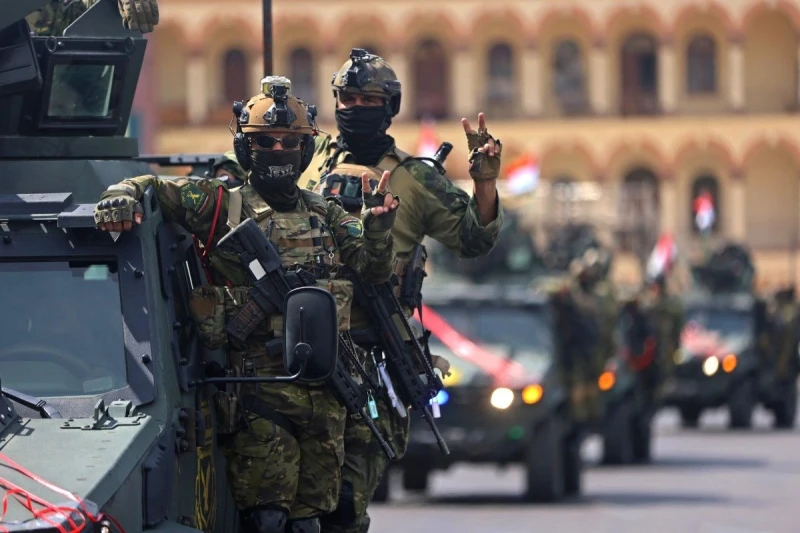
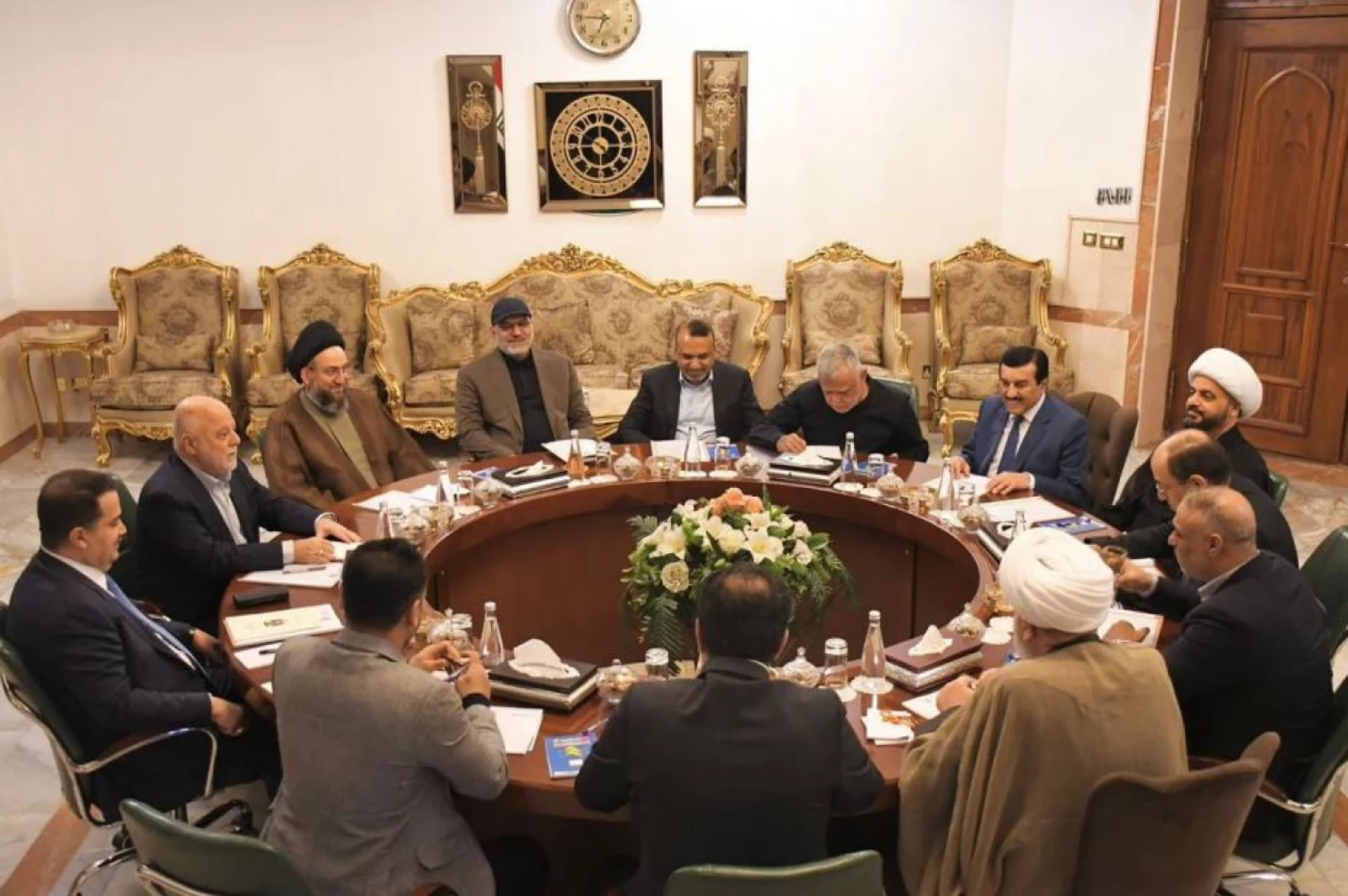
All the fast-moving events in Iraq during the past months clearly show that the real crisis is happening inside the Shiite Coordination Framework before it becomes a crisis for Iraq as a whole.
This crisis is about the need for the forces inside the Framework to respond to current regional and international changes, because the old rules that once allowed these forces to dominate comfortably have now changed.
These new changes are calling for new forces in Iraq to step forward and take the lead. But the traditional forces, including the parties and groups that form the Coordination Framework, have worked strongly to block the arrival of anything new.
They are also unable to create a new political line from within themselves that could be pushed to the front and used as protection from any negative consequences against them.
There is a lot of misleading talk that tries to limit Iraq’s current problem to an unrealistic idea: that Iraq needs to normalize with Israel so the United States would be pleased. But normalization alone does not move a country from one position to another.
Sudan is a clear example. The two sides fighting there today, wreaking havoc and destruction across the country, are both normalized with Israel. Many other normalized countries around the world are also suffering from failure or internal conflict, and neither Israel nor the US have come to their rescue. Normalization is not a magical solution to these problems. These issues come from internal crises within the country itself.
In the past, the problem of Shiite Islamic parties and movements was with the “other” inside the country, with other components and political groups. Now the problem has become between their own wings. It is clear that there are two Shiite wings: One that tends to take hardline positions or wants to keep the old arrangements that shaped Iraqi politics, and another that wants to respond to regional and international changes and protect Iraq from any meaningless confrontation that could push it back decades.
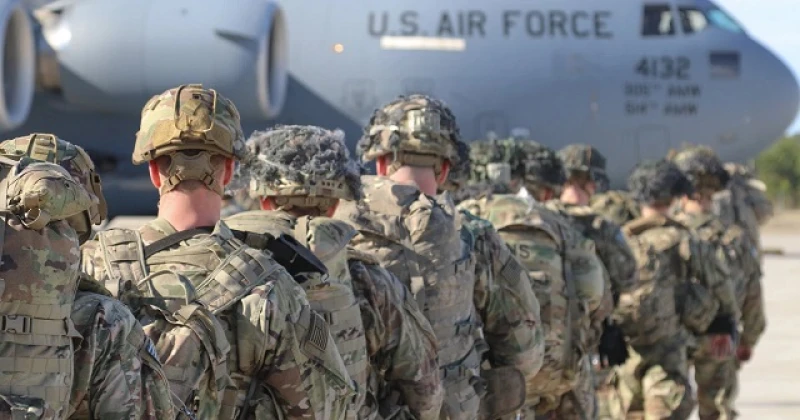
The US stood with all Shiite Islamic forces, both moderate and hardline, in the war against terrorism. It allowed Shiite militias to expand into Salahaddin, Mosul, and Anbar, and even allowed Iranian commanders to move freely in Iraqi territory, because there was one shared goal: Defeating the Islamic State (ISIS). During this time, Washington never showed any intention of changing the social structure of power or the democratic system in Baghdad.
Washington wanted only one thing from all Iraqi forces, whether that is Sunni, Shiite, or Kurdish: That no armed group should be allowed to attack American interests in Iraq, that Iraq should not become a hostile country to the US, and that it should not become a source of threat to neighboring countries friendly to the US.
The US did not oppose strong and productive relations between Iraq and Iran, and this is shown by the annual sanctions waiver it granted Iraq to buy Iranian gas. It also did not directly interfere in any commercial or economic agreements between the two sides.
The moderate wing inside the Framework understands this reality and acts accordingly. It knows that calming American concerns will not harm any strong relationship with Iran, as long as it is based on good neighborly relations and mutual respect between states.
But the hardline wing knows that strengthening this option would mean its end and the end of its interests and investments inside Iraq. In the past, circumstances allowed the moderate and hardline wings to exist side by side in the same system.
But the world after October 7 and the open Israeli-Iranian conflict has created new rules, and this coexistence is no longer possible.
The attack on the Khor Mor gas field, for example, or the leaking of the decision by the Committee for Freezing Terrorist Funds in the Official Gazette, are both rounds of confrontation between the hardline and moderate wings inside the Coordination Framework.
And it does not seem that circumstances will allow this tension to die down. Either the moderates will win and take Iraq to a new place, or a deep divide will open that will not only pull down the Coordination Framework, but the entire country.
The views expressed in this article are those of the writer and do not necessarily represent the position of The New Region's editorial team
 Facebook
 LinkedIn
 Telegram
 X
X