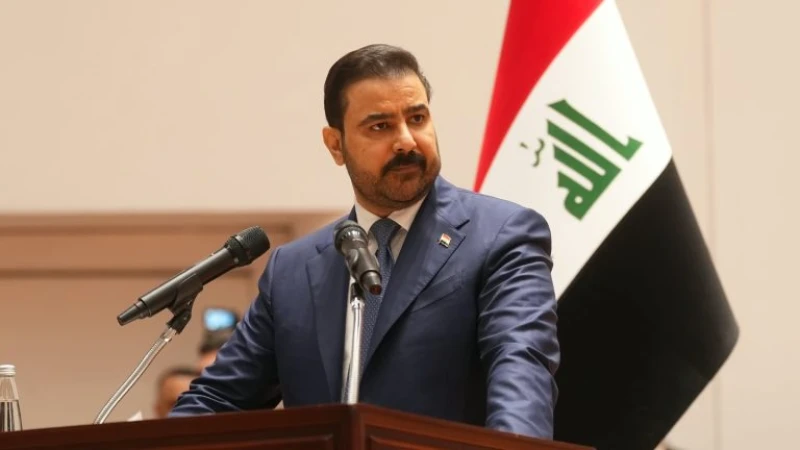
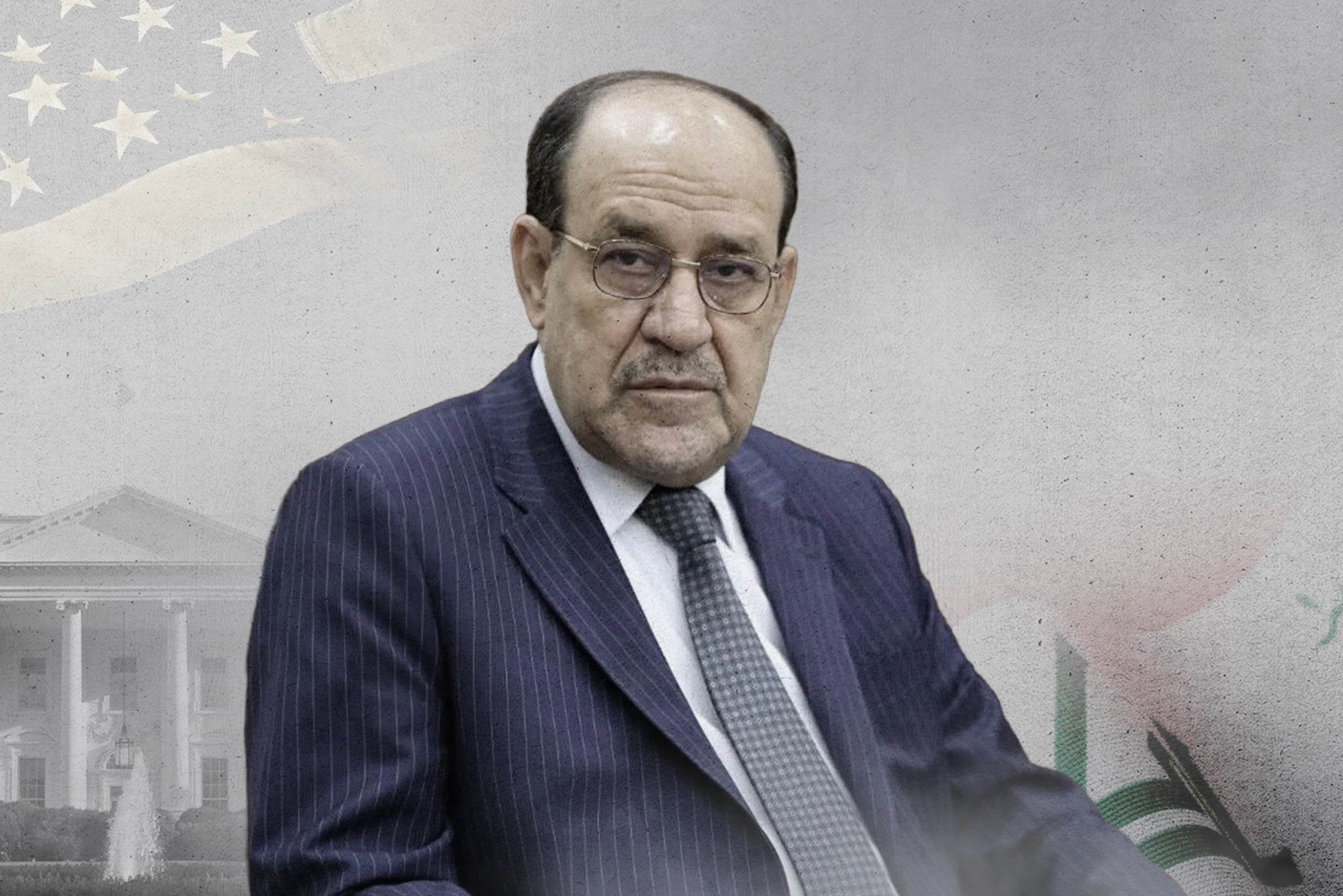
Nearly a month after US President Donald Trump’s January 27 unequivocal rejection of the nomination of Nouri al-Maliki for Iraq’s premiership by the country’s largest Shiite political bloc, the Coordination Framework, Iraq is still at loggerheads with the United States.
Maliki appears unconvinced that Washington really opposes him and tends to believe that if he stands his ground and sends the right signals to the US and some regional capitals, he will be able to dig his way out of the corner he has been placed in. But, for Washington, this is about more than Maliki’s premiership; it is about reclaiming Iraq from Iranian control in a much broader and deeper sense.
Maliki’s procrastination and refusal to give up his candidacy for the office of prime minister is understandable. He is perhaps the most strategic of the Shiite political class today, a veteran politician and one of the few remaining major figures of Shiite politics from the pre-Saddam opposition days. He is super ambitious and has been planning and scheming to return to the helm of Iraq ever since he was forced to leave office by Washington in the wake of the Islamic State’s takeover of large parts of Iraq in 2014.
However, he is now between a rock and a hard place.
Abandoning this chance at this advanced age means he will likely never be able to become prime minister again. And worse than all, leaving due to American pressure would be damaging to his reputation. It would appear as though he capitulated to US pressure.
The latter would not be just a blow to him but to the entire Shiite political class and neighboring Iran, as the main foreign patron of this class. It pokes a major hole in the Shiite-controlled Baghdad government’s claims of rebuilding a sovereign Iraq. And it demonstrates Iran’s inability to stand up to the US in Iraq if Washington really wanted to get its way on something.
Part of the reason Maliki is holding up so firmly, despite repeated calls from Washington for him to stand down since late January, is that he seems to believe that if the US and Iran manage to reach a deal on the latter’s nuclear program, that would provide an opening for him to press ahead as the Shiite top candidate for the prime minister position.
In that sense, he interprets Washington’s “no” to him as a possibly negotiable and changeable one. He might be well justified in thinking that way given that Washington’s Iraq policy for the past decade and a half has been largely an outgrowth of its policy toward Tehran. But as the specter of a war between America and Iran intensifies, Maliki’s hopes might be dashed on that front as well.
Long story short, there is a lot of pride to be swallowed here. And, as expected with such things, it will not be easy. Failure to meet the US demand for Maliki to step down and let another acceptable candidate become Iraq’s prime minister would likely unleash American wrath on Iraq.
For an Iraq at the weaker end of a rapidly evolving regional equation, standing up to Washington would have major consequences both in terms of economic prospects and eventually the security and survival of the post-2003 order as well. It would lead to major sanctions on Iraq’s government and financial institutions, as several senior Iraqi sources have by now relayed through the media.
That is a doomsday scenario for Iraq.
The bitter memories of the international sanctions imposed on Iraq between 1991 and 2003 due to Saddam Hussein’s invasion of Kuwait are still fresh among large segments of the Iraqi populace who experienced that hardship in their own flesh. And it would embolden certain actors, such as Sunni jihadi groups and even regional states, to seek to undermine Iraq and reset the clock back to a pre-2003 Sunni-dominated order. Hence, Maliki and the Shiite political class are in an unenviable position. They better resolve this in a way that would not cost Iraqis dearly. It’s no time for seeking to be a martyr.
What is happening in Iraq is much larger than just removing Maliki. This is the point that has to be understood. For Washington right now, the objective is to counter the Iranian political, military, and economic infrastructure of power and influence in Iraq.
Admittedly, with the benefit of hindsight, one could arguably say the biggest strategic mistake of Iraq’s Shiite political class was inching too close to Iran.
The ideological and adventurist nature of the regime in Tehran ought to have implications not just for its own survival but for Baghdad as well, by virtue of its deep embedding in Tehran’s regional infrastructure of power since 2011.
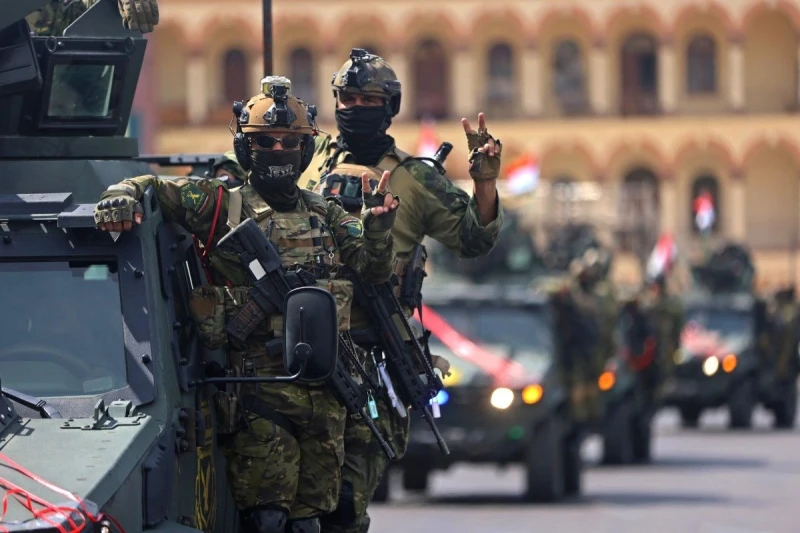
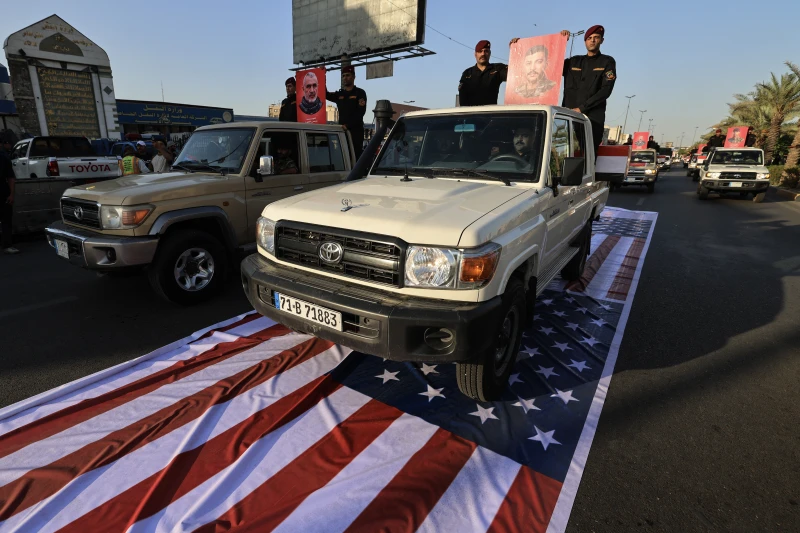
Yes, the Sunni insurgency and the regional states’ general shunning of Iraq, as well as the inconsistency of US policy over the years, all played a role in pushing Iraqi Shiites closer to Iran. But the emergence of the Iraqi Shiite armed factions beholden to Iran and at times attacking regional states and US troops at Iran’s behest ultimately entangled the Shiite political camp in Iraq so deeply with Tehran that any blow to Iran would have serious consequences for Iraq.
Now, the space for playing on both sides of the aisle—i.e., Iran and America—has shrunk so considerably that the game as usual can no longer continue for Shiite groups in Iraq. They can no longer facilitate Iranian influence in Iraq and the broader region while seeking some form of a productive and beneficial relationship with Washington too.
It is difficult to see Iraq post–Trump’s January 27 Truth Social post as being the same as before it. That post will likely be remembered as a decisive moment for the trajectory of the post-2003 political order in Iraq.
The best that Shiite political factions could do now would be to seek some distance from Tehran, nominate a fresh and fair-minded prime ministerial candidate, rebuild relations with the Kurdistan Regional Government (KRG) and Sunnis to strengthen the domestic front, use the opportunity to fold all factions of the Popular Mobilization Forces (PMF) into the ministries of defense and interior, and ensure relations with Washington will be amicable. Minus a deal between Washington and Tehran, time is not on Iraq’s side.
 Facebook
 LinkedIn
 Telegram
 X
X