ERBIL, Kurdistan Region of Iraq – Kirkuk Governor Rebwar Taha on Saturday urged Kurdish farmers to turn to the courts after Iraqi security forces allegedly prevented them from working on their agricultural lands near the disputed town of Pirde a day prior.
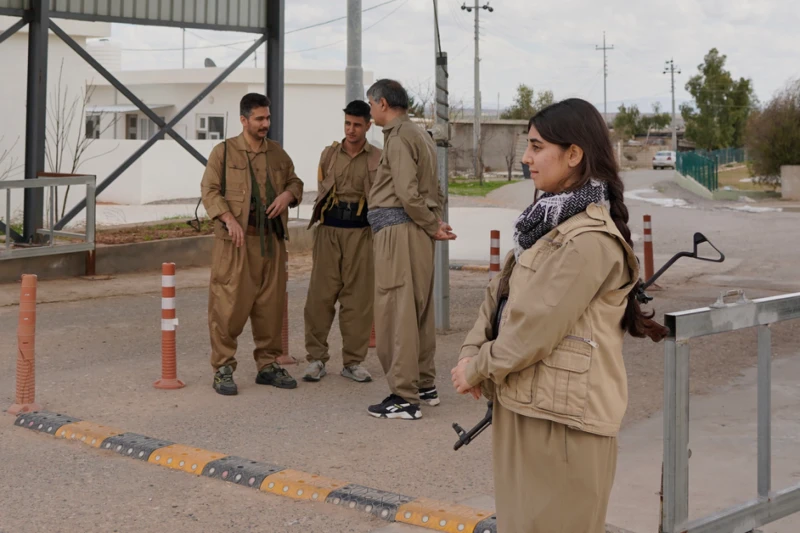
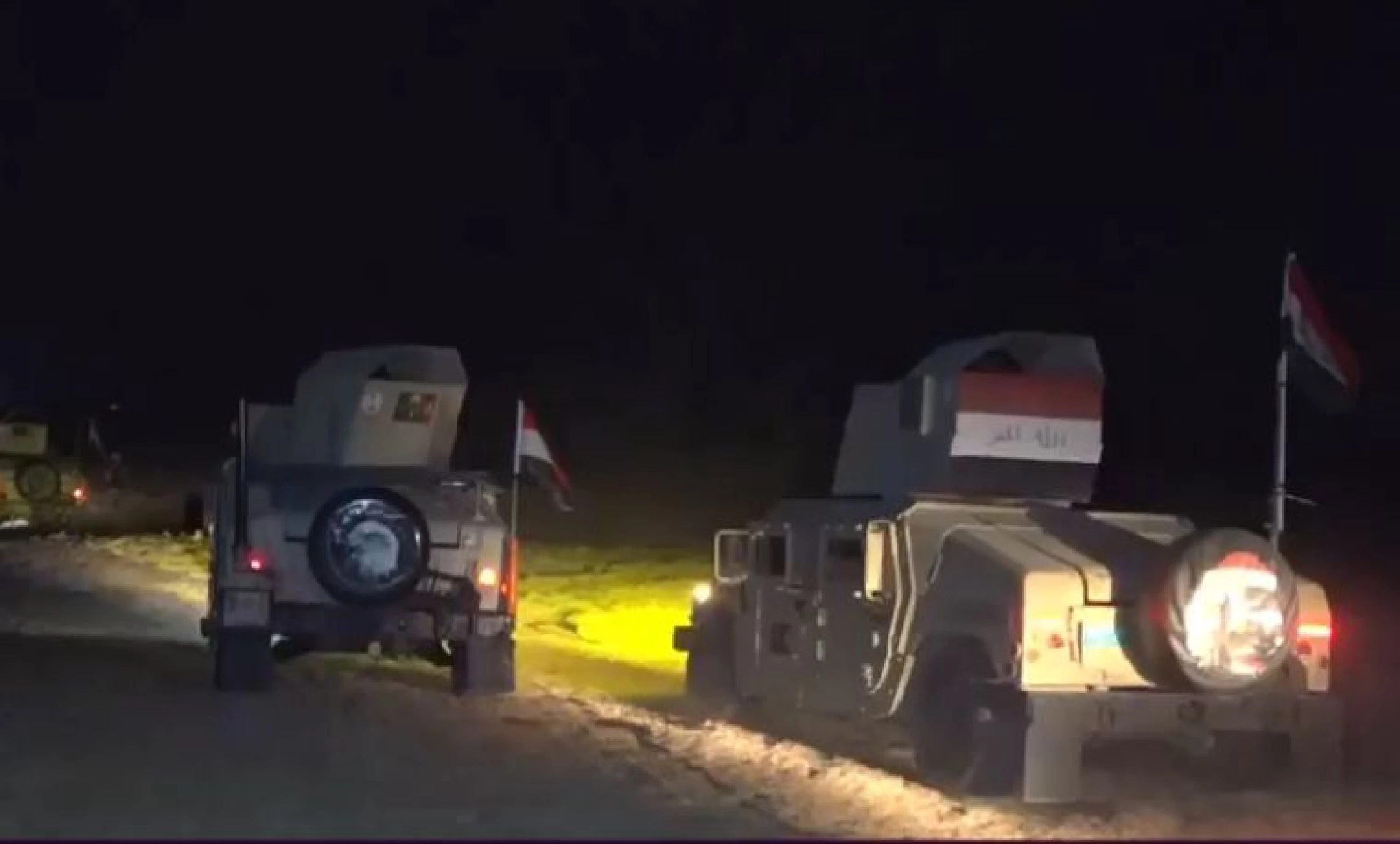
Kurdish farmers on Saturday gathered to protest after an Iraqi army convoy was deployed on their agricultural lands, measuring about 1,400 dunams, citing an ownership dispute with an Arab settler. The army prevented them from harvesting their crops until the court settles the case.
“The right belongs to the Kurdish farmers; the land originally belongs to them, but the Arab farmer had a deed for the land created for him during the Baath era,” Taha told The New Region.
The governor noted that while the lands originally belonged to the Kurds, they did not take the case to court on time. He requested the farmers “to trust us, to take the case to court, and we will defend them,” noting that similar cases have been resolved previously.
As for the harvesting process, Taha stated that “We have resolved the issue. The Kurdish farmers can harvest their crops in these two days,” adding that an order has been issued for the harvesting “within the next two days, the harvest will be completed.”
Kurdish farmers working in the disputed Kirkuk province have routinely faced judicial persecution and military interference due to ownership disputes stemming from confiscated lands during the Baath era’s Arabization efforts, spearheaded by former Iraqi leader Saddam Hussein.
Even after Hussein’s fall, Baghdad has failed to address the conflict concerning land ownership in the area, despite the existence of an article in the 2005 constitution to resolve land disputes.
Article 140 of the Iraqi Constitution mandates a process to outline a clear and definitive boundary in the disputed areas by introducing a referendum to determine the will of the residents living on the lands. The implementation of the article has been continuously delayed by the Iraqi government for two decades.
Rebwar Talabani, former head of Kirkuk’s provincial council, told The New Region that the tensions in Pirde are “expected” as “the constitution is violated.”
“Unfortunately, the Iraqi government doesn’t listen, doesn’t solve the problems with the constitution,” he said, asserting that “the same fate of the previous Iraqi governments will befall them.”
Meanwhile, Abdullah Mirwais, chairman of the agricultural and irrigation committee in Kirkuk, called on “all the Kurdistani parties, ministers, and politicians” to resort to law and “overturn that decision, because it is unjust.”
The Iraqi army has intensified its efforts to seize Kurdish properties in Kirkuk since federal forces occupied the disputed city in October 2017, following the Kurdistan Region’s independence referendum.
 Facebook
 LinkedIn
 Telegram
 X
X