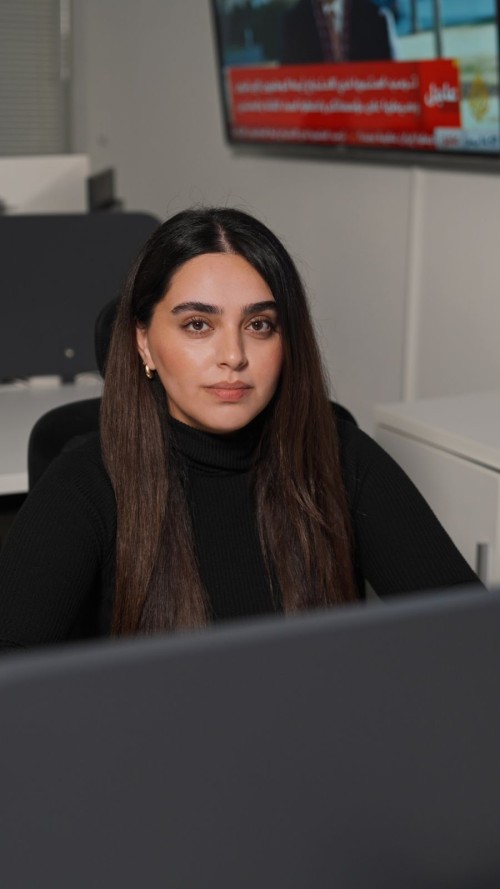

ERBIL, Kurdistan Region of Iraq – A well-known reporter from the Kurdistan Region has been detained for six days in western Iran’s (Rojhelat) Sardasht city while covering a cultural show, with camera operators and other staff held alongside him.
Omar Ahmed, known as Rasuka, is a reporter for AVA Media, the Kurdistan Region’s biggest media network, which has attracted a large audience in Kurdish-majority western Iran for its regional and international coverage.
Rasuka entered Iran on November 27 to cover the Halparke (Kurdish folk dance) Festival, receiving a warm welcome from locals, as he is widely known and admired by Kurds, especially in Rojhelat.
His work includes cultural programs at AVA Media. Originally from Qaladze in the Kurdistan Region’s Sulaimani province, Rasuka had traveled to Rojhelat to cover cultural shows starting in Mahabad, where AVA enjoys strong popularity.
The Oslo-based Hengaw Human Rights Organization reported on Sunday that Rasuka, along with four of his coworkers, was “arrested by the intelligence forces of the Islamic Revolutionary Guard Corps [IRGC] in Sardasht,” saying that his arrest was made “during the coverage of the second day” of a cultural festival in Sardasht.
Sardasht held its 11th Beyt and Heyran Festival on Tuesday, featuring artists from more than 20 provinces across Iran and showcasing ethnic folk music, instruments, and performances.
Hengaw added that the reasons for the detentions remain unclear, as Iranian authorities have not provided clarification on the arrest.
In an effort to prevent festivities in the country’s western Kurdish-populated areas, Iran has arrested dozens of Kurdish citizens, including minors, and threatened thousands more.
Iranian authorities strictly regulate Kurdish cultural practices and symbols, banning certain Kurdish slogans, songs, and traditional attire such as the jamaneh and khaki, even though the constitution permits the use of “regional and tribal languages” in the press and mass media.
Tehran also forbids the Kurdish folk dance, known as Halparke, which involves men and women dancing together while holding hands, a custom not accepted by the country’s political and religious leadership.
 Facebook
 LinkedIn
 Telegram
 X
X