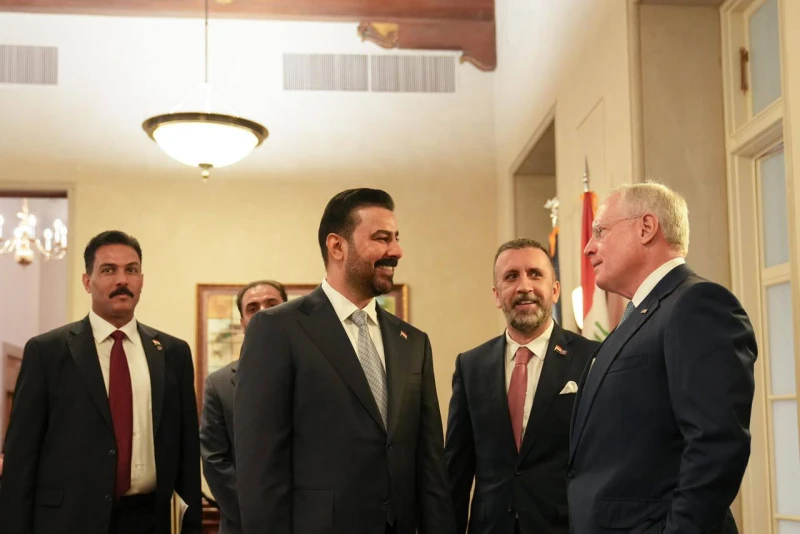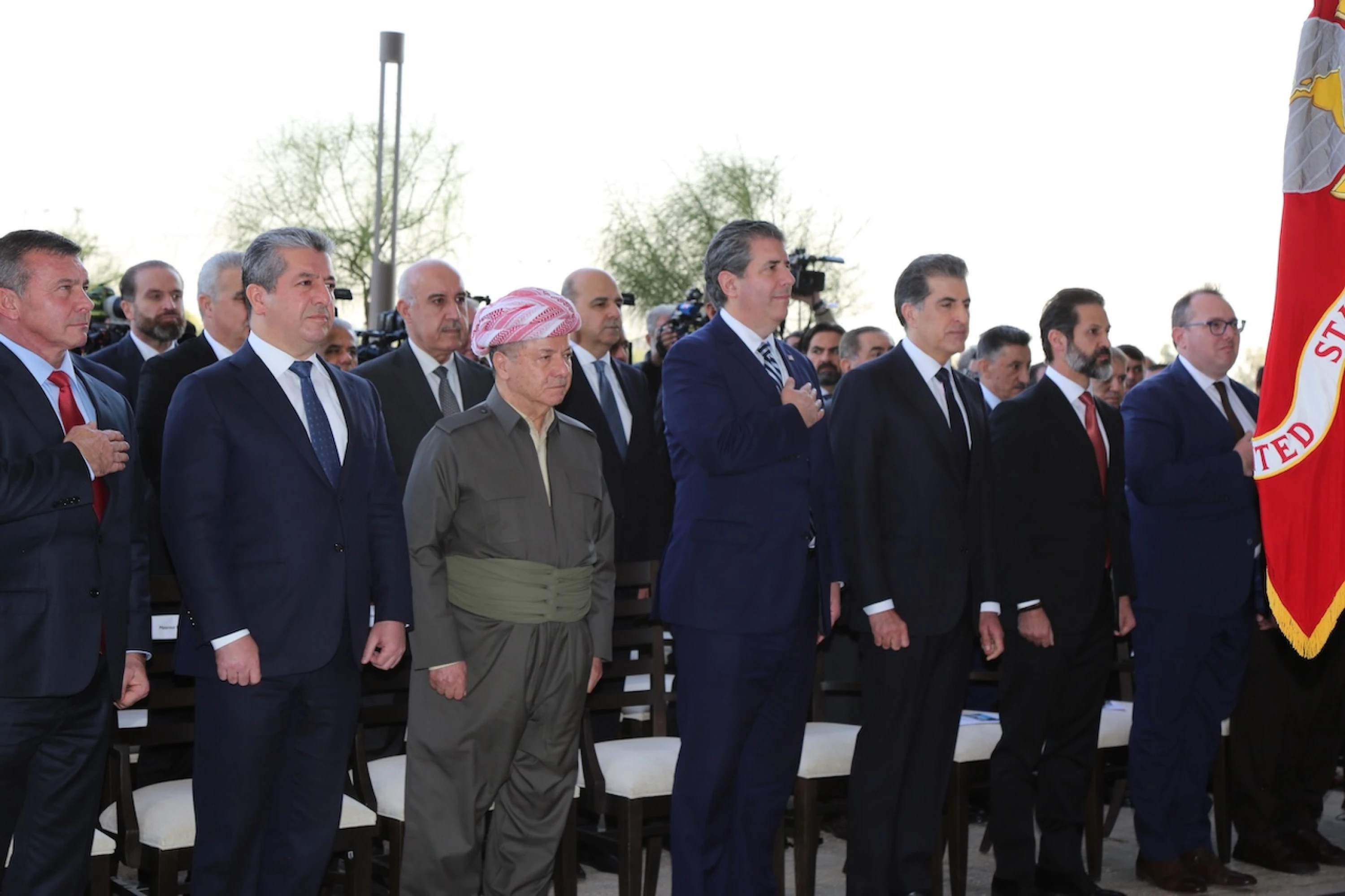
The opening of the new US Consulate General in Erbil, the largest American consulate in the world, marks a significant milestone in the longstanding partnership between the United States and the Kurdistan Region. Situated eight miles from Erbil’s historic city center, the compound is more than a building; it is a tangible representation of US commitment, a strategic hub for diplomacy, security, economic engagement, and cultural exchange, and a symbol of the enduring bonds between Washington and Erbil.
The Erbil consulate represents a continuation and deepening of a process that began with the US establishing a diplomatic presence in 2007 as a Regional Construction Team. Upgraded to a full consulate in 2011, the new compound signals that Washington sees the Kurdistan Region as a stable, semi-autonomous partner within Iraq, capable of supporting strategic and operational priorities in a complex regional environment. US officials emphasize that the investment is not temporary; it is intended as a long-term commitment that strengthens ties in multiple domains, from governance to security and economic Development.
During the 2018 foundation-stone ceremony, then-Prime Minister Nechirvan Barzani, now President of the Kurdistan Region, described the consulate as “a sign of US confidence and trust in the Kurdistan Region, now and in its future.” Incumbent Prime Minister Masrour Barzani echoed this sentiment, likening the building to “a mountain, a solid, unshakeable rock in Erbil,” reflecting the “old, strong bonds” between Erbil and Washington. Kurdish officials frame the consulate’s opening as a new phase in relations based on trust and joint cooperation, underscoring both the symbolic and practical significance of the project.
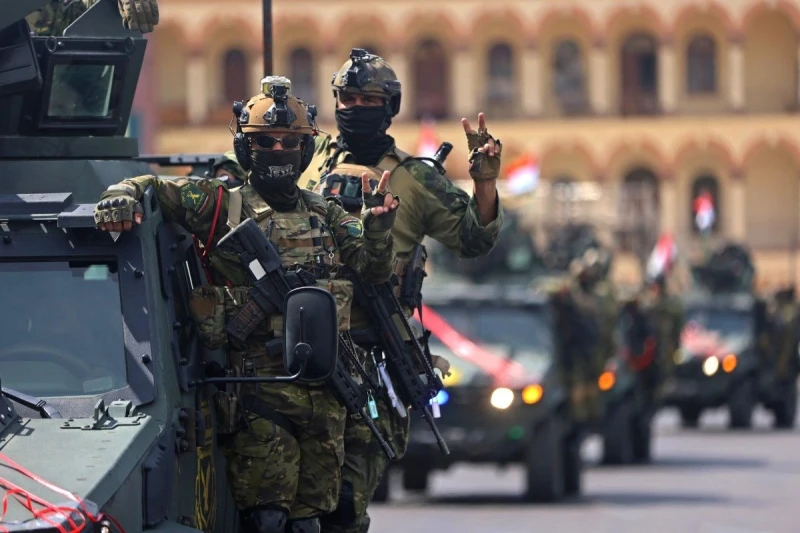
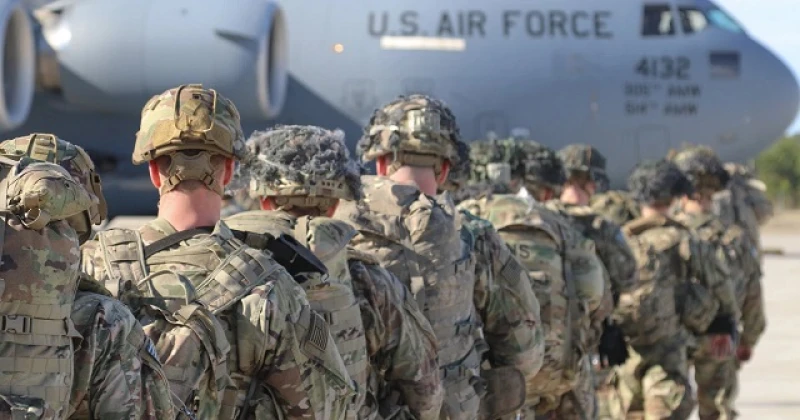
This strategic signal comes alongside a broader shift in US military posture across Iraq. Over the past several months, American forces have been reduced and redeployed from dispersed bases to secure hubs, with Erbil emerging as a key center for operations. While troop numbers may not have dramatically increased, consolidation demonstrates that Washington views the Kurdistan Region as a reliable, stable partner in a volatile landscape. The Region’s stability, governance structures, and historical cooperation with US forces make it an ideal hub for both military logistics and diplomatic engagement.
Yet symbolism alone is insufficient. To fully capitalize on the opportunities the new consulate presents, US–Kurdistan relations must deepen in concrete, practical ways:
Economic and development cooperation
The consulate has the potential to act as a strategic catalyst for US investment across critical sectors of the Kurdish economy, including energy, agriculture, minerals, and technological infrastructure. Leveraging the Kurdistan Regional Government’s (KRG) investment-friendly policies and historically cooperative stance toward Washington, US companies can play a pivotal role in boosting investor confidence and attracting wider international participation. By translating diplomatic presence into tangible economic outcomes, the consulate strengthens the US–Kurdistan partnership and positions it beyond a relationship defined primarily by security cooperation, offering concrete, long-term benefits for both parties.
Support for good governance and democracy
Beyond investment, US engagement can strengthen institutional resilience in the Kurdistan Region by fostering dialogue, providing technical support, and facilitating programs that promote transparency, accountability, and civic participation. The consulate offers a platform to connect Kurdish institutions with international expertise, support civil society initiatives, and encourage governance practices aligned with democratic norms. Such engagement reinforces the KRG’s credibility while enhancing its capacity to manage domestic and regional challenges, consistent with Washington’s broader mission to promote resilient democracy and the rule of law.
Sustainable security cooperation
Security remains a cornerstone of US–Kurdistan relations, but the emphasis must shift from reliance on American forces to the development of local capacity. In recent months, U.S. military personnel have been withdrawn from several dispersed bases across Iraq and consolidated in Erbil, reflecting both force-protection priorities and recognition of the Kurdistan Region as a stable operational hub. The consulate complements this strategic posture by providing a platform to enhance intelligence sharing, counterterrorism coordination, border security management, and strategic planning. By prioritizing Kurdish-led security capabilities, including the reunification of Peshmerga forces and the integration of advanced defense systems, the partnership becomes sustainable and locally grounded, ensuring the Region can respond effectively to threats while maintaining alignment with US operational objectives. This integrated approach reinforces stability in the Kurdistan Region and underscores its strategic value as a secure center for US engagement in a complex and volatile environment.
Cultural, educational, and civil society exchange
A consulate of this scale enables expanded people-to-people engagement. Educational exchanges, language programs, cultural initiatives, and civil society partnerships strengthen long-term ties beyond government-to-government interactions. Over the past two decades, more than 500 students, civil society activists, and journalists, including myself, have traveled to the US to participate in exchange programs funded by the US Department of State, in addition to numerous programs supported virtually or locally within the Kurdistan Region to enhance youth skills and capabilities. These initiatives cultivate broader societal support for the US–Kurdistan relationship, particularly among younger generations, and reinforce the social foundation for durable, long-term cooperation.
This milestone in the US–Kurdistan relationship represents both an opportunity and a responsibility for Erbil and Washington. Its scale and design allow Washington to anchor a multi-dimensional partnership, but the effectiveness of this investment depends on strategic execution. Both the US and the Kurdistan Region must leverage this infrastructure to advance governance, economic growth, security resilience, and civil society engagement.
For the Kurdistan Region, the largest US consulate is not only a symbol of trust but also an instrument to attract investment, strengthen institutional capacity, and reinforce regional stability. With that, the KRG must actively pursue the implementation of transparent governance, develop institutional frameworks, and ensure a conducive environment for economic and security cooperation. For the US, it consolidates influence and engagement in a strategically important part of Iraq, demonstrating that Erbil can serve as a reliable hub for operations and diplomacy. The true measure of success will not be the compound’s size or architectural features, but the depth and durability of the cooperation it enables.
The opening of the US consulate in Erbil marks a turning point: a moment where symbolism meets strategy. If both sides use this moment wisely, focusing on economic development, governance, sustainable security, and people-to-people engagement, it can create a stable, prosperous, and resilient US–Kurdistan partnership. The challenge now is not merely to occupy a space, but to translate its potential into tangible outcomes that benefit Kurdistan, the United States, and Iraq as a whole.
The views expressed in this article are those of the writer and do not necessarily represent the position of The New Region's editorial team.
 Facebook
 LinkedIn
 Telegram
 X
X