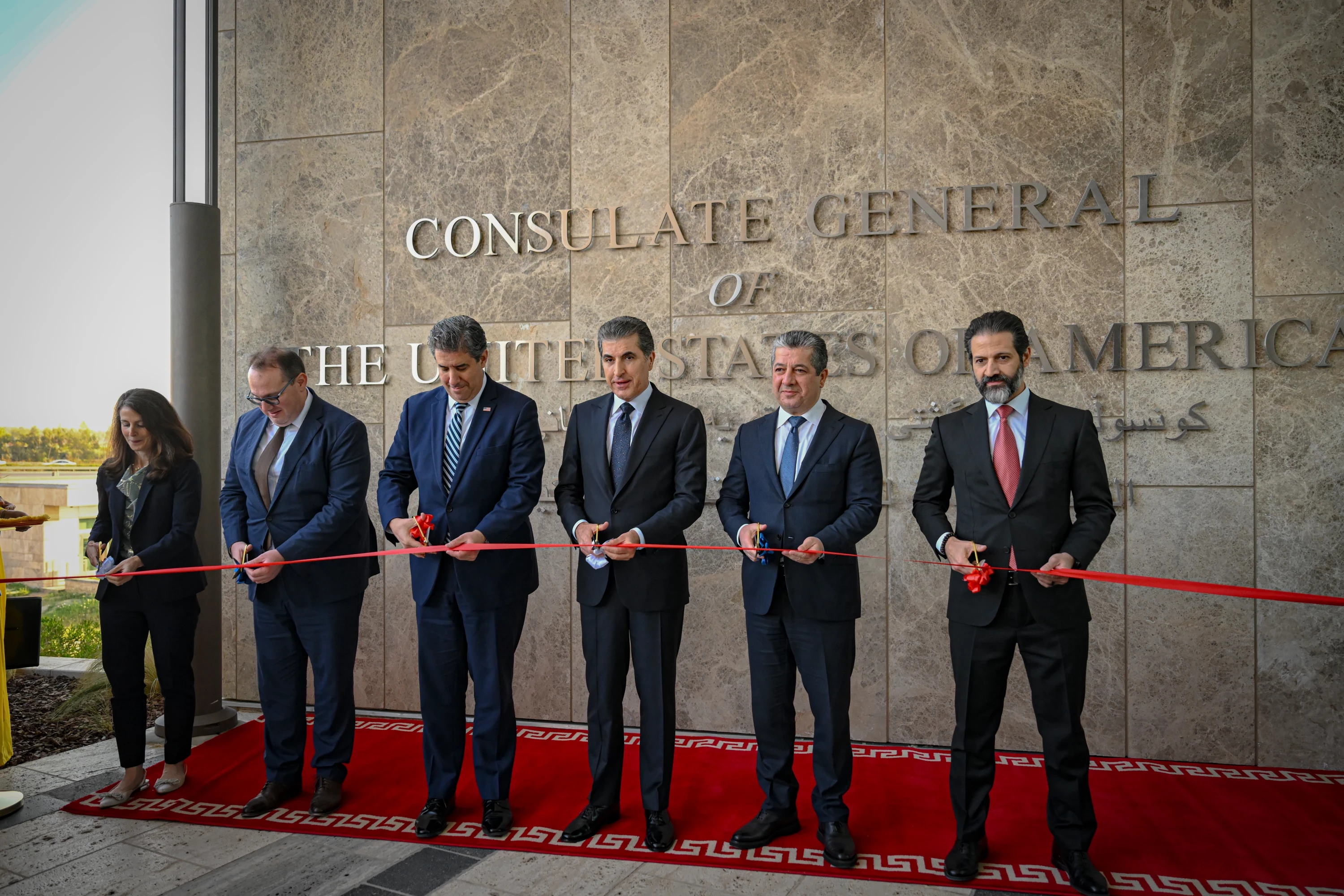
The past two weeks saw two developments that may have important implications for US engagement with the Kurdistan Region and Iraq more broadly. The first was a brazen assault by pro-Iran armed groups on the Khor Mor gas field in Sulaimani Province on November 27. The second was the inauguration of the new US Consulate General in Erbil, now described as the largest American consular facility in the world. Taken together, these events underscore Kurdistan’s important position within Iraq and the regional landscape, its growing strategic significance for Washington, and the intensifying efforts by Iranian-backed militias to undermine that relationship.
The attack on Khor Mor was a strike on a strategic piece of infrastructure, as the field supplies the natural gas powering the Kurdistan Region’s recently launched 24/7 electricity program—a major accomplishment in a country long plagued by chronic outages. The rockets, launched from the nearby Tuz Khurmatu area in Salahaddin Province—firmly controlled by Iran-backed militias—plunged large parts of the Kurdistan Region into darkness for days. The timing and method made the message unmistakable: this was pressure aimed squarely at the Kurdistan Regional Government (KRG) and its 6.5 million people, intended to tarnish an important success in governance and weaken the Kurdish parties’ bargaining position during government formation efforts after Iraq’s November legislative vote
But the message extended far beyond domestic Kurdish politics. The attack also appeared to test Washington’s resolve in confronting the militias, especially after an unprecedented series of statements from senior US officials over recent months—including Secretary of State Marco Rubio, Special Envoy to Iraq Mark Savaya, and Deputy Secretary of State for Management and Resources Michael Rigas. Over the past couple of months, American officials have publicly called for Iran-backed militias to be “disarmed” and “dismantled,” signaling a sharp escalation in Washington’s rhetoric and expectations. Khor Mor offered militia factions a chance to gauge whether the US would respond to a strike that directly challenged both Kurdish stability and US interests.
Those interests are substantial. In many ways, Khor Mor is the linchpin of Iraq-wide efforts to achieve energy independence from Iran—a priority repeatedly emphasized by US policymakers. Thanks to increased gas production at Khor Mor, the Kurdistan Region is now the only part of Iraq with uninterrupted, round-the-clock power. Khor Mor gas also enables Kurdistan to supply electricity to neighboring provinces such as Diyala and Nineveh, and increased production in the Kurdistan Region would mean more available gas for the rest of Iraq as well. Besides this, there is also a direct US stake in gas production in the Kurdistan Region, given the contracts signed in May between the KRG and two US-based companies, HKN Energy and WesternZagros, to invest over $100 billion in two gas fields near Khor Mor. These investments would solidify the Kurdistan Region’s position in domestic gas production within Iraq and help transform it into a regional actor in this sector.
The rest of Iraq, meanwhile, remains heavily dependent on inconsistent Iranian gas imports to keep its power plants running. Tehran has long used this dependency as leverage over Baghdad, and the timing of the attack—coming just as Iran again cut gas exports to Iraq—highlights its intention to maintain that leverage at all costs. It was a reminding message, not so subtly delivered, to Washington that Iran and its allies cannot be sidelined easily in Iraq. Connecting the dots, the Khor Mor strike was a challenge on three fronts: to Washington’s support for the Kurdistan Region, to its stated policy of promoting Iraqi energy independence, and to its willingness to push back against militias emboldened by Iran’s regional ambitions.
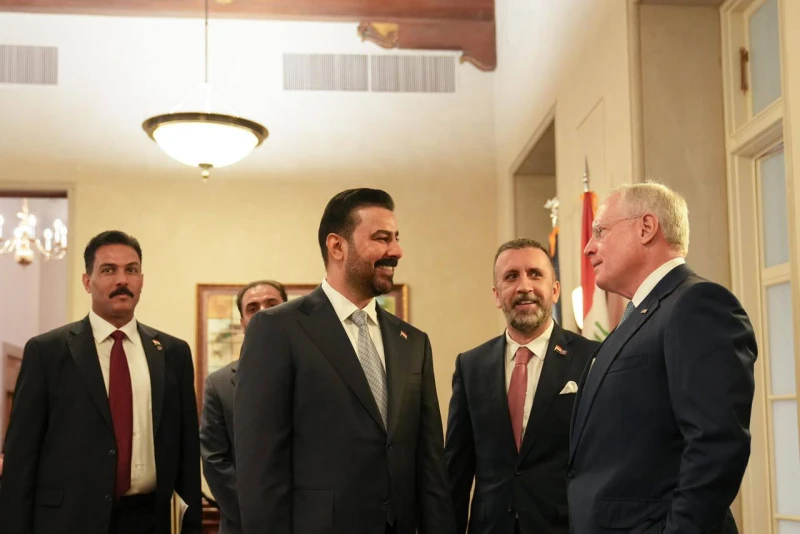
The other major development in Iraq and Kurdistan’s relationship with the US came several days after Khor Mor, with the inauguration of the US Consulate General in Erbil on December 3. The facility has been described as the largest US consulate in the world, costing around $800 million. In the context of US–KRG relations, this carries strategic weight, signaling Washington’s commitment to sustaining and expanding its relationship with the Kurdistan Region. At the opening ceremony, Rigas declared that “a strong, stable, and resilient Iraqi Kurdistan Region is a foundational pillar of the relationship the United States enjoys with Iraq.” For Kurds—long accustomed to uncertainty in regional geopolitics—this was an important public affirmation.
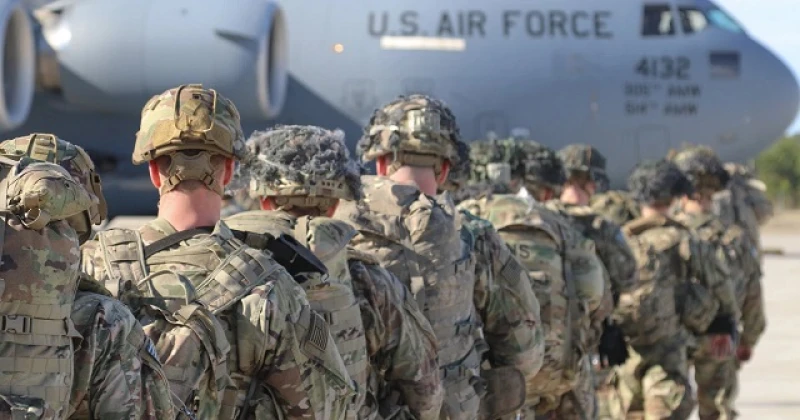
Unsurprisingly, the opening of the consulate drew sharp reactions in Baghdad, particularly from media outlets and unofficial spokespersons aligned with Iran-backed Shiite factions. Their messaging warned the Kurds not to place too much hope in US ties, reflecting anxiety over the deepening American presence in Erbil, particularly as this came amid the redeployment of US forces from other parts of Iraq to Kurdistan.
Despite this year’s welcome diplomatic and commercial advances, the Kurdistan Region’s most pressing vulnerability remains security. As a non-sovereign entity, the KRG lacks the latitude of a state to build and expand its military capabilities or cultivate independent security partnerships. The Khor Mor attack highlights the urgent need for strategic defensive systems—particularly air defense—to counter the rapidly proliferating drone and rocket technologies now commonplace among non-state actors across the region. The Iraqi government's response to the attack was disappointing, demonstrating a lack of political will to pursue any serious accountability for the perpetrators.
National Defense Authorization Acts in recent years explicitly called on the US government to provide such systems to the KRG, though the current bill does not appear to include similar language. Given the scale of US investment in the Kurdistan Region—for commercial projects, civilian infrastructure, counterterrorism cooperation, and now a major diplomatic presence—excluding the Kurdistan Region from these security provisions is difficult to justify. Providing air defense systems would protect not only the KRG’s population and critical infrastructure but also US personnel, assets, and interests operating in the region.
While US–Kurdish relations have experienced some turbulence at times—including during the 2017 Kurdish independence referendum—the partnership has endured and, in many respects, strengthened. There remains considerable room for deeper cooperation, including the possibility of a more permanent US military footprint in the Kurdistan Region. The path forward is clear. If Washington is serious about countering malign regional actors, promoting Iraqi energy independence, and supporting a reliable partner in a volatile region, then bolstering the KRG’s defensive capabilities must become a central component of US policy. A stable, friendly, and strategically positioned Kurdistan Region would serve regional stability and US interests at a moment when much of the surrounding region has grown increasingly hostile to the US or unstable.
 Facebook
 LinkedIn
 Telegram
 X
X