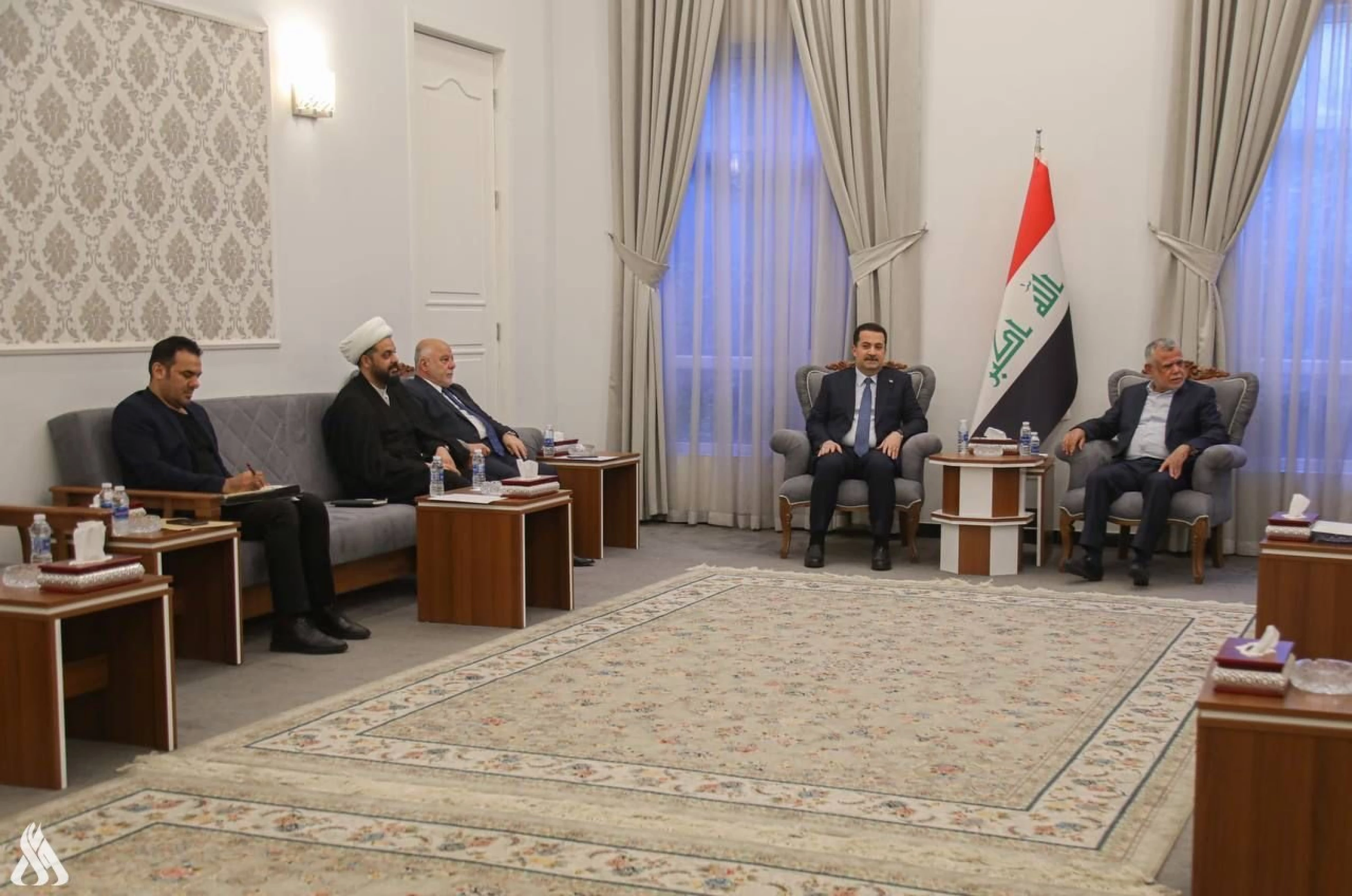
ERBIL, Kurdistan Region of Iraq- Leaders of Iraq’s ruling Shiite Coordination Framework will meet on Monday to discuss next steps, including the criteria for selecting the next premier, after Iraq’s top court ratified of the final results of the parliamentary elections, a member of the faction told The New Region.
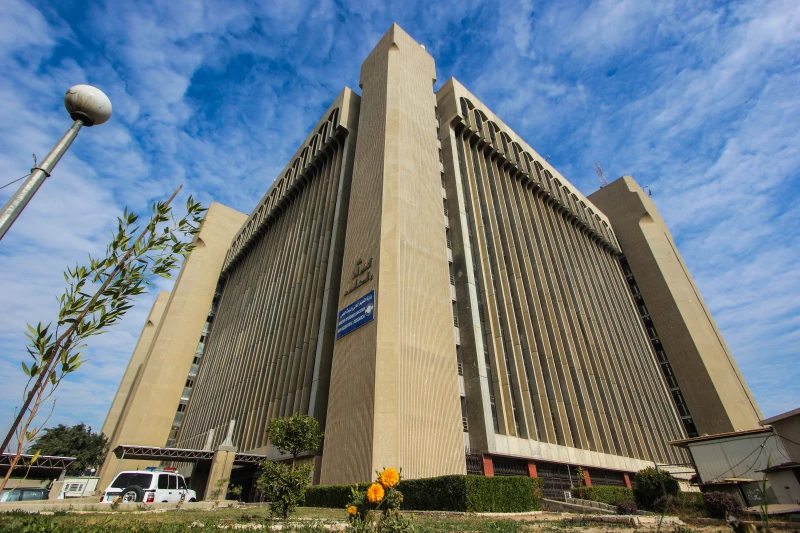
After reviewing the outcomes of the November vote, Iraq’s Federal Supreme Court on Sunday decided that the results “met all constitutional and legal requirements, and that there were no grounds for invalidating it.”
The ratification binds the parliament to hold its first session within 15 days. During the first session, the representatives elect a speaker, a post that traditionally goes to a Sunni Arab.
Ali al-Yasiri, member of the National Wisdom (Hikma) Movement, told The New Region on Sunday that Monday’s meeting “comes at a critical political moment, after the constitutional process of the elections has been completed.” He said the winning political forces now carry a national responsibility to manage the next stage.
Yasiri said the meeting will focus on reviewing the election results and their impact on the balance of power in the new parliament. Discussions will also cover coordination among the Framework’s parties on upcoming constitutional steps, the framework’s vision for the next government, and the criteria for choosing the next prime minister.
He said the goal is to form a strong government that can meet public expectations and maintain political and security stability.
“The meeting will also review the performance of the previous government and draw lessons from past experiences,” Yasiri added, stressing the need for a realistic government program that prioritizes citizens’ needs, especially services, the economy, and fighting corruption.
He said the Coordination Framework is open to dialogue with all national political forces, whether inside or outside the faction, to reach agreements that ensure the formation of a true partnership government without exclusion.
Meanwhile, State of Law Coalition member Arif al-Hammami described Monday’s meeting as important for deciding the candidate for prime minister.
Speaking to The New Region, Hammami said the Coordination Framework leaders will meet to settle the issue of selecting a prime minster candidate after the approval of the results.
He said the meeting is necessary for the Coordination Framework’s parties to take clear decisions on the next stage.
Hammami said the leaders will discuss several issues, most importantly how to choose a candidate for the premiership who is capable of managing the next phase and who has broad political support inside and outside the Framework, labeling the step as “essential” to forming a stable government able to face upcoming challenges.
“The court’s approval of the election results has placed all political forces before their national responsibilities,” said Hammami, stressing that the current phase requires cooperation and partnership, not disputes, to speed up government formation, while noting that the Coordination Framework remains committed to constitutional procedures and timelines.
Separately, the National Political Council, which brings together Sunni political forces, is set to hold a meeting on Sunday evening to decide on the nomination of a candidate for the post of Speaker of Parliament. The meeting was previously scheduled for Thursday but was postponed for technical and organizational reasons.
Within 30 days of the first session, the parliament must also elect a president for the country, which is reserved for Kurds, who would in turn name a prime minister-designate, selected by the largest parliamentary bloc, and task them with the formation of the Council of Ministers within fifteen days. The prime minister-designate would need to be replaced by the president if the cabinet fails to be formed in a timely manner.
Iraq has often failed to honor the constitutional frameworks, as disagreements between rivaling blocs hinder the process, resulting in long delays and, at times, unrest in the country.
 Facebook
 LinkedIn
 Telegram
 X
X