ERBIL, Kurdistan Region of Iraq – A trilateral agreement between Erbil, Baghdad, and oil firms to export the Kurdistan Region's oil has been extended for another three months, after it was set to expire at the end of the year, a senior official at Iraq's oil marketing company told The New Region on Thursday.
“The agreement between the Kurdistan Regional Government and the Federal Government has been renewed for another three months, meaning until March 31, 2026,” Deputy Director of Iraq's State Organization for Marketing of Oil (SOMO) Hamdi Shingali told The New Region on Thursday.
The agreement, set to remain in force through the end of 2025, was due to expire in the coming days.
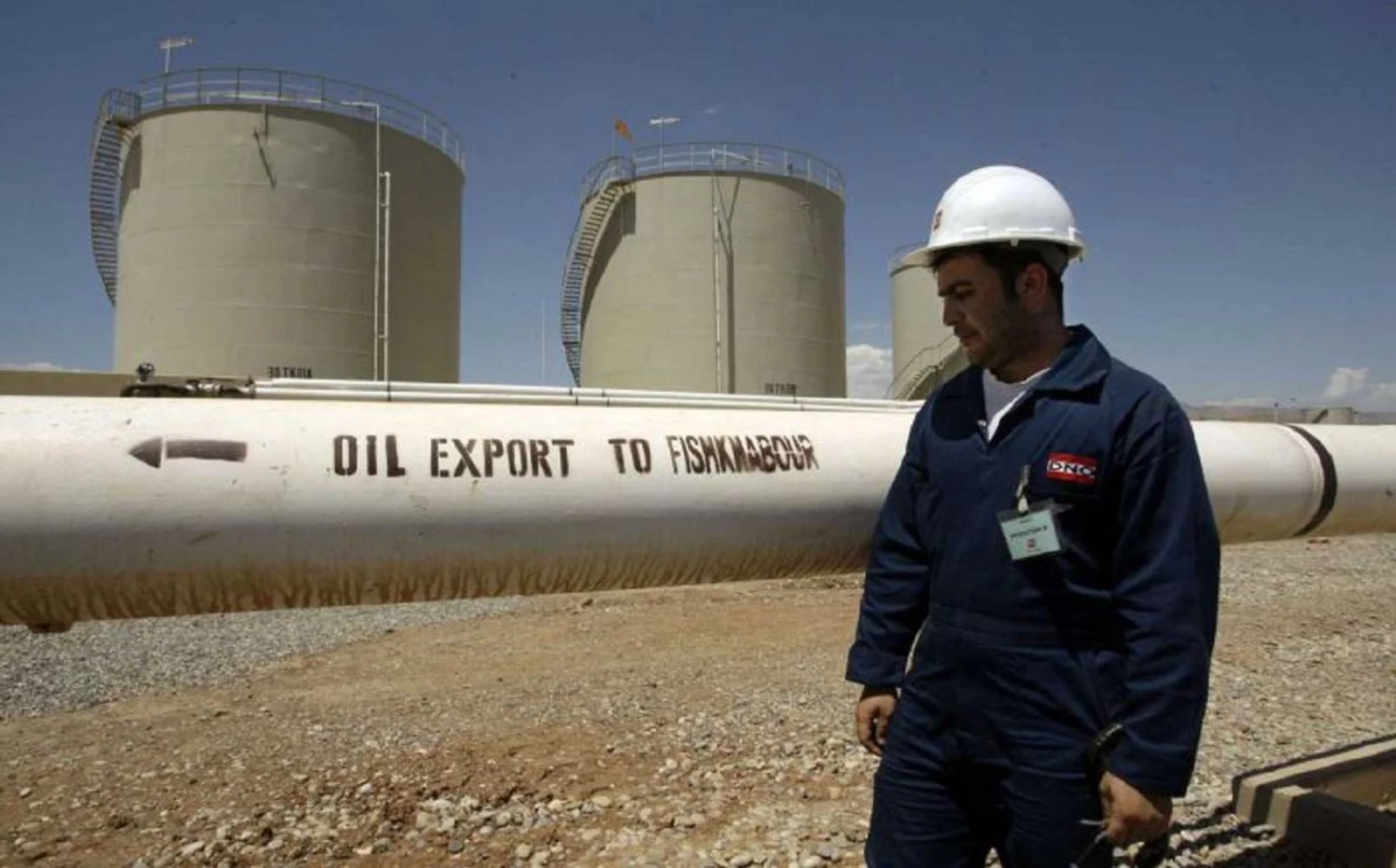
Exports of crude oil from the Kurdistan Region through the Iraq-Turkey pipeline resumed in late September after a 30-month halt, following the signing of a breakthrough agreement between Erbil, Baghdad, and international oil companies operating in the Region.
Shingali said there are no issues so far between Erbil and Baghdad over the Kurdistan Region’s oil exports, adding that the region exports between 200,000 and 250,000 barrels of oil per day.
Per the agreement, the Kurdistan Region will deliver “all crude oil” produced from its fields to SOMO for it to be exported through the Iraq-Turkey pipeline, apart from quantities allocated for domestic use.
The Kurdistan Region’s oil exports through Turkey’s Ceyhan port had been halted since March 2023, when a Paris-based arbitration court ruled that Ankara had breached a 1973 pipeline agreement by allowing Erbil to start selling oil independently in 2014, awarding the case to Baghdad.
The halt in oil exports dealt a major blow to Iraq and the Kurdistan Region, with over 30 billion dollars in lost revenue.
The Iraqi government’s finance ministry in May decided to suspend funding the Kurdistan Region’s civil servant salaries, arguing that the Region had already exhausted its share of the annual budget in May. The two governments have been engaged in numerous meetings to address their disagreements over oil exports and domestic revenue.
Shingali said production cannot be increased at present due to damage to facilities from the recent strikes.
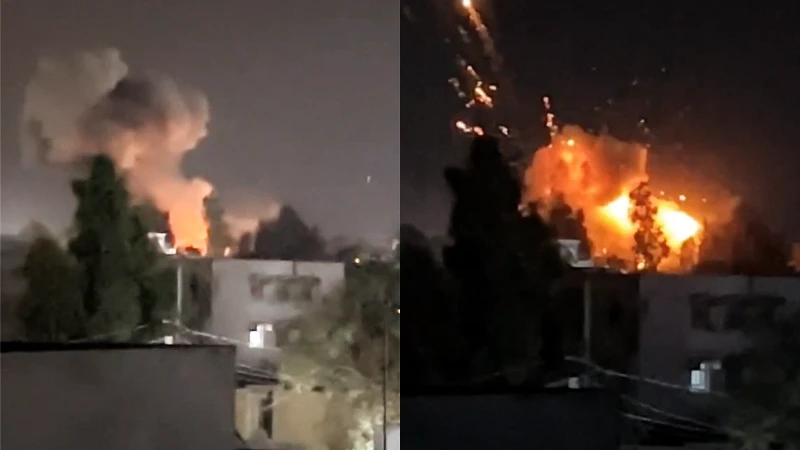
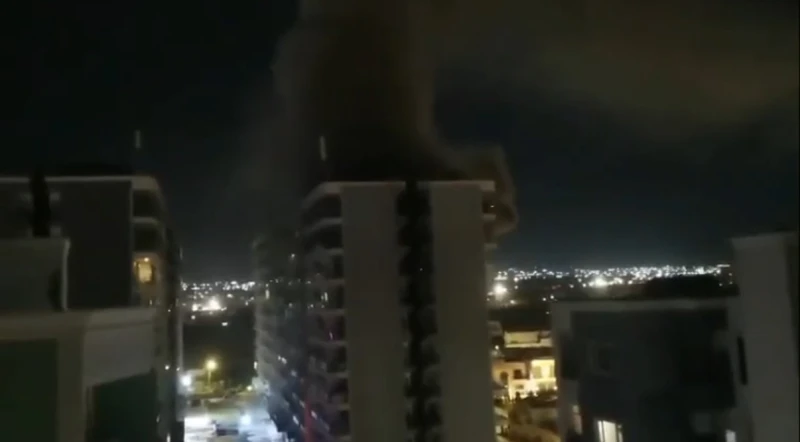
The Kurdistan Region's oil fields were targeted in subsequent months in a campaign of drone strikes after oil exports resumed in September.
In November, a strike targeted the Khor Mor gas field in Sulaimani’s Chamchamal district, shutting down production at the key field and slashing the Kurdistan Region’s electricity production by 80 percent.
 Facebook
 LinkedIn
 Telegram
 X
X