ERBIL, Kurdistan Region of Iraq - Iraq’s National Committee for Countering Violent Extremism Leading to Terrorism said Thursday it is close to launching a new rehabilitation initiative aimed at people convicted of terrorism-related offenses, with pilot programs planned in the provinces of Babil and Dhi Qar.
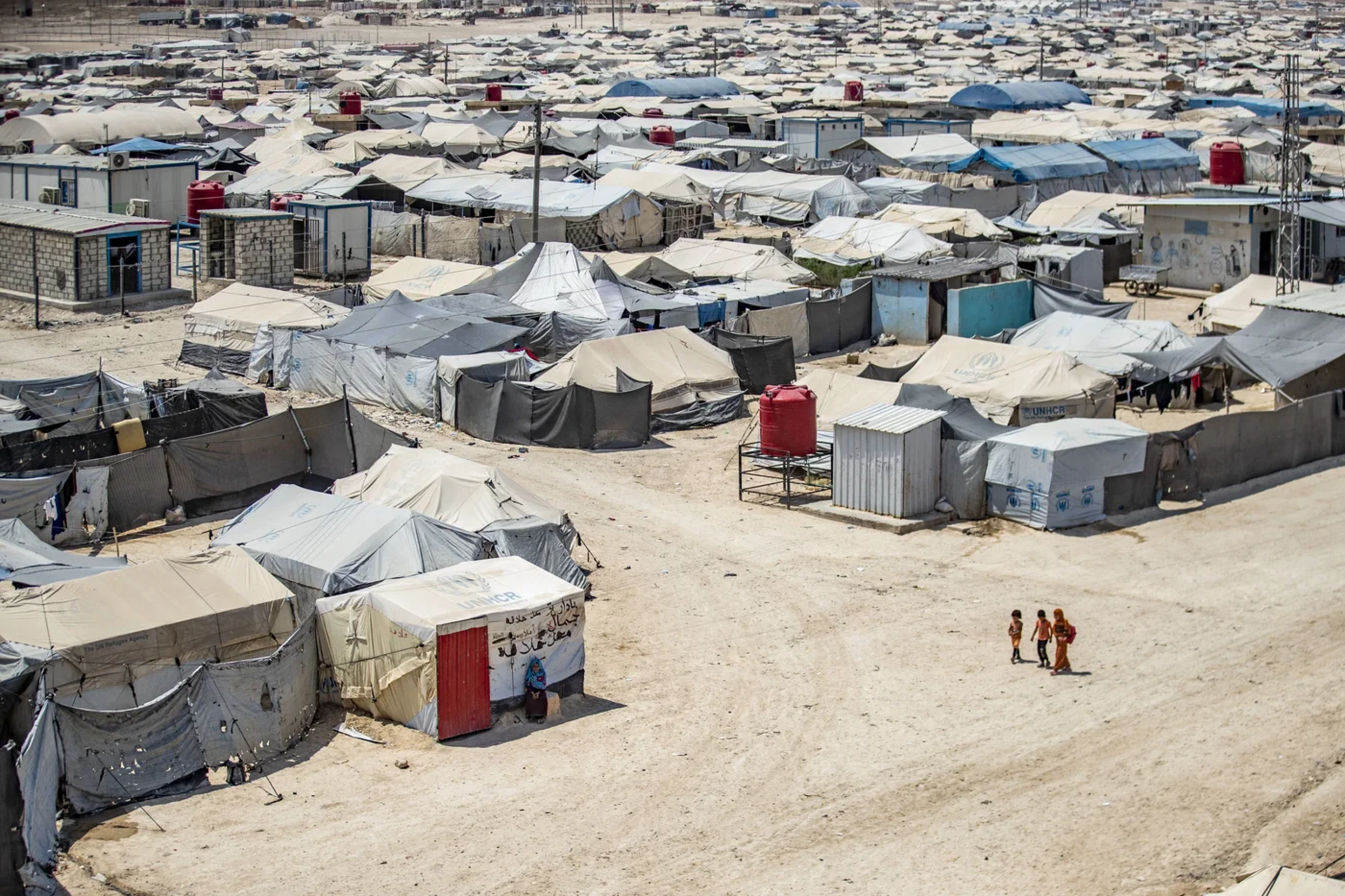
Committee head Ali Abdullah al-Badiri said the project, called Raed, will focus on countering violent extremism and supporting the social reintegration of former detainees and returnees from displacement camps, including al-Hol camp in northeastern Syria, which houses thousands of Islamic State (ISIS)-affiliated individuals from over 60 different nationalities.
Speaking to the state news agency, Badiri said discussions with religious leaders have centered on helping returnees reintegrate into their communities through structured support and rehabilitation programs.
He added that the committee is coordinating with religious scholars across Iraq to address extremist ideology, noting that an existing initiative known as the “Preachers’ House” has helped rehabilitate convicted militants through ideological and educational programs inside prisons.
Badiri said the upcoming programs in Babil and Dhi Qar will be expanded and comprehensive, targeting those convicted in terrorism and extremist ideology cases. He described the initiative as a model that could become a leading example for the region and beyond.
At the same time, recent developments show continued progress in reducing the number of Iraqi nationals held at al-Hol camp in northeast Syria.
In late December, a final convoy for 2025 returned hundreds of Iraqi families to their home country, marking the last organized return for the year.
Iraqi data indicate that fewer than 5,000 Iraqi citizens now remain in the camp, significantly down from previous years, raising prospects for a broader drawdown of the facility.
The returning group included around 250 families, totaling more than 800 people of various ages, who traveled in an organized convoy under tight security arrangements.
Upon arrival in Iraq, the families are expected to be enrolled in government-run reintegration and rehabilitation programs.
With approximately 21,000 Iraqis having returned from the camp so far, the remaining population has sharply declined, reinforcing expectations that the camp could eventually be closed.
 Facebook
 LinkedIn
 Telegram
 X
X