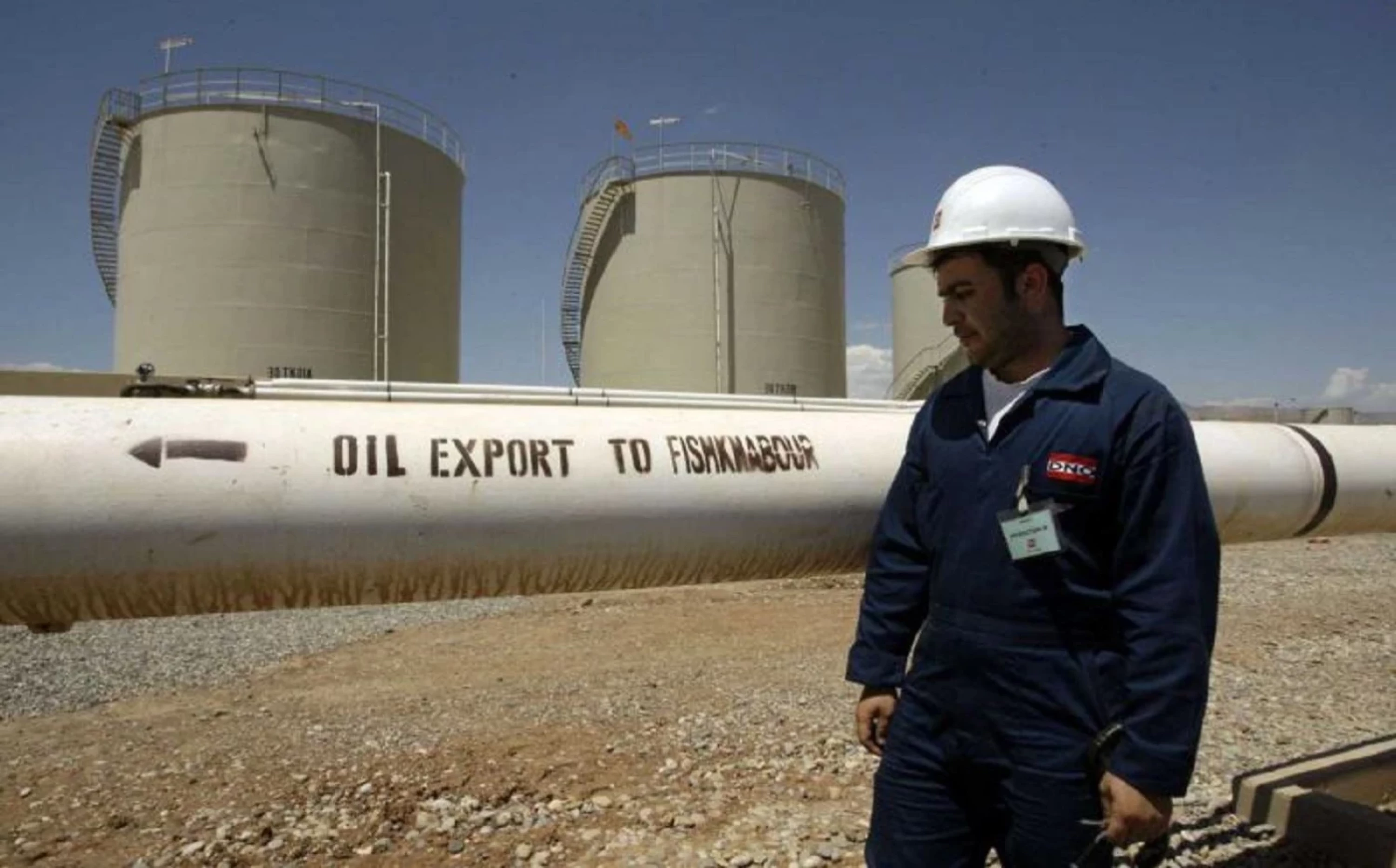
ERBIL, Kurdistan Region of Iraq – The Kurdistan Region has handed over 19.5 million barrels of oil to Iraq's oil marketing arm for export through the Iraq-Turkey pipeline since the resumption of Kurdish oil exports in late September, Kurdistan Regional Government (KRG) Cabinet Secretary Amanj Rahim told The New Region on Monday.
A tripartite agreement in late September between Erbil, Baghdad, and international oil companies (IOCs) ended a 30-month pause in exporting the Kurdistan Region's oil. The agreement, which was set to expire by the end of the year, was later extended for another three months in late December.
“The Kurdistan Region, from September 27, 2025 until December 31, 2025, has delivered 19,594,871 barrels to SOMO [Iraq’s State Oil Marketing Organization], at an average of 218,000 barrels per day,” Rahim said.
The total revenues from the sales amounted to over $1.2 billion, according to Rahim.
Despite coming under successive drone attacks, the Kurdistan Region's oil fields quickly recovered to bring production capacity back to normal levels. According to data obtained by The New Region, since the resumption of exports, the Region's oilfields have produced at a capacity of nearly 220,000 barrels per day on average.
A spate of aerial attacks by unidentified actors targeted the Kurdistan Region and Kirkuk's energy infrastructure in late June, days after the declaration of a ceasefire between Iran and Israel. The salvos continued for several months afterwards, with the latest one striking the Khor Mor gas field in late November, significantly slashing the Region's electricity production.
The Kurdistan Region’s oil exports through Turkey’s Ceyhan port had been halted since March 2023, when a Paris-based arbitration court ruled that Ankara had breached a 1973 pipeline agreement by allowing Erbil to start selling oil independently in 2014, awarding the case to Baghdad.
The halt in oil exports dealt a major blow to Iraq and the Kurdistan Region, with over $30 billion in lost revenue.
Disagreements between Erbil and Baghdad over oil exports and domestic revenues led to a budgetary conflict between the two governments, which saw Iraq's finance ministry decide to halt the Kurdistan Region's budget in May, arguing that Erbil had already exhausted its share of the federal budget. Baghdad used the move as pretense to stop funding the Region's civil servant employees' salaries, who ended up going months without payment.
Erbil and Baghdad eventually agreed to put aside their financial conflicts and ensure the livelihood of local civilians remains unaffected. Despite the KRG's commitment to sending the allocated oil to SOMO, the Region's civil servants have yet to be paid for the months of November and December.
 Facebook
 LinkedIn
 Telegram
 X
X