DUBAI, UAE - Iraq’s southern Dhi Qar province is free of nuclear and radioactive contamination, local and state oficials said Sunday, marking the end of a four-year cleanup and assessment effort.
Governor Haitham al-Hamdani announced the finding at a news conference, saying the province now offers a safe environment for residents and for education and scientific research.
“The results reflect sustained work to protect public health and the environment, and position Dhi Qar as a model for safety elsewhere in Iraq,” he said.
Hamed al-Bahali, senior adviser to the prime minister on atomic energy affairs, said Dhi Qar is currently the only site in Iraq considered fully safe from radiation risks, adding that the area could be developed into an advanced research and training hub for universities.
“Iraq plans to expand nuclear-related education as it moves toward building large nuclear power plants,” the advisor noted.
The head of Iraq’s national nuclear regulatory authority Fadhil al-Janabi welcomed the announcement, saying the long-standing file of war-related radiation remnants has been resolved.
He said the province could serve as a research center to train specialists needed for the nuclear and radiological sectors, and urged local authorities to provide the resources required to sustain the effort.
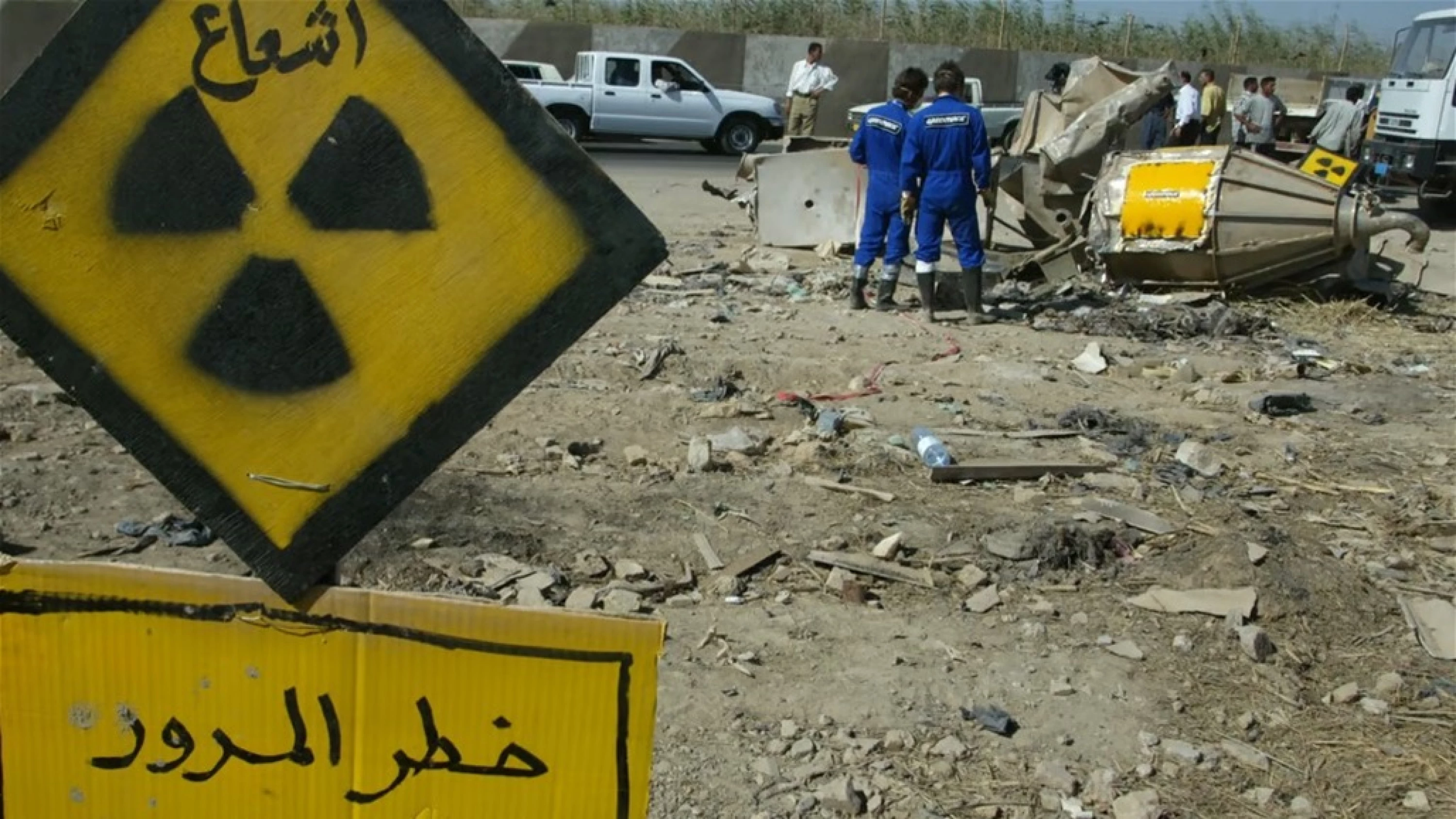
Concerns over radioactive contamination in Iraq date back to the 1991 Gulf War and the 2003 US-led invasion, during which American forces used depleted uranium (DU) munitions in armor-piercing shells and aircraft-fired weapons, particularly in southern and central battle zones.
When DU rounds strike targets, they can produce fine radioactive dust that settles in soil and water and may be inhaled or ingested by civilians, creating long-term environmental and health risks.
In a 2014 detailed study titled “Depleted Uranium in Iraq and Its American Use,” Iraqi researcher Dr. Hamid Hamad al-Saadoun of the Center for International Studies at the University of Baghdad documented widespread DU strikes in provinces including Basra, Dhi Qar, Muthanna, Najaf, Babil, and Fallujah.
The study links exposure in affected areas to rising cases of cancer, congenital birth defects, and chronic illnesses, arguing that the effects extended well beyond the battlefield and continued to impact civilian populations for years after the fighting ended.
Concerns over depleted uranium were also raised in a report published by the American Friends Service Committee (AFSC) and authored by Iraqi oncologist Dr. Jawad Al-Ali, which linked the use of depleted uranium munitions during the 1991 Gulf War and the 2003 invasion to rising cancer rates and congenital birth defects in parts of southern Iraq, based on clinical observations and local health data.
However, international bodies including the World Health Organization (WHO) and the International Atomic Energy Agency (IAEA) have said that while depleted uranium is chemically toxic and may pose localized risks if inhaled or ingested, available evidence has not conclusively established a direct causal link to widespread population-level cancer increases, leaving the issue scientifically contested amid gaps in long-term data and the broader impacts of war and healthcare system failures.
 Facebook
 LinkedIn
 Telegram
 X
X