ERBIL, Kurdistan Region of Iraq – Iraq’s post-election political maneuvering intensified on Sunday, as senior figures within rival Shiite alliances exchanged signals of support, caution, and skepticism over a possible return of Former Prime Minister Nouri al-Maliki.
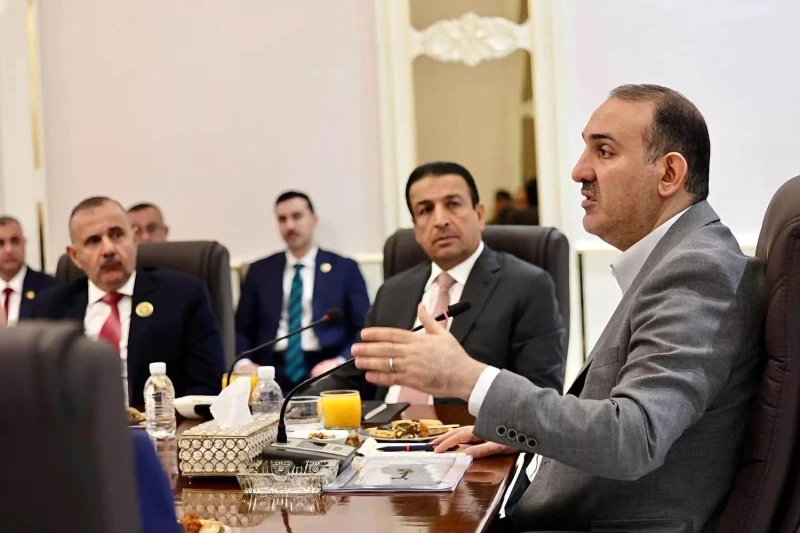
Mohammed al-Samarrai, a member of the Reconstruction and Development Coalition, said Maliki is “more experienced than Mohammed Shia’ al-Sudani,” adding that his alliance is prepared to give up enough political leverage to help Maliki secure the premiership.
Speaking in a televised interview monitored by The New Region, Samarrai said most leaders within the Coordination Framework are aware of Sudani’s recent meeting with Syrian President Ahmed al-Sharaa. He described State of Law’s opposition to Sudani’s government as “constructive” and said Reconstruction and Development would be part of the governing structure of a Maliki-led cabinet.
“Reconstruction and Development will donate from its points what is enough for State of Law to take the premiership,” Samarrai said. “We and State of Law are one, and we will give them from our ministerial shares.”
He said his alliance would not issue a formal statement announcing a concession to Maliki “so as not to bypass the Coordination Framework,” adding that if Maliki withdraws, “the matter returns to Sudani.”
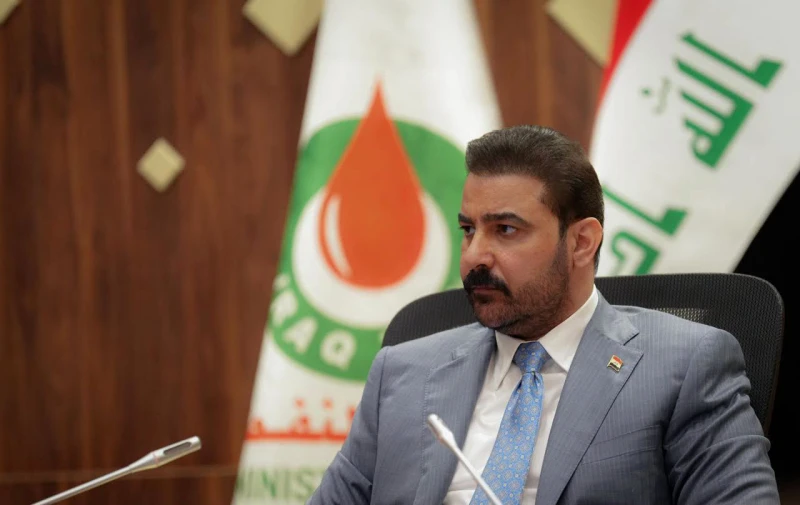
Samarrai also said Sudani had stepped aside in favor of Maliki without formally withdrawing, claiming the two alliances together now hold 81 seats. He denied that the move was a political tactic, stressing that Sudani stepped aside “for Maliki personally, not for someone Maliki might later choose.”
“Sudani stepped aside for Maliki because he saw in him the ability to confront the coming challenges,” Samarrai said.
State of Law Coalition lawmaker Ali al-Ezirjawi said his bloc does not want to pre-empt how a Maliki government might deal with Damascus, but argued that Maliki’s experience would be critical in managing Iraq’s economic difficulties.
“Sudani’s achievements are appreciated, but we have some reservations about performance,” Ezirjawi said, adding that “Sudani and Maliki come from the same source, and there is nothing unusual about stepping aside.”
He said that if Maliki is excluded from consideration, State of Law would not automatically back Sudani, noting that the decision ultimately lies with the Coordination Framework. Ezirjawi also confirmed that understandings had been reached between his coalition and Sudani, saying, “We do not forget that Sudani is a son of State of Law.”
Abu Mithaq al-Massari, a political analyst, offered a more pessimistic assessment, describing reports of Sudani stepping aside for Maliki as “detached from reality and not serious.”
“Maliki will not face opposition from any party within the Framework,” Massari said, warning that “the engines of political obstruction are ready and could take us to a tragic situation.”
He said the Coordination Framework has not formally recommended that any party withdraw in favor of another, adding that the bloc is trying to avoid “a collision with Trump’s turbulence and the issue of internal weapons.”
According to Massari, contacts among Framework leaders are ongoing, “most of them after midnight,” and include a proposal for Maliki to assume office for 100 days or six months before stepping aside for a consensus candidate.
“One of the two blocs, State of Law or Reconstruction and Development, will fragment,” he said, adding that a senior figure within the Framework rejected the idea of former prime minister Haider al-Abadi presenting a compromise candidate.
Massari said State of Law has moved forward politically but has yet to issue a clear official statement, arguing that the political scene “returned to zero” after confusion surrounding reports of Sudani’s withdrawal cleared.
“The new reality,” he said, “is that the media is being used to impose a specific point of view.”
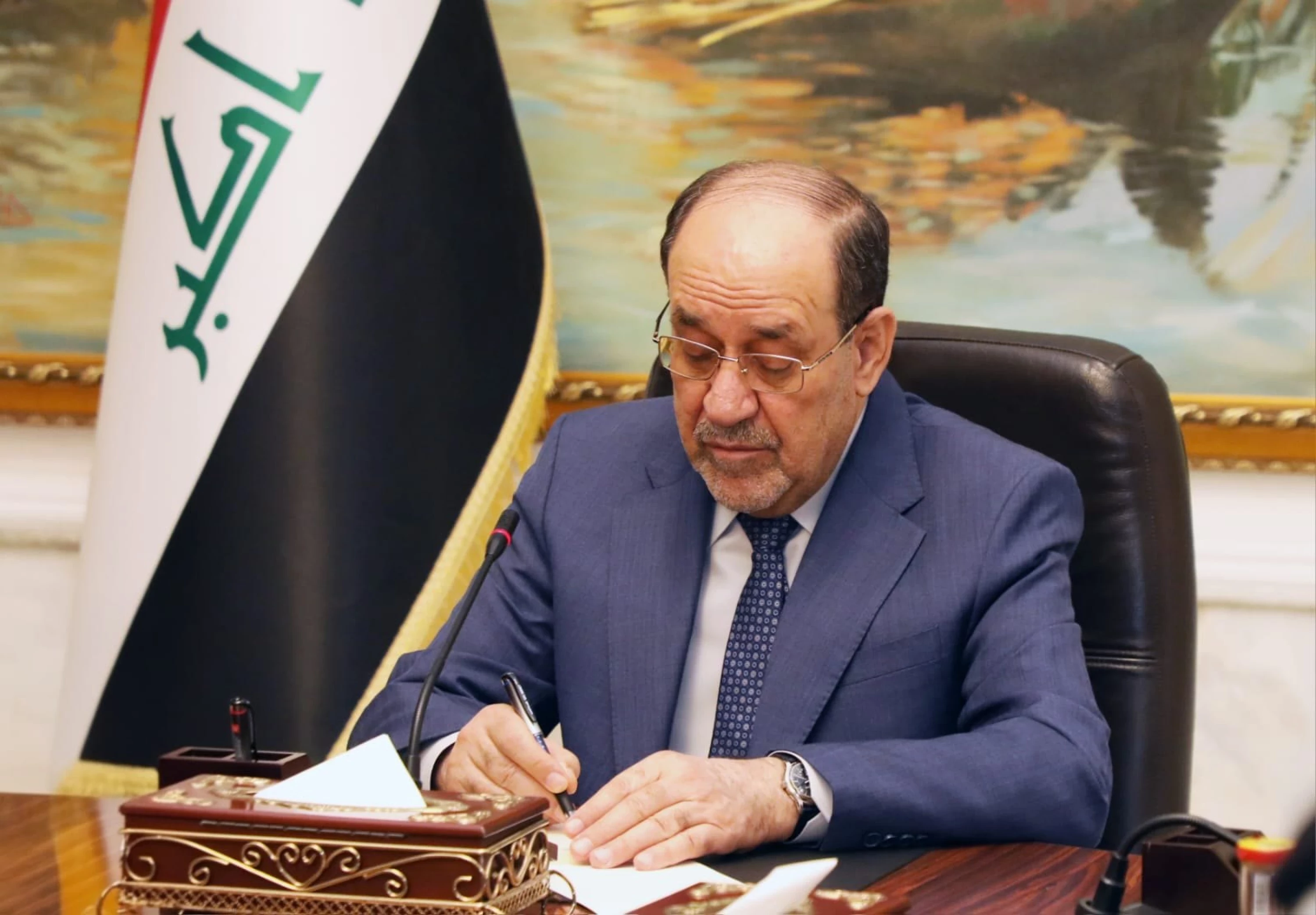
Former Prime Minister Nouri al-Maliki has emerged as the sole nominee of Iraq’s Shiite Coordination Framework for the premiership, following the reported withdrawal of incumbent Prime Minister Mohammed Shia’ al-Sudani from contention.
State of Law Coalition officials said the decision came after months of negotiations among Framework parties, during which several candidates were considered. With Sudani stepping aside in favor of Maliki, the alliance said no bloc objected, leaving Maliki as the only candidate heading into the next phase of government formation.
Maliki previously served two terms as prime minister from 2006 to 2014, resigning during his second term amid major security setbacks linked to the rise of the Islamic State group and persistent corruption allegations. His State of Law Coalition finished third in the most recent parliamentary elections with 29 seats, behind Sudani’s Reconstruction and Development Alliance and the Sunni-led Taqadum Party.
 Facebook
 LinkedIn
 Telegram
 X
X