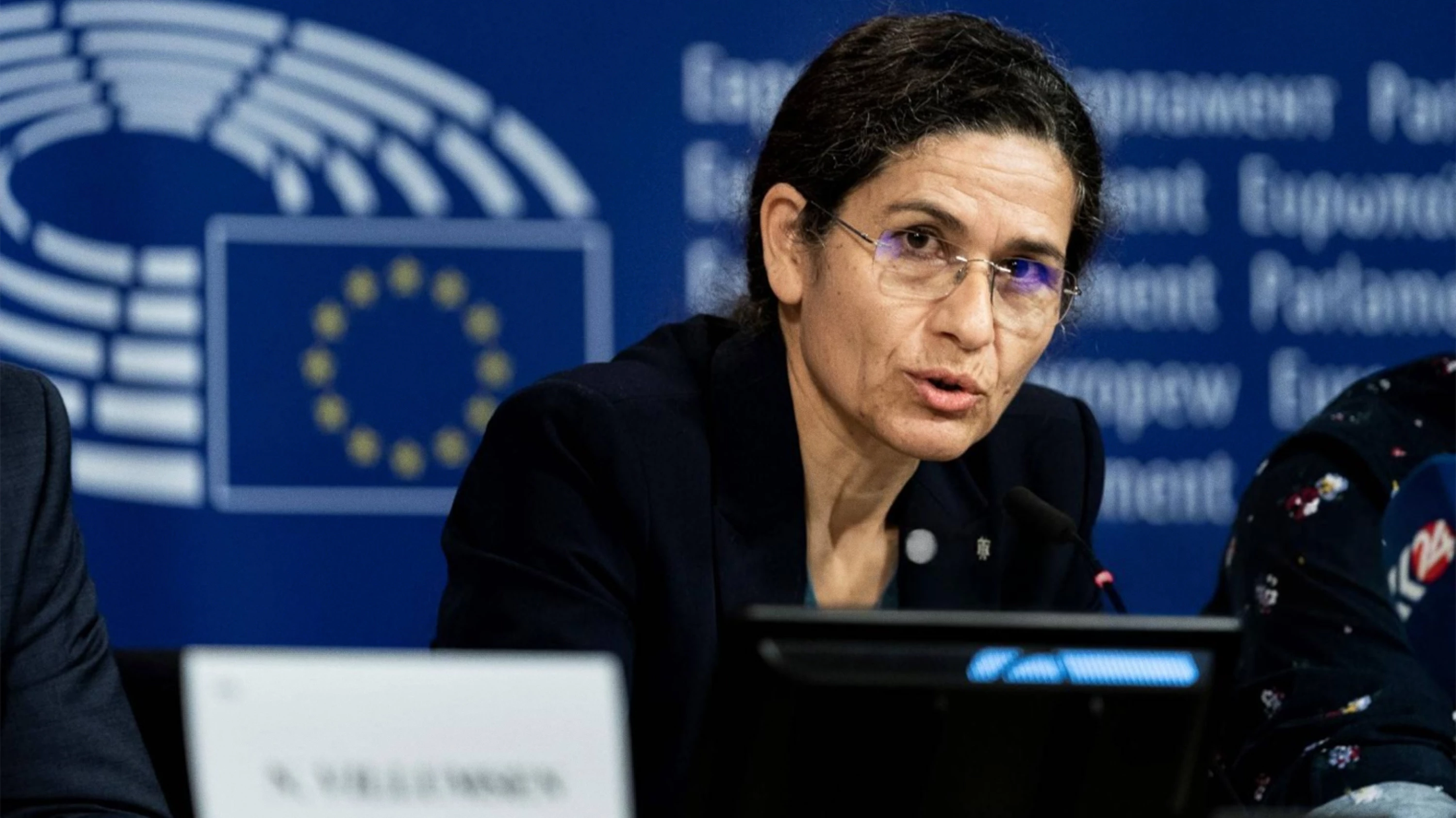
ERBIL, Kurdistan Region of Iraq – A northeast Syria (Rojava) top official said Tuesday that if Washington "speaks truthfully," it can bring peace to Syria and "stop the fighting," adding that they "don't know" if a recent attack on Aleppo's Kurdish neighborhoods was greenlit by the US
Elham Ahmed, head of Rojava's foreign relations office told The New Region in an interview that Washington knows "better than everyone the Damascus government’s intentions through dialogue and negotiation," adding that if the US "speaks truthfully" they can "they can stop the fighting, then they can open the door of peace and harmony."
Ahmed said that the US witnessed Damascus's discussions with the Druze, and saw the issues that arose during them, and that the they are also there for the situation with the Kurds and the Alawites, adding that the US "coordinated" the new Syrian government, and "they know better than anyone what compounds they are comprised of. It is them who regulates them and holds them accountable."
Addressing The New Region's inquiry about reports that a recent Damascus operation on Aleppo's Kurdish-majority neighborhoods was greenlit by the US, the top Rojava official said "I don't know if they gave permission or not ... I can also understand in this case, that they have silenced themselves."
"I hope that it is not like this that is why American leaders must come out and show their intentions clearly - show them transparently," Ahmed said.
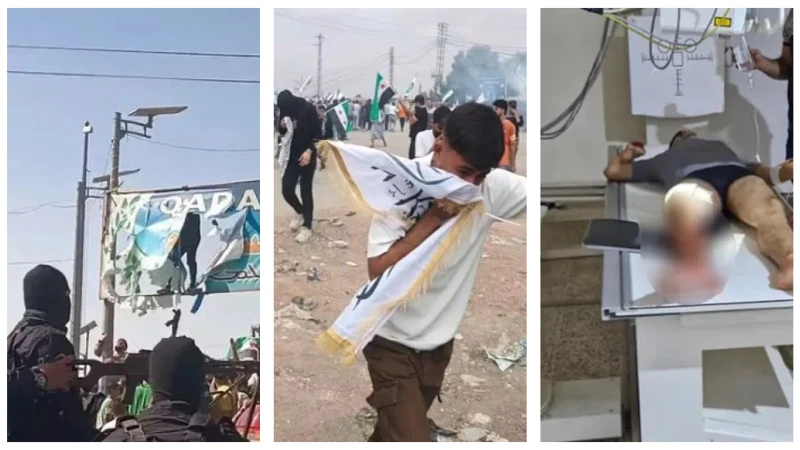
Syrian state-affiliated forces in early January launched a military offensive against Kurdish-led internal security forces (Asayish) in Aleppo's Kurdish-majority neighborhoods of Sheikh Maqsoud and Ashrafiyeh, aiming to drive the Asayish out of the neighborhoods.
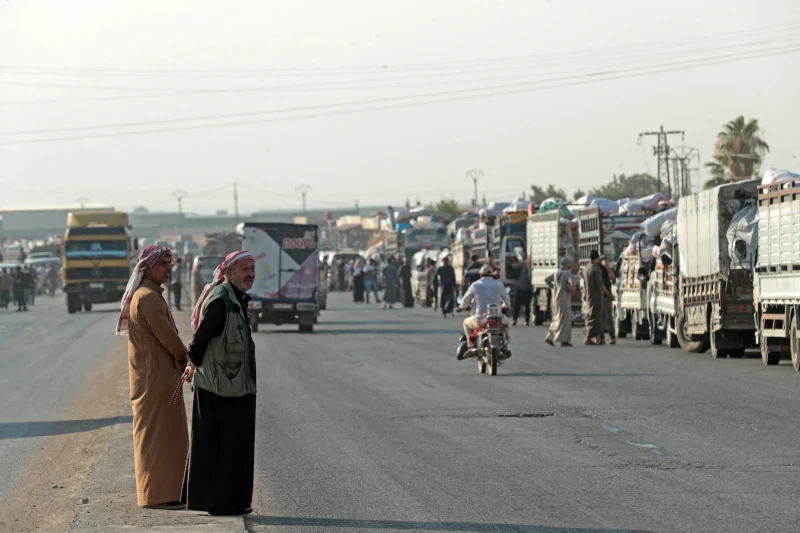
The clashes went on for six days and led to hundreds of civilian casualties and the displacement of more than 155,000 residents.
At least 38 Damascus-affiliated fighters, one Asayish member, and 43 civilians were killed, and over 115 others injured in nearly a week of fighting, according to the UK-based Syrian Observatory for Human Rights (SOHR).
Regarding media rhetoric creating a dividing line between east and west of the Euphrates, the Kurdish diplomat said "No we do not believe what Damascus tells the international community and the media are true [about setting a border for Rojava]," dismissing it as state propaganda. "We do not see any borders placed for where we can be," she added.
New authorities in Damascus, and Kurdish-led actors in northeast Syra have struggled to see eye-to-eye after Assad's ouster at the hands of current Syrian interim President, and then-leader of Hayat Tahrir al-Sham Ahmed al-Sharaa.
Disagreements over Syria's future model of governance, and failures in integrating the Kurdish-led Syrian Democratic Forces (SDF) have seen the two sides stray further away from each other.
The SDF accused Syrian government factions of conducting several attacks on Tuesday in and near Deir Hafer, and around Tishreen dam, as tensions escalate between both sides.
 Facebook
 LinkedIn
 Telegram
 X
X