ERBIL, Kurdistan Region of Iraq – Top officials from the Kurdistan Region, including President Masoud Barzani on Tuesday urged the international community to intervene and stop the clashes in Syria, as concerns rise regarding a potential resurgence of the Islamic State (ISIS) amid the chaotic handover of prisons holding individuals affiliated with the jihadist group.
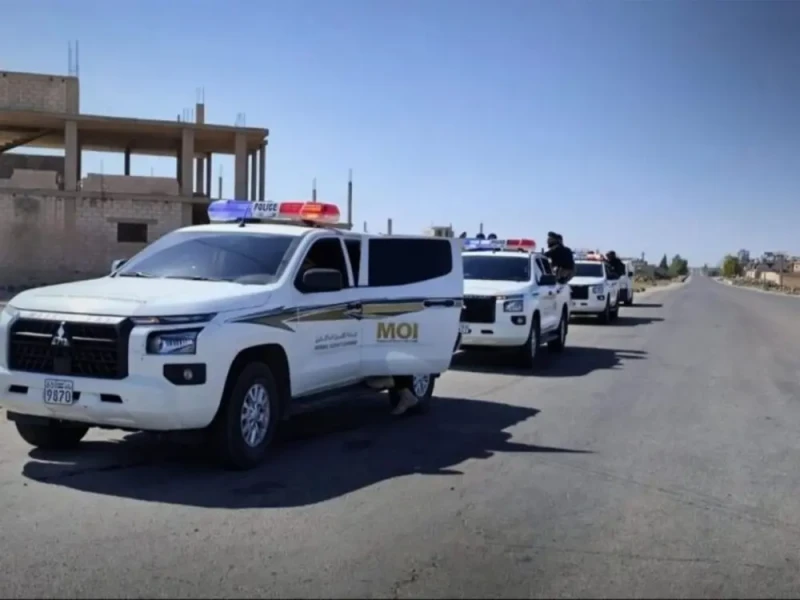
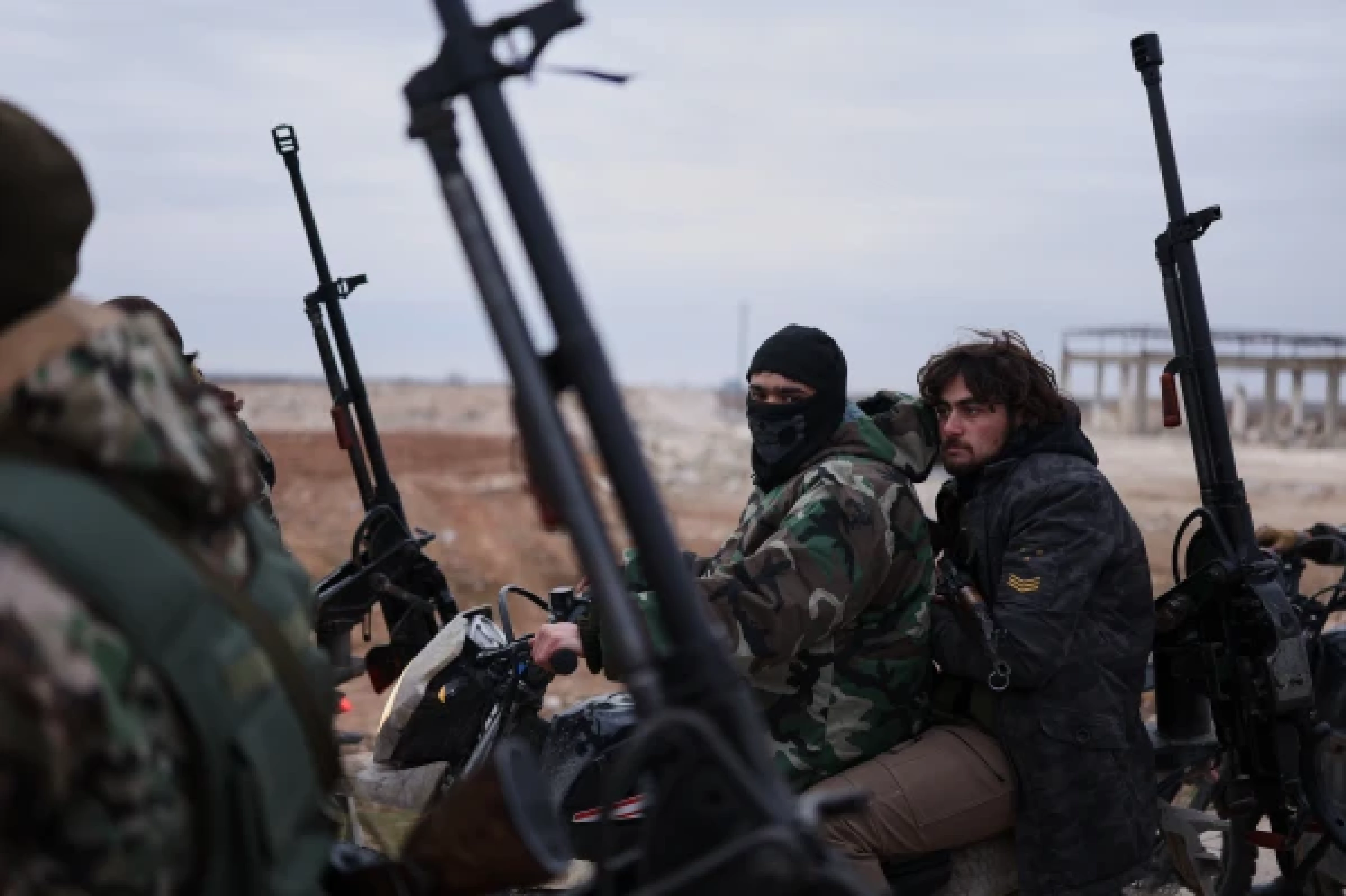
The Syrian Arab Army has waged a violent campaign on areas held by the Kurdish-led Syrian Democratic Forces (SDF) since early January , with the Damascus factions rapidly advancing toward Rojava despite several fragile ceasefires being agreed. Damascus-affiliated factions have taken control of the al-Shaddadi prison and the al-Hol camp in Hasakah, while clashes continue at the al-Atqan prison in Raqqa, the three sites house tens of thousands of ISIS members and their families.
The clashes have continued despite several ceasefire attempts, the latest of which was announced by the Syrian defense ministry Tuesday evening, and took effect at 8:00 pm. Despite the truce, SDF reported several artillery shelling attempts by Damascus-affiliated factions.
President Masoud Barzani expressed concern over the escalations, urging all parties in a statement “to act responsibly and away from emotions, and not to allow harm to come to our brothers and sisters in Rojava,” calling the situation “unacceptable in any way."
President Barzani warned that the clashes create a “danger of the resurgence of ISIS and terrorism,” threatening regional stability and security, and called on the international community and allies to “assume their responsibilities and immediately stop the tensions,” urging the declaration of a “comprehensive ceasefire.”
Iraq's Popular Mobilization Forces (PMF) on Tuesday evening said it had captured "a prominent ISIS leader named Mahmoud Hassan al-Jubouri, who was directly responsible for the organization's cells in Syria and Nineveh," while attempting to cross from the Syrian territory into Iraq, lending credibility to the worries voiced by regional leaders.
Kurdistan Region President Nechirvan Barzani also expressed concern over the hostilities, similarly warning of the risk of an ISIS resurgence and threats to regional stability, in a post on X.
Since the beginning of the clashes, Erbil “has been continuously in contact with regional and international parties to stop the war,” the Kurdish leader said, adding that the conflict complicates the situation.
He reaffirmed Erbil’s readiness “to offer all assistance and help for the purpose of stopping the war and reaching a ceasefire and agreement.”
The Syrian Presidency on Tuesday claimed to have reached “a joint understanding” with the SDF to integrate all military and civil institutions in Rojava into the state within four days, a move later confirmed by the Defense Ministry in a separate statement.
The SDF later announced its “full commitment” to the ceasefire, saying it will not “initiate any military actions unless our forces are subjected” to attacks in the future, the truce however, has been violated by Damascus, according to the SDF's reports, who claimed that they had been targeted minutes after it was scheduled to take effect.
The Syrian government has repeatedly claimed to have reached political and de-escalation agreements with the SDF in recent weeks, but has continued to attack the Kurdish forces and areas, according to the Kurdish-led force.
Minutes before the Presidency statement, SDF Commander Mazloum Abdi said Damascus “has not responded” to any ceasefire initiative over the past two weeks, calling on the interim Syrian government to “stop the attacks and return to the dialogue table.”
The expansion of the Syrian Arab Army’s campaign into Rojava has raised fears of potential massacres against the Kurdish forces and Kurdish civilians in the area.
 Facebook
 LinkedIn
 Telegram
 X
X