ERBIL, Kurdistan Region of Iraq – The recent US announcement to transfer thousands of Islamic State (ISIS) detainees from Syria to Iraq shows that there is a lack of trust in Damascus’ ability to secure the prisons amidst ongoing conflict, diplomatic representatives, military sources, and experts suggested.
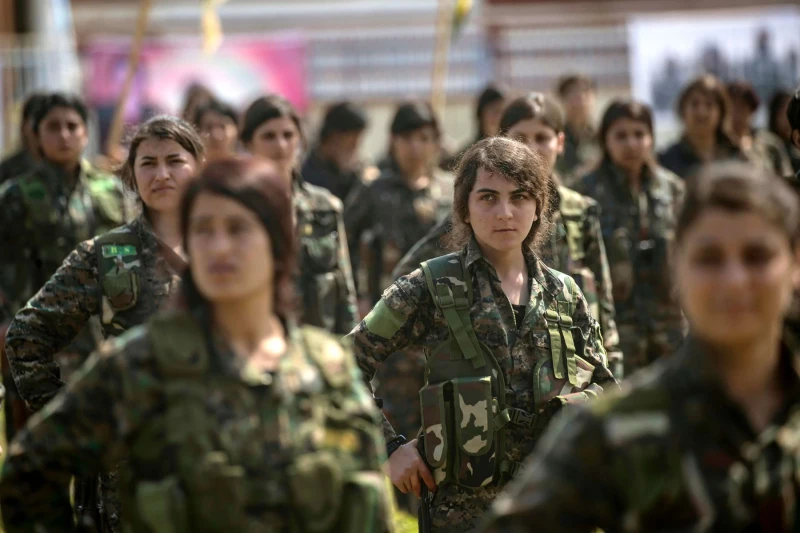
The transfer of the detainees has further sparked fears among Kurds about a potential new offensive from Damascus forces, as the four-day ceasefire nears its end.
The US Central Command (CENTCOM) on Wednesday announced that the US transported 150 ISIS members, held at a detention facility in Hasakah, to a secure location in Iraq. “Ultimately, up to 7,000 ISIS detainees could be transferred from Syria to Iraqi-controlled facilities,” CENTCOM said.
"We are closely coordinating with regional partners, including the Iraqi government, and we sincerely appreciate their role in ensuring the enduring defeat of ISIS,” said Admiral Brad Cooper, CENTCOM commander. “Facilitating the orderly and secure transfer of ISIS detainees is critical to preventing a breakout that would pose a direct threat to the United States and regional security.”
Cooper spoke with Interim Syrian President Ahmed al-Sharaa on Wednesday and expressed expectations for “Syrian forces as well as all other forces to avoid any actions that could interfere.”
Fear of escapees
The transfer is likely a sign of Washington’s fear that more ISIS detainees could escape, with a detention facility still in the hands of the SDF.
“It shows they don’t trust anyone holding them because of the situation,” Andrew J. Tabler, former director for Syria in the US National Security Council in 2019 and senior adviser to Syria’s special representative at the State Department from 2020 to 2021, told The New Region.
“The hasty, risky transfer of prisoners shows there’s no trust in the stability of these facilities. The detention situation is clearly not in anyone’s control,” an anonymous European diplomat told The New Region.
The 150 ISIS fighters that have already been transferred to Iraq are most likely foreign ISIS fighters and leaders who have received priority.
A Western military source told The New Region that the US-led coalition is worried about the escape of the “big fish.”
“The present chaos is not good, and could lead to having ISIS fighters being freed in Syria,” the source said.
“If the US transfers ISIS detainees to Iraq, that means Washington lacks confidence in Sharaa’s willingness and/or efficiency to keep them in jails,” said Fabrice Balanche, an associate professor and research director at the University of Lyon.
A Kurdish activist on the ground told The New Region on the condition of anonymity that the US is afraid that the SDF could be forced to withdraw from Hasaka when attacked by tribal cells, which could let the ISIS fighters escape, like what previously happened in al-Hol camp and Shaddadi.
Earlier, a number of ISIS families and 200 low-level fighters escaped from the Shaddadi prison and the al-Hol camp. In 2022, 1,000 detainees from Shaddadi were evacuated to a better-secured prison.
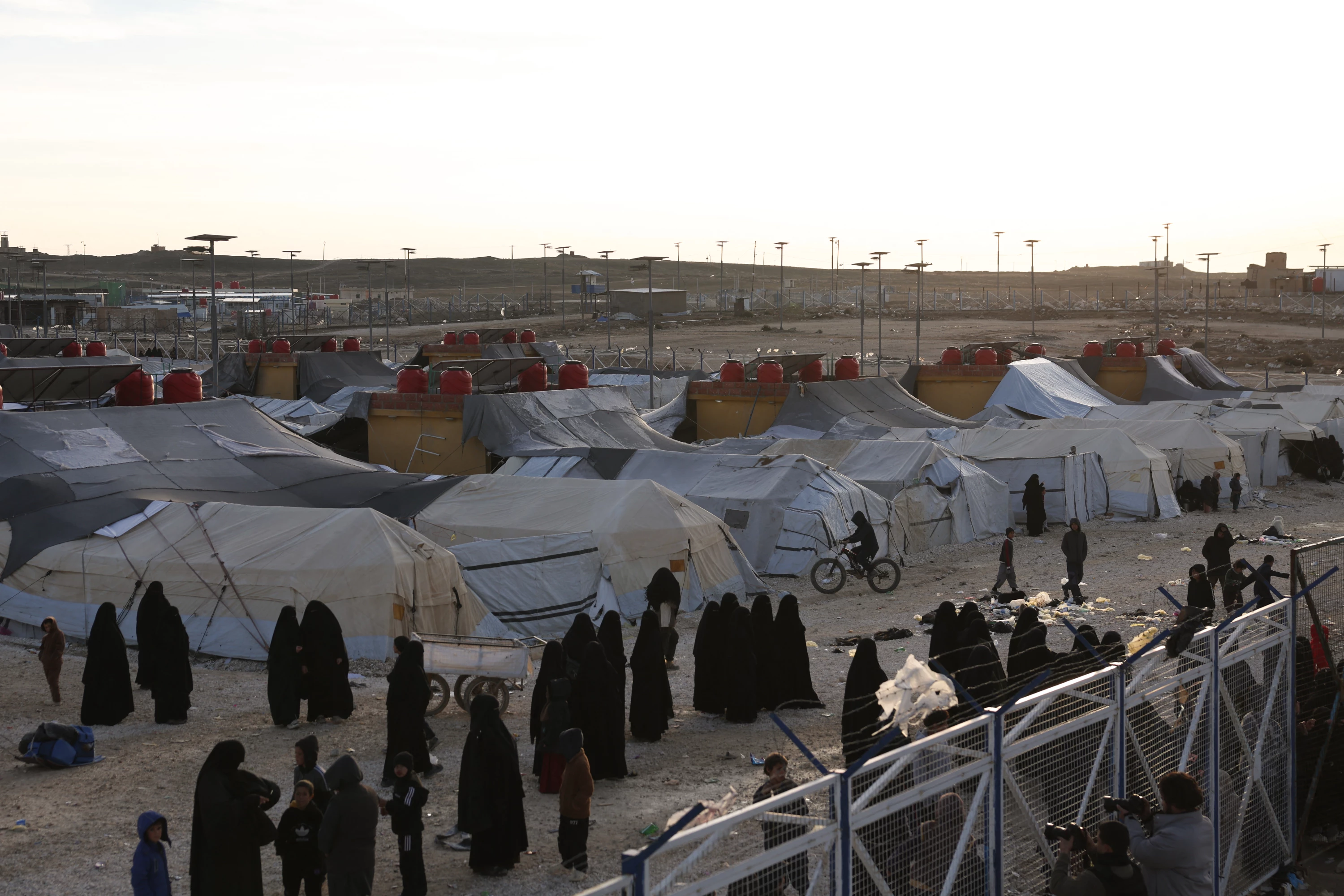
It is unclear what will happen with the ISIS families that are still in al-Hol camp.
Syria's interior ministry on Wednesday announced that al-Hol camp and security prisons in the provinces of Hasaka, Deir ez-Zor, and Raqqa, where forces have recently been deployed, have been designated as restricted zones and that there are efforts to search for escaped ISIS prisoners.
Moreover, SDF sources indicate that there are still a large number of SDF fighters surrounded in a prison for ISIS detainees - the al-Aqtan prison in Raqqa - that contains ISIS leaders. So far, there have been no indications that the US would evacuate these fighters.
A new offensive?
The anonymous Kurdish activist also expressed worries that Damascus might launch a new offensive against the SDF after US Special Envoy for Syria Tom Barrack, who is also US ambassador to Turkey, suggested on Tuesday that the role of the SDF is now “expired” and that now the US is transferring ISIS prisoners out of Syria.
Barrack also said that the US is focused on “ensuring the security of prison facilities holding ISIS prisoners, currently guarded by the SDF.”
Furthermore, the envoy stated that the US. is “facilitating talks between the SDF and the Syrian Government to allow for the peaceful integration of the SDF and the political inclusion of Syria’s Kurdish population into a historic full Syrian citizenship.”
However, experts suggest a lack of signs that Damascus wants to give concessions to the Kurds, although Damascus on Monday announced a four-day fighting pause until an agreement is reached, and promised Syrian soldiers would not enter the cities of Qamishli or Hasaka.
Aymen Jawad al-Tamimi, a translator and historian living in Syria, said every ceasefire is “intended to give the SDF a chance for peaceful surrender.”
“The government’s discourse and behaviour from the outset have made clear they want to end any autonomous political project,” Tamimi told The New Region.
“Of course, Damascus will try to destroy the Kurdish resistance as it did for the Druze,” added Balanche. “The ceasefire is for 4 days, the fight will start after.”
”The U.S should not trust Jolani (Syrian interim President Ahmed Al-Sharaa’s previous nom de guerre) - it’s only Erdogan’s influence with Trump that has put us in this situation,” former US intelligence officer and terrorism expert Michael P. Pregent said.
“Releasing ISIS fighters captured by the US with the SDF is a direct affront to the US mission in Syria. Barrack is being played, and Trump is unfortunately listening to Erdogan’s whispers,” he lamented.
 Facebook
 LinkedIn
 Telegram
 X
X