ERBIL, Kurdistan Region of Iraq – Iran’s parliament on Tuesday moved to prevent waves of protests, warning that ignoring people’s demands could push them toward the “enemy,” while a top adviser to the supreme leader setting conditions for negotiations with Washington, saying talks must be “solely on nuclear” issues and free of threats.
“If we are efficient, the pressure of dissatisfaction will be discharged and the enemy will not be able to create chaos on the wave of protest. We must keep ourselves in a point of contact with the people; speaking loudly, even if they protest, is more pleasant for us than their silence and indifference,” Parliament Speaker Mohammad Bagher Ghalibaf said on Tuesday, as cited by state-owned IRNA news agency.
“Not hearing the people’s voice means pushing them toward the enemy,” Ghalibaf said, adding, “It is precisely at this point that the enemy’s project will fail.”
The comments with Iranian authorities having labeled protesters as agents of the US and Israel and having described the unrest as a continuation of June’s 12-day war between Iran and Israel.
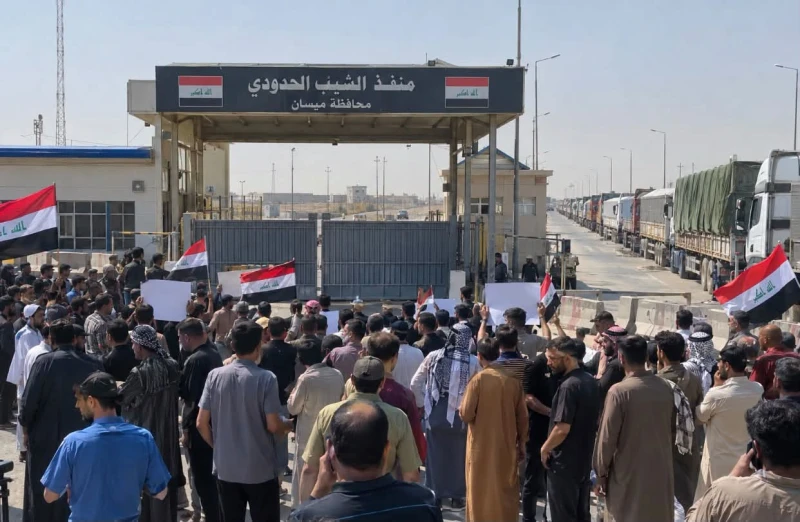
Iran has been rocked by nationwide protests since late last year, which have spread to the majority of provinces and increasingly targeted the government. The US-based Human Rights Activists News Agency (HRANA) has reported that Iranian security forces have killed more than 6,800 protesters and arrested over 50,000.
Tehran and Washington have traded jabs ever since the protests erupted, with increasing reports of military movement in the Persian Gulf from both sides.
On Tuesday, Iranian semi-official media said that the Islamic Revolutionary Guard Corps (IRGC) “lost contact” with a reconnaissance drone in the Strait of Hormuz after the UAV “successfully transmitted” its data.
CENTCOM earlier on Tuesday announced that a US fighter jet had “shot down” an Iranian drone in the Arabian Sea.
US President Donald Trump has repeatedly expressed his hopes to “make a deal” with Iran, warning of a potential military intervention if the two sides fail to see eye to eye.
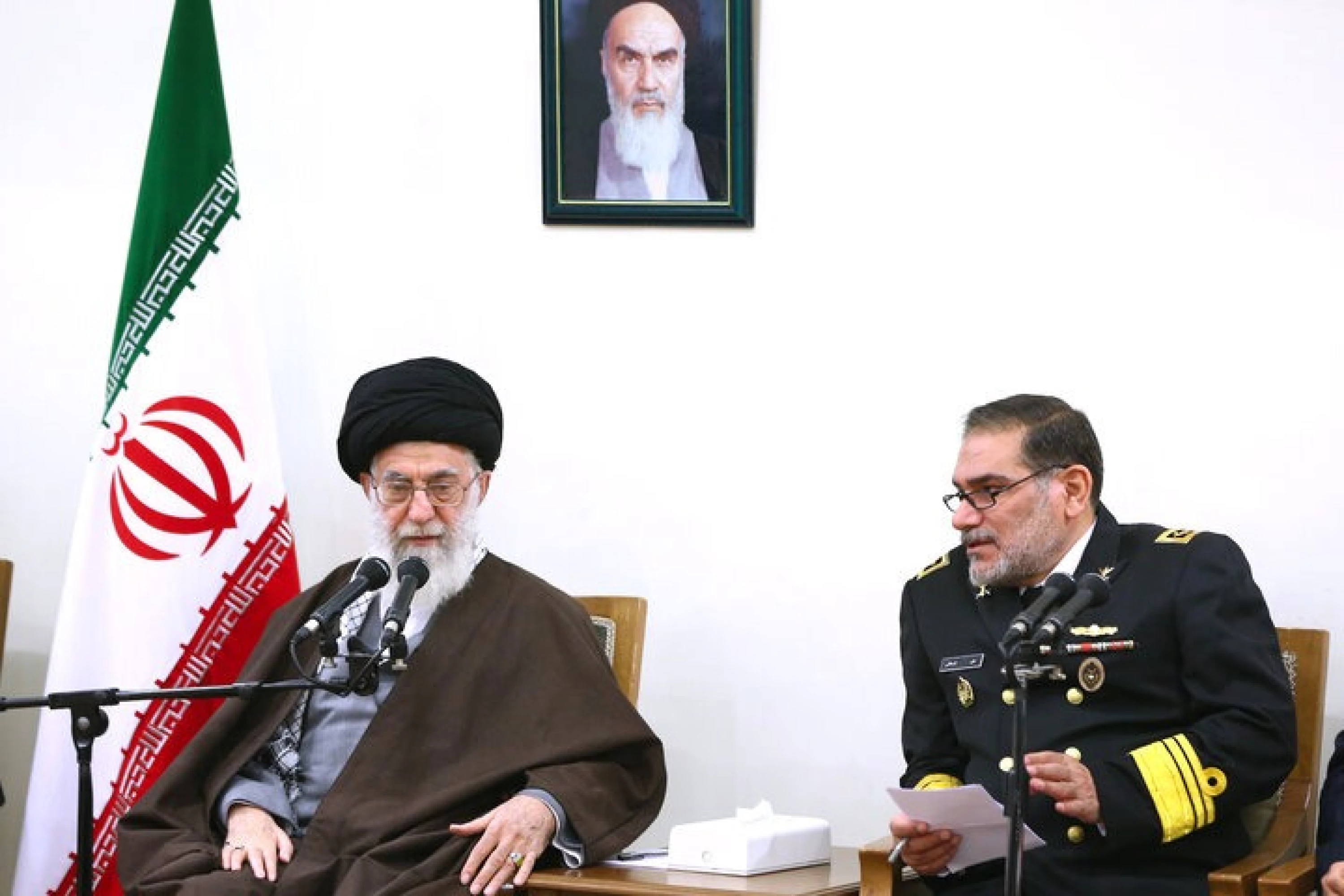
Ali Shamkhani, a top adviser to Iran’s Supreme Leader Ayatollah Ali Khamenei who has previously warned that any US attack on Iran would mark the “start of a war,” announced Tehran’s two main conditions for negotiations with Washington.
Shamkhani asserted that the talks should be carried out "away from atmospheres of threats and coercion tools" and the subject of negotiation "is solely on the nuclear issue,” he said during an interview with Al Mayadeen aired late Monday.
“Only then would reaching an agreement be possible,” Shamkhani said, stressing that talks should “avoid illogical and unreasonable demands” and highlighting the possibility of “direct and indirect meetings” with US officials.
While Iran remains under heavy international sanctions and pressure over its nuclear program, it has repeatedly said that its ballistic missile program is “not subject to negotiation,” insisting on its right to defend the country, as well as its right to pursue the peaceful use of nuclear energy.
Iran’s nuclear program has been a longstanding concern of the US, which has repeatedly demanded Tehran to curb its uranium enrichment. This combined with Iran’s violent crackdown on protesters despite US warnings, has prompted an increase in US military presence in the Gulf, dispelling fears of a potential military confrontation.
Earlier on Tuesday, Iranian President Masoud Pezeshkian said he has instructed Foreign Minister Abbas Araghchi to pursue negotiations with Washington.
 Facebook
 LinkedIn
 Telegram
 X
X