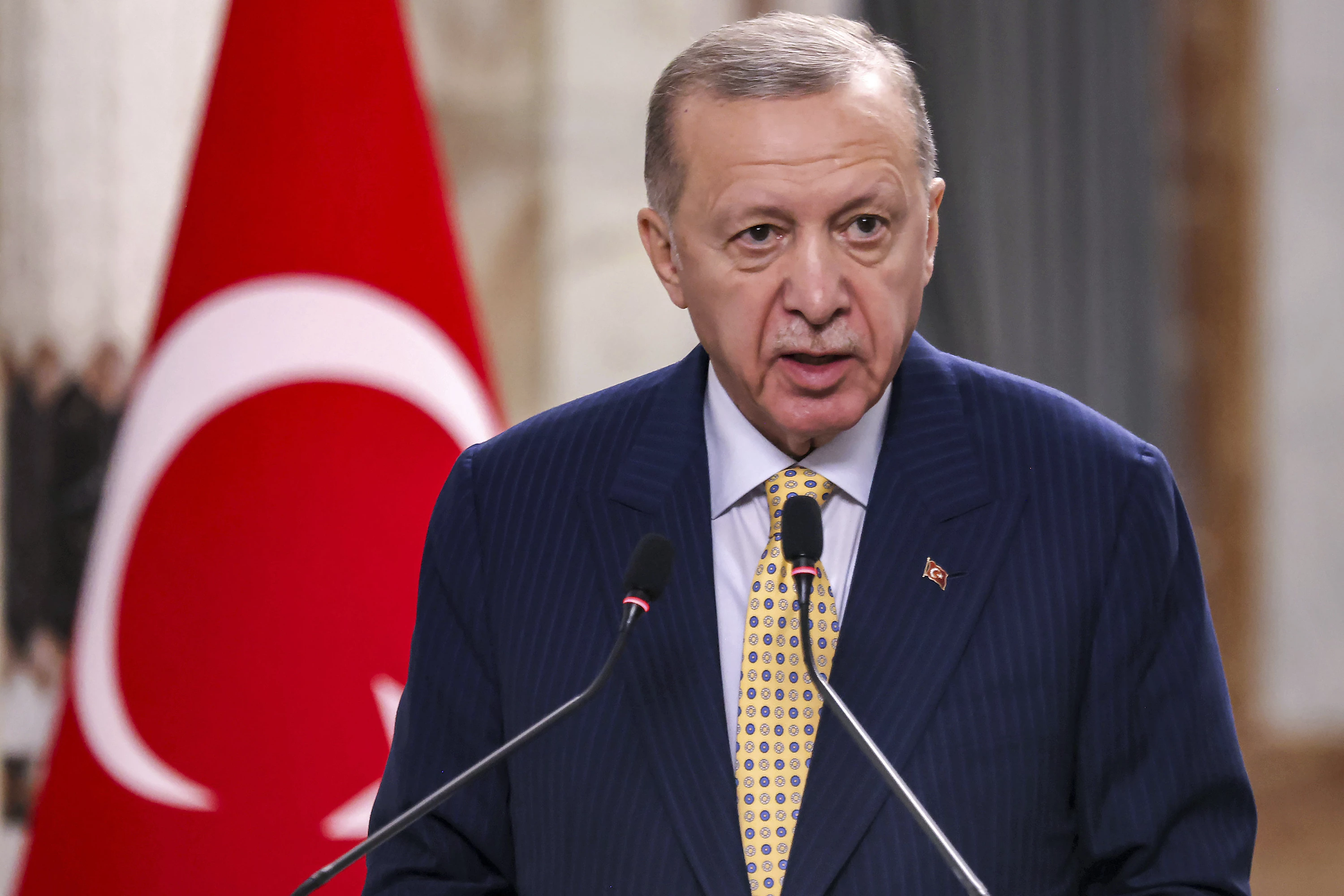
ERBIL, Kurdistan Region of Iraq – Turkish President Recep Tayyip Erdogan on Wednesday praised Damascus for implementing a new integration agreement with the Kurdish-led Syrian Democratic Forces (SDF), saying it had liberated Rojava (northeast Syria) from “occupation” and stressing that Ankara would not allow the pre-agreement situation to return.
In late January, the SDF announced a “comprehensive agreement” with Damascus for the phased integration of Kurdish-led forces into the Syrian state, following weeks of clashes. By early February, limited numbers of Syrian forces began entering Kurdish-held cities to exert their new governance roles.
“In the areas liberated from occupation by the recent operations, there is both goodwill and great expectation towards the new administration,” Erdogan said, praising his Syrian counterpart Ahmed al-Shaara for efforts to “get his country back on its feet as soon as possible” in a post on X.
“Hopefully, these newly blossoming hopes will not turn back into a harsh winter,” he said. “First and foremost, Turkey will not allow this.”
The Syrian military offensive saw hundreds of civilians lose their lives in the turmoil and ended the largely autonomous rule of the Kurdish-led Rojava authorities, which had long drawn Turkish condemnation over what Ankara perceives to be an inextricable link between the SDF and its perennial domestic foe, the Kurdistan Workers' Party (PKK).
Despite the PKK announcing in 2025 that it would dissolve and pursue its aims via wholly political means following a historic call from the group's imprisoned leader Abdullah Ocalan, Turkey, a key ally of the new Syrian government, has repeatedly called on Kurdish forces in Rojava to disarm and has pushed for the implementation of the latest integration agreement, warning of military action if they fail to comply.
On Saturday, the Kurdistan Communities Union (KCK) Executive Council co-chair Cemil Bayik said international powers have “turned a blind eye” to the Kurds in Rojava, accusing the West of favoring other states and political interests, such as Turkey.
The January clashes resulted in the breaching of several detention facilities in northern Syria housing veteran ISIS fighters, with a large number of detainees reported to have been released. Both sides, Rojava and Damascus, have accused the other of the security breaches.
 Facebook
 LinkedIn
 Telegram
 X
X