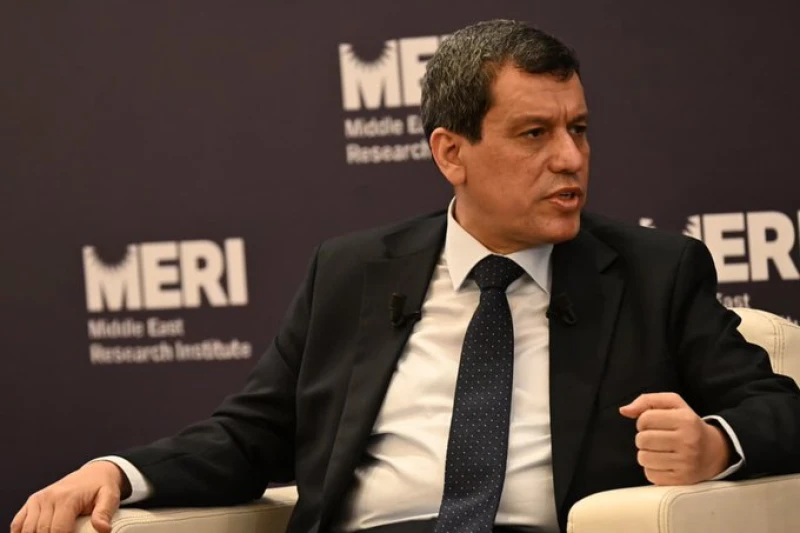
ERBIL, Kurdistan Region of Iraq – Commander of the Kurdish-led Syrian Democratic Forces (SDF) Mazloum Abdi on Saturday extended his gratitude to a US Congress delegation for supporting Kurds in Syria and introducing the “Save The Kurds Act” during the recent clashes in Syria between Damascus-affiliated forces and the SDF.
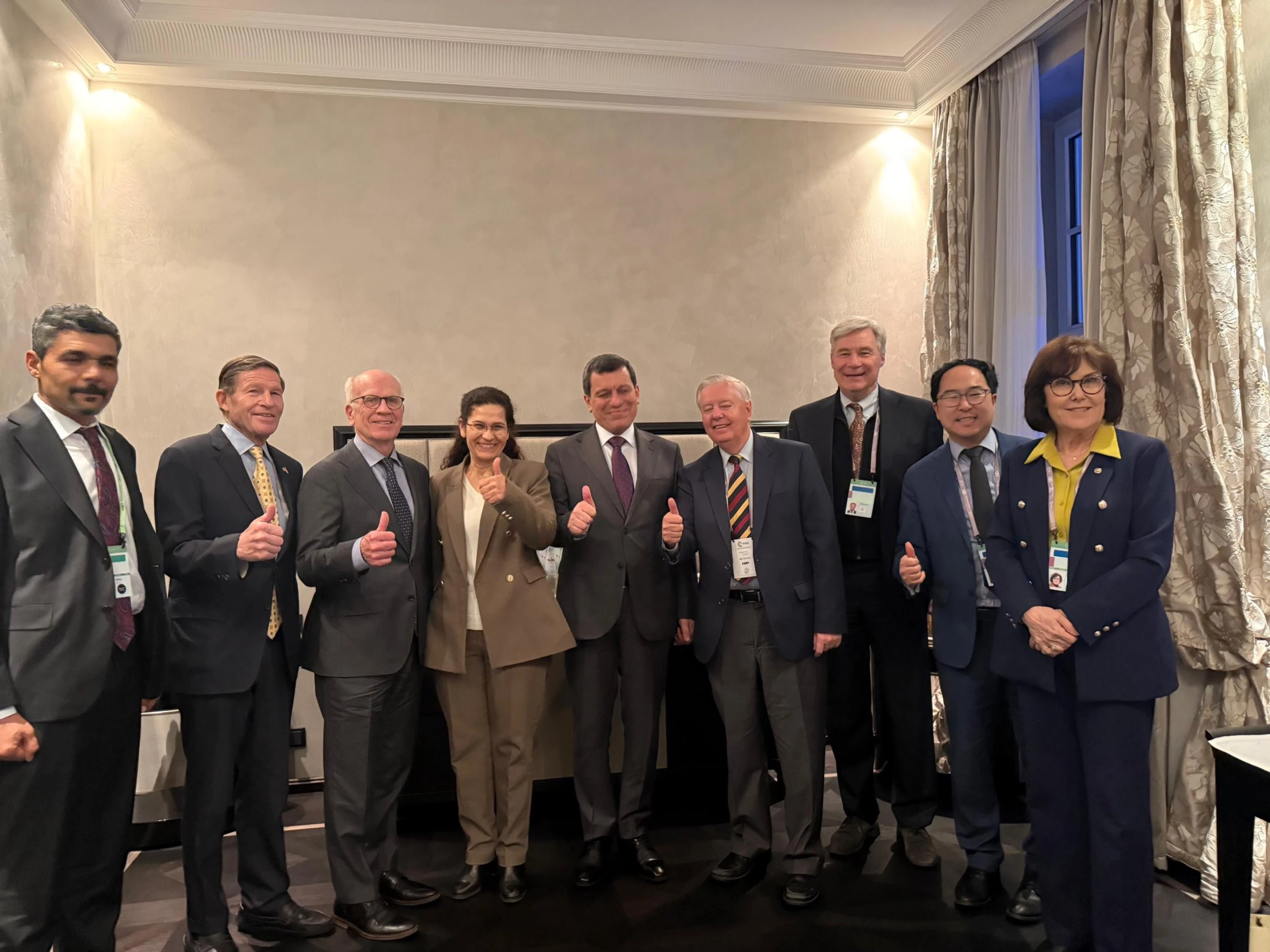
Abdi met with a congressional delegation headed by Senator Lindsey Graham, and consisting of Senators Sheldon Whitehouse, Jacky Rosen, Peter Welch, and Andy Kim, on the sidelines of the Munich Security Conference.
The SDF commander lauded the delegation's “crucial” role in supporting the Kurdish-led force, saying the lawmakers “maintained constant contact with us, hearing our calls and engaging with the evolving situation on the ground.”
Abdi said that the Congress members have provided “tangible support” for their cause through initiatives such as the “Save The Kurds Act,” which he described as “a significant step that we cherished.”
“We extend our sincere gratitude to all of them for their steadfast support of regional stability and their provision of invaluable assistance to Syria and its people during this pivotal moment. These esteemed members have and continue to serve as pivotal partners in the promotion of justice and freedom for our People,” Abdi wrote.
Graham emerged as an outspoken backer of Kurdish rights when Damascus-affiliated forces launched an attack on Kurdish-held areas in January. The veteran lawmaker introduced the Save the Kurds Act to the US legislature that threatened severe sanctions on Damascus and the redesignation of Hay’at Tahrir al-Sham (HTS) as a terrorist organization.
The SDF and Damascus reached an integration and ceasefire agreement in late January that halted the clashes between the two sides, setting in motion a phased integration process of the Kurdish-led forces into Syrian state institutions.
Abdi, along with the Rojava (northeast Syria) autonomous administration's co-chair of foreign relations, Elham Ahmed, joined Syrian Foreign Minister Asaad al-Shaibani in the Syrian delegation to participate in the Munich conference, indicating a substantial shift in the public appearance of the relationship between the Kurdish-led force and the transitional Syrian government.
 Facebook
 LinkedIn
 Telegram
 X
X