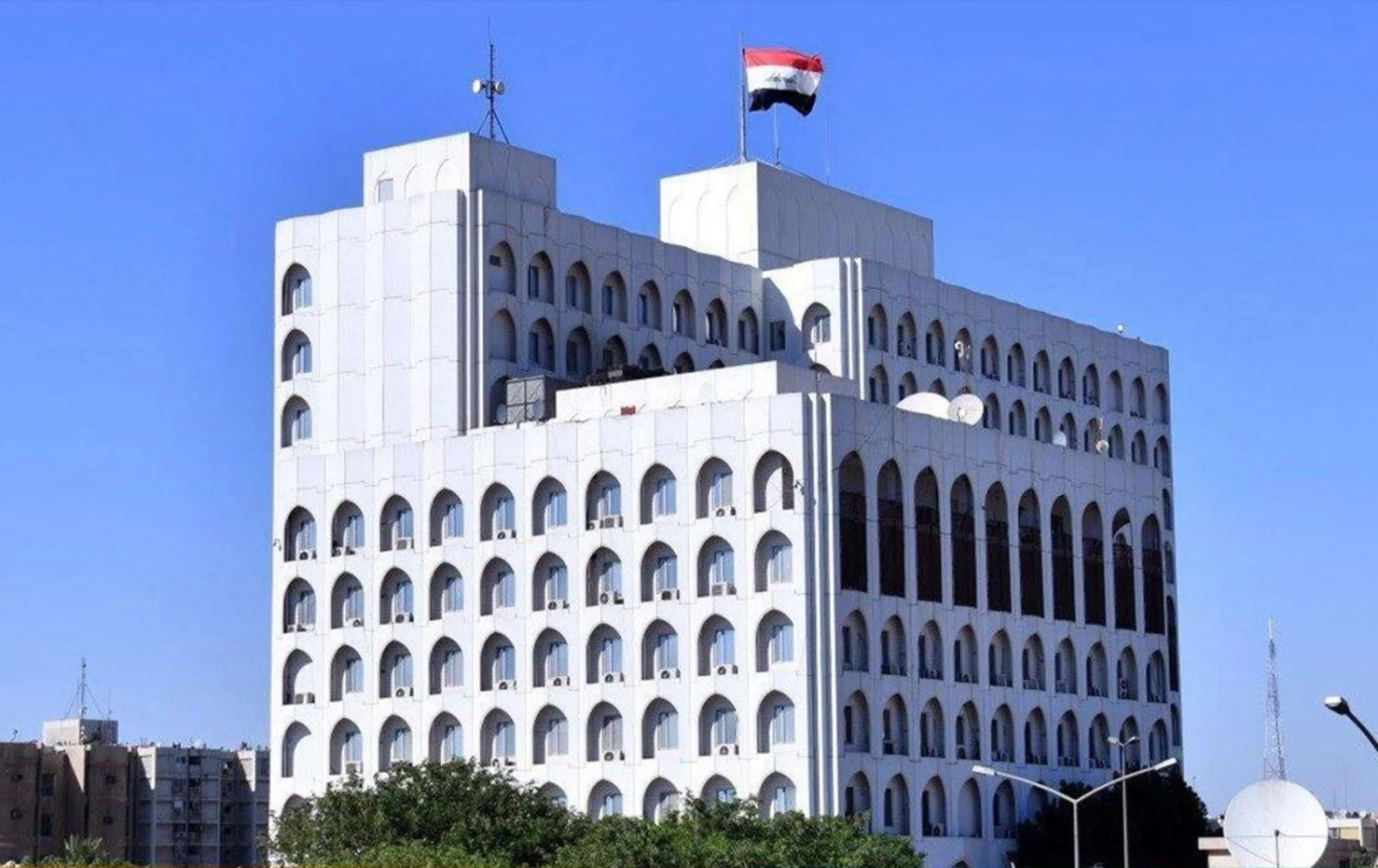
ERBIL, Kurdistan Region of Iraq – Iraq’s foreign ministry on Thursday confirmed that Washington had warned Baghdad of the possibility of sanctions if former Prime Minister Nouri al-Maliki were to take the premiership, clarifying remarks made by the foreign minister the day prior that had been widely interpreted as suggesting otherwise.
In a televised interview aired on Wednesday, Foreign Minister Fuad Hussein said that the US officials told Iraqi authorities that their relations with Baghdad are not “tied to specific individuals” but to institutions, and will continue to pursue financial, security, and institutional reforms in Iraq.
Hussein’s remarks sparked widespread media speculation that Washington had ruled out sanctions, despite US President Donald Trump’s explicit threats to halt support for Baghdad if Maliki were to return to office.
A foreign ministry clarification early Thursday stressed that Washington’s message to Baghdad included two points, with the first being a “clear and explicit hint” at the possibility of sanctions on “certain individuals and institutions.”
The second point highlighted by Hussein contains criteria related to cooperation, as well as “mechanisms of operations” for forming the next government.
“The minister had been focusing on the second paragraph, which made the context of his remarks appear as though he was ruling out the sanctions scenario,” the ministry said.
Despite Trump’s threats, Iraq’s ruling Coordination Framework in late January announced that it would keep Maliki as its nominee for the country’s next prime minister, arguing that the selection of the premier is a “purely Iraqi constitutional matter” and rejecting “external dictates.”
However, a political bureau member of the pro-Iran Sadiqoun bloc told The New Region on Wednesday that he had spoken to three leaders in the ruling body, who informed him that "they have withdrawn their support for Nouri al-Maliki; accordingly, those who oppose Maliki have become six leaders out of a total of 12 leaders."
Maliki previously served two terms as prime minister from 2006 to 2014, stepping down during his second term after major security setbacks linked to the rise of the Islamic State (ISIS), amid long-standing allegations of corruption.
His tenure also saw him draw the ire of Washington over his perceived closeness to Iran and for allowing Tehran to increase its influence in the country.
The former premier’s State of Law Coalition came in third place in Iraq’s recent parliamentary elections, securing 29 seats out of the 329-seat legislature.
 Facebook
 LinkedIn
 Telegram
 X
X