ERBIL, Kurdistan Region of Iraq - More than 1,700 people were killed and nearly 200,000 displaced during a wave of violence in Syria’s Suwayda province in July, according to a report released Friday by a United Nations investigative body which said that war crimes were possibly committed during the violent episode.
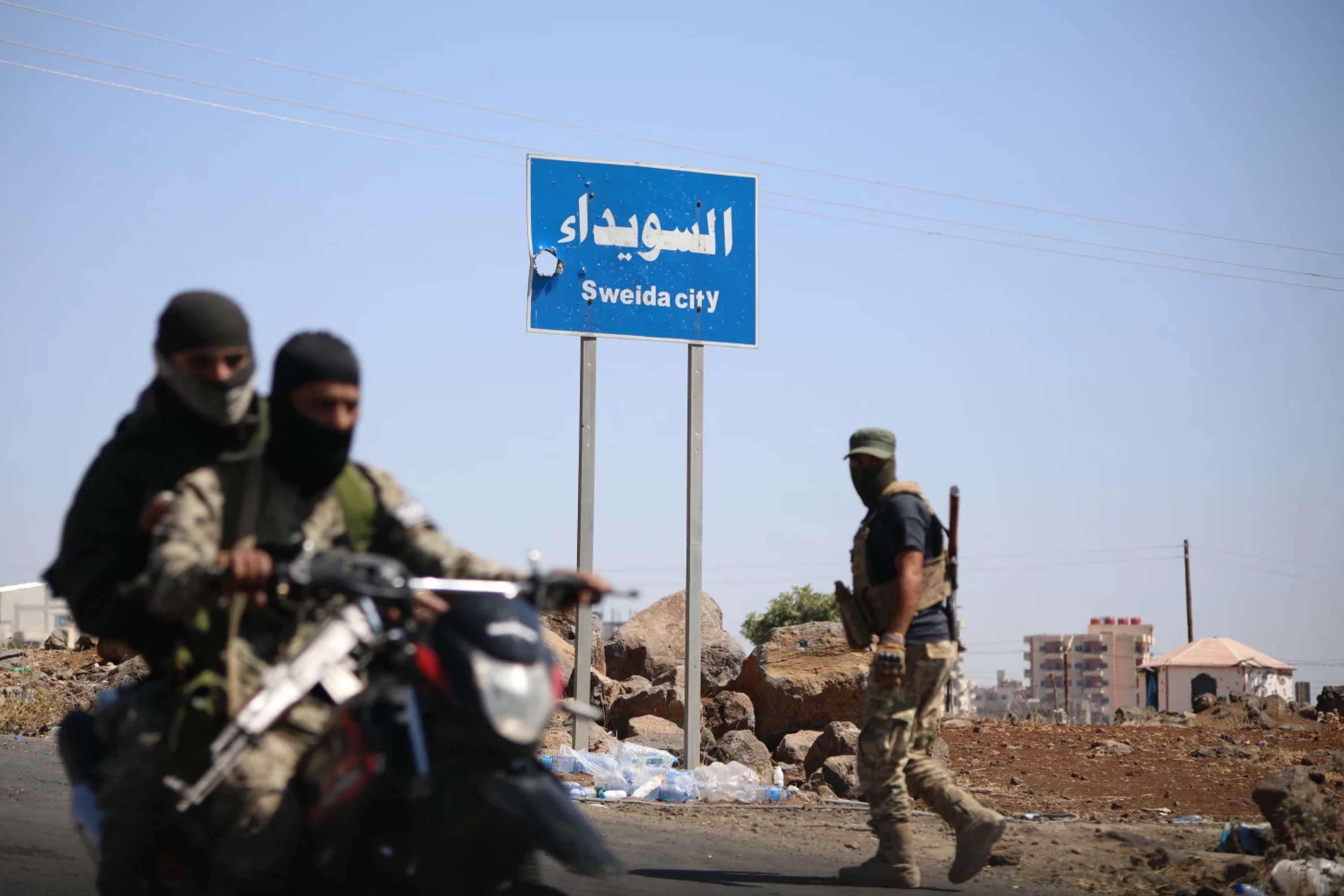
With a Druze-majority population, Syria's southern province was embroiled in a flash of sectarian violence in the summer of 2025, pitting local militias from the religious minority against the new Syrian state under the leadership of interim President Ahmed al-Sharaa.
The Independent International Commission of Inquiry on the Syrian Arab Republic said the violence unfolded in three phases and involved multiple actors, including Damascus government forces, Druze armed groups, and tribal fighters.
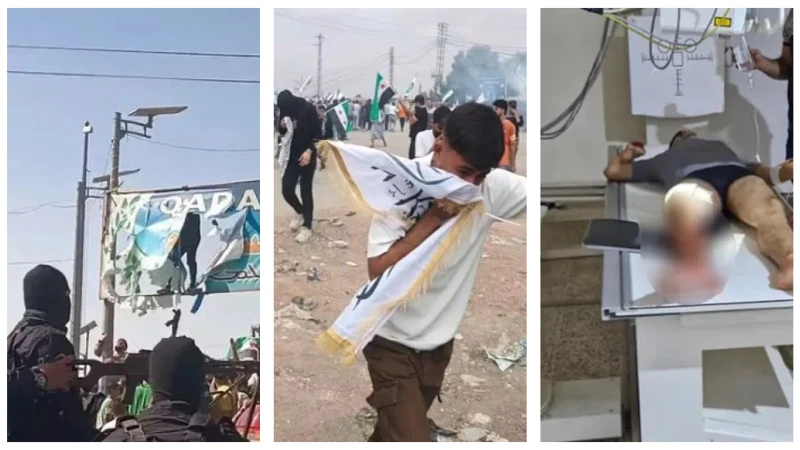
Investigators said the first and deadliest phase, between July 14 and 16, saw Syrian government forces and allied fighters target Druze civilians. Men were separated from their families and executed, while others were killed in homes and on the streets.
After government forces withdrew following Israeli airstrikes, Druze armed groups launched retaliatory attacks against Bedouin civilians on July 17, carrying out killings, torture, and forced displacement that drove most of the community from affected areas.
A third phase followed later that same day, as tribal fighters mobilized and attacked Druze areas in retaliation. Entire villages were burned and looted, and civilians were killed or abducted, with some government personnel allegedly joining the assaults after removing their uniforms.
The commission said the violations documented, including executions, torture, sexual violence, and widespread destruction of property, may amount to war crimes and could constitute crimes against humanity if proven to be part of a broader systematic attack.
“The scale and brutality… is deeply distressing,” said Brazilian legal scholar Paulo Sergio Pinheiro, calling for accountability across all parties.
The report was based on hundreds of witness accounts and field visits and described large-scale destruction in Druze-majority areas, where homes, businesses, and places of worship were burned.
According to the findings, the majority of those killed were civilians. The toll included over 1,100 Druze men, along with women and children, as well as dozens of Bedouin civilians. At least 225 government personnel were also reported killed, many in Israeli airstrikes.
Commissioner Fionnuala Ni Aolain said the findings raise concerns that some attacks may have been carried out in an organized and systematic manner.
The violence also included abductions and enforced disappearances, with dozens of people still missing. Survivors from both communities reported incidents of sexual violence, though the full extent remains under investigation.
The report said Israel’s military actions contributed to escalating tensions, while online incitement and misinformation further fueled retaliatory attacks.
Nearly 155,000 people, mostly from Druze areas, remain displaced and unable to return home, while most of the Bedouin population is still living in temporary conditions months later.
Monia Ammar said all parties must ensure accountability, facilitate the return of displaced civilians, and prevent further violations.
The Syrian government has announced the detention of 23 security personnel in connection with the events, but the commission said details on higher-level responsibility remain unclear.
 Facebook
 LinkedIn
 Telegram
 X
X