ERBIL, Kurdistan Region of Iraq - Iraq’s agriculture ministry announced Friday a temporary suspension of the transit of live animals arriving from Syria and heading toward Iraq and Gulf states following reports of the spread of “foot and mouth disease in several Syrian provinces.”
The ministry said the measure was a “preventive and precautionary step aimed at protecting Iraq’s livestock wealth and preventing the cross-border spread of epidemic diseases,” while stressing that “veterinary and health procedures are being applied strictly and without discrimination.”
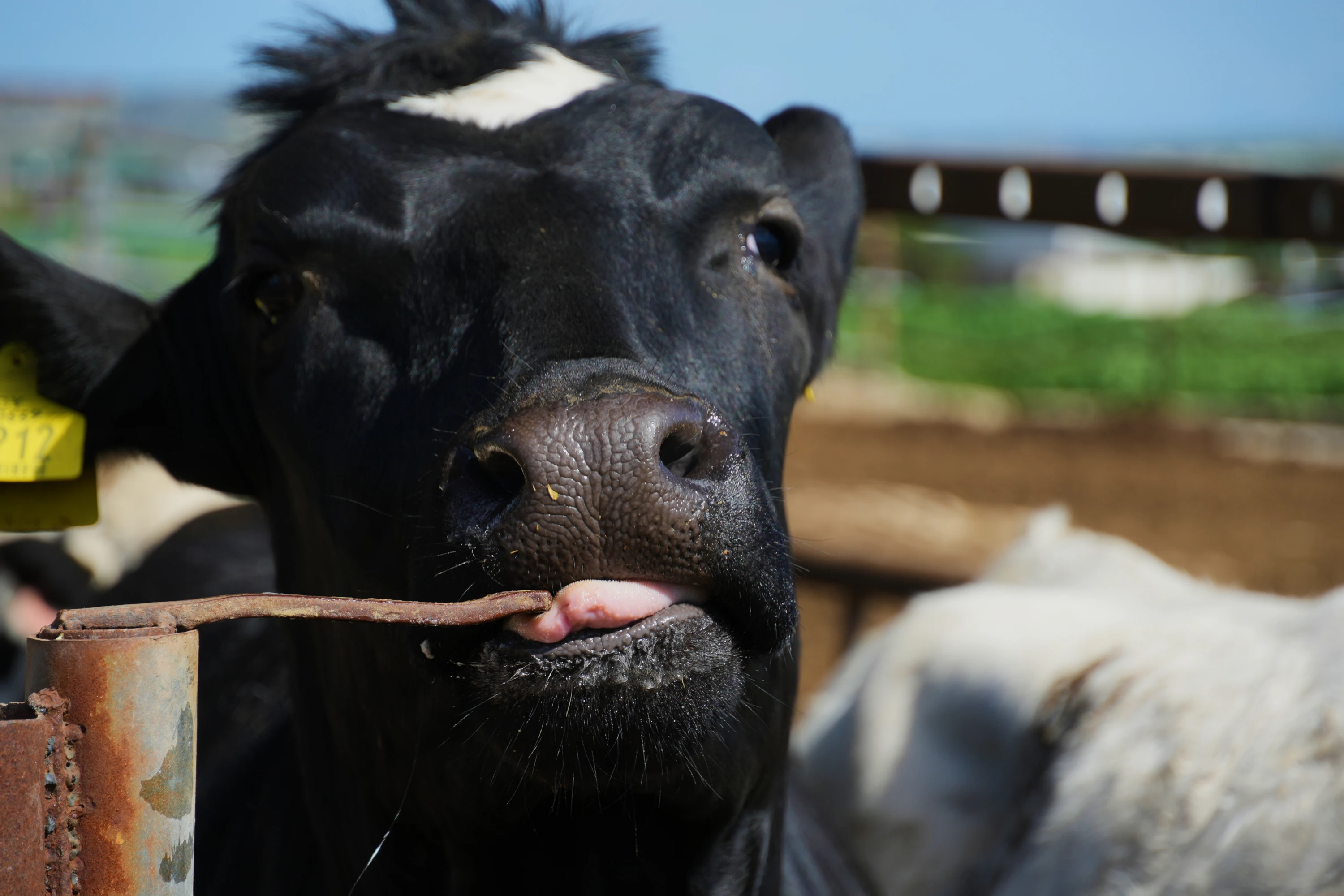
Foot and mouth disease is highly infectious and can pose devastating outcomes for the agricultural sector, affecting animals including cows, sheep, goats, and water buffalo. Its symptoms manifest through blisters on the hooves and mouths of infected animals and can often prove fatal.
The ministry said the decision was based on official reports, epidemiological monitoring systems, and continued media follow-up of the health situation in neighboring countries.
In a related statement, the ministry warned against what it described as attempts to spread misleading information aimed at confusing the public and undermining confidence in the veterinary measures being implemented.
It added that protecting food security, public health, and Iraq’s livestock sector from epidemic risks remained its top priority.
In January, the UN's Food and Agriculture Organization (FAO) held, working with both the Iraqi and Kurdistan Region agriculture ministries, launched a project titled "Emergency Control of Foot-and-Mouth Disease (FMD) Outbreaks in Iraq and Syria and Prevention of Its Transmission to Lebanon and Jordan," bringing together veterinary specialists "to enhance their skills in early disease detection, surveillance, risk assessment, and emergency response planning."
 Facebook
 LinkedIn
 Telegram
 X
X