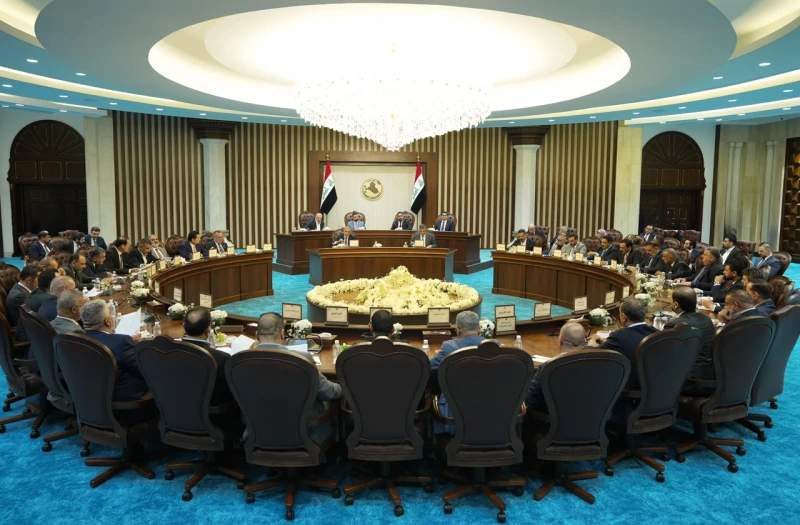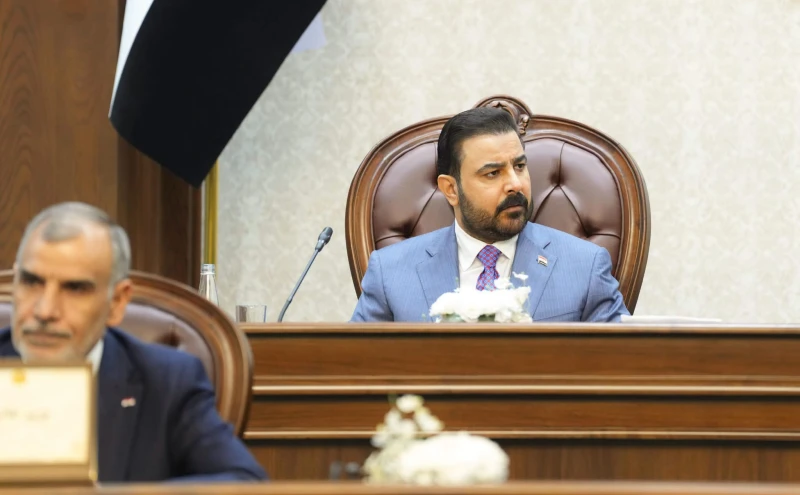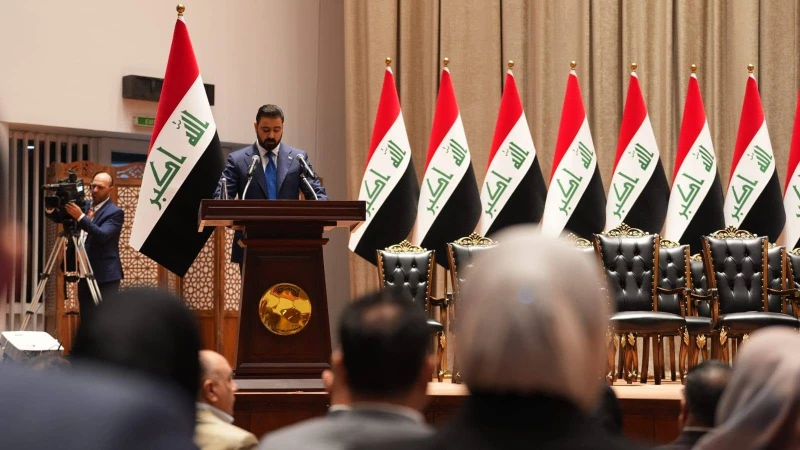
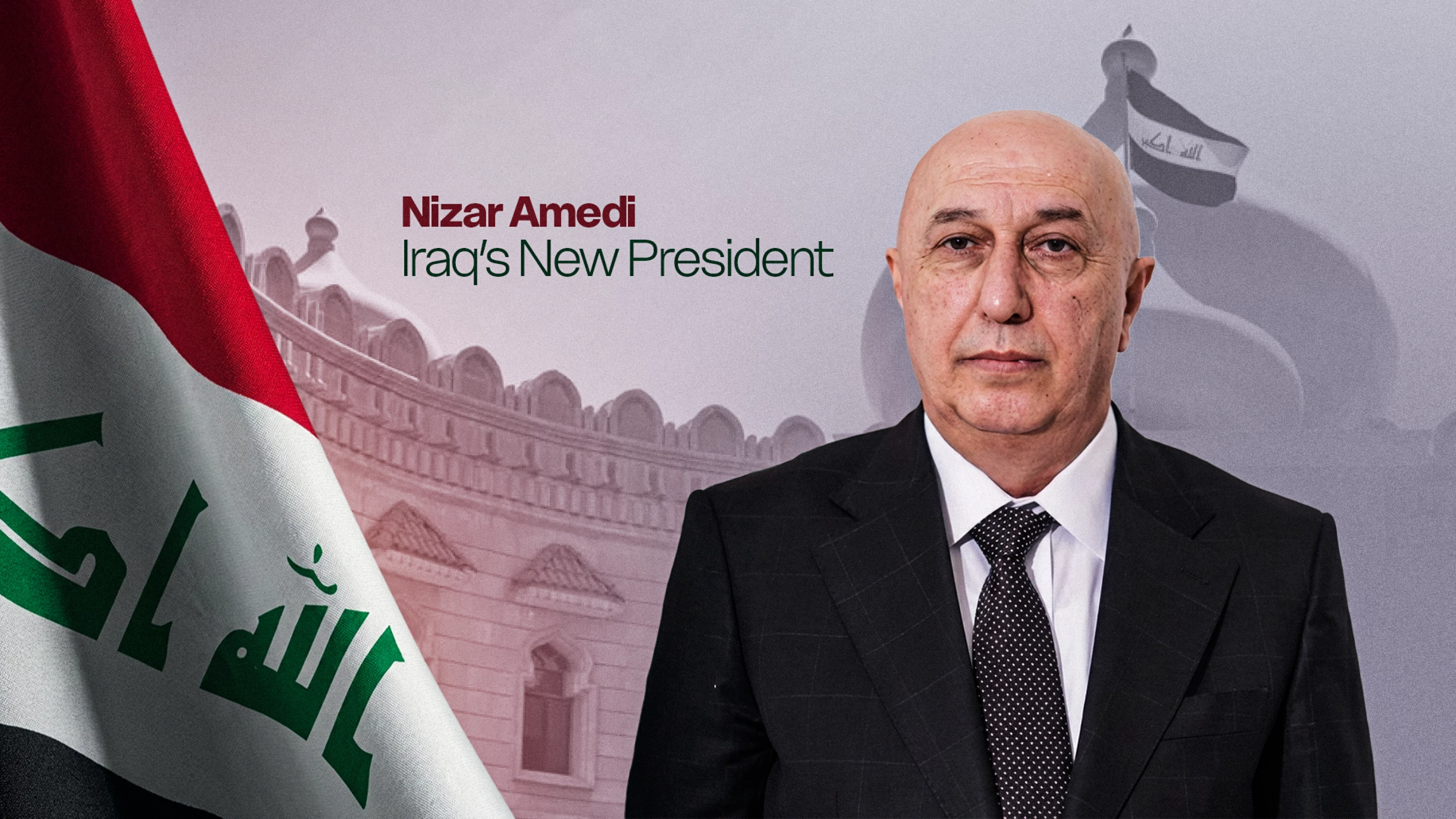
ERBIL, Kurdistan Region of Iraq - The Patriotic Union of Kurdistan's (PUK) Nizar Amedi was elected Iraq's next president on Saturday, being chosen for the position in the second round of voting after a contested process that saw some blocs abstain from attending the parliamentary session.
Initially scheduled for 11 am, the session of the Iraqi parliament began hours later when quorum was reached with 223 lawmakers in attendance. 252 MPs voted in the first round, while the second round saw 249 ballots cast.
The elections went to a second round after none of the candidates managed to obtained the required two-thirds majority to secure the post. Amedi bested the Kurdistan Islamic Union's (KIU) Muthanna Amin in the second round with 227 votes to 15, and was officially announced the country's next president.
In January, the PUK nominated Nizar Amedi as the party’s candidate for the Iraqi presdiency. The newly-elected president is a former Iraqi environment minister.
Nizar Mohammed Saeed Mohammed was born in 1968 in the Kurdistan Region’s Duhok province and holds a degree in mechanical engineering from the University of Mosul.
Amedi has held senior positions within the PUK, including head of its Baghdad political bureau. He previously served as environment minister from 2022 to 2024 and has acted as an advisor to former Iraqi presidents.
According to the Iraqi constitution, Amedi now has 15 days to task the prime ministerial nominee of the largest parliamentary bloc with the formation of the government.
The prime minister-designate is then charged with naming the members of his cabinet within thirty days, or they will be replaced by the president if the cabinet fails to be formed in a timely manner.
State of Law Coalition leader Nouri al-Maliki was positioned as the most likely candidate for the premiership following the November elections, but his ambitions were hampered after US President Donald Trump threatened to cut off support for Iraq should he be elected to the office.
The ruling Shiite Coordination Framework has yet to formally withdraw Maliki’s candidacy or announce a new nominee, but the threats from Washington have severely crippled any attempts to move forward with the government formation process.
The Kurdistan Democratic Party (KDP), the State of Law Coalition, and the Hoquq Movement boycotted Saturday's decisive session, citing continued disputes and the absence of a unified position on who should assume the key role.
On Friday, the KDP said it will not attend the Iraqi parliament’s session, calling the push to hold the session without a national consensus “a blatant disregard for the essence of national partnership.”
Before the voting began, Incumbent Iraqi President Abdul Latif Rashid withdrew from the presidential race, saying he did so to avoid contributing to “increased polarization and weakening unity,” according to a statement from his office.
“We are proud of the achievements made, particularly the redress of the grievances of Halabja and the granting of its constitutional rights as a province,” said the outgoing president.
 Facebook
 LinkedIn
 Telegram
 X
X