ERBIL, Kurdistan Region of Iraq – The United Arab Emirates on Tuesday announced that it will exit the OPEC and OPEC+ oil cartels starting May 1, in a shift to focus on advancing its “national interests.”
The decision comes following a “comprehensive review” of the country’s production policy, and its current and future capacity,“ particularly given the ongoing near-term geopolitical volatility stemming from disruptions in the Arabian Gulf and the Strait of Hormuz, which are impacting supply dynamics,” the Emirati energy ministry said.
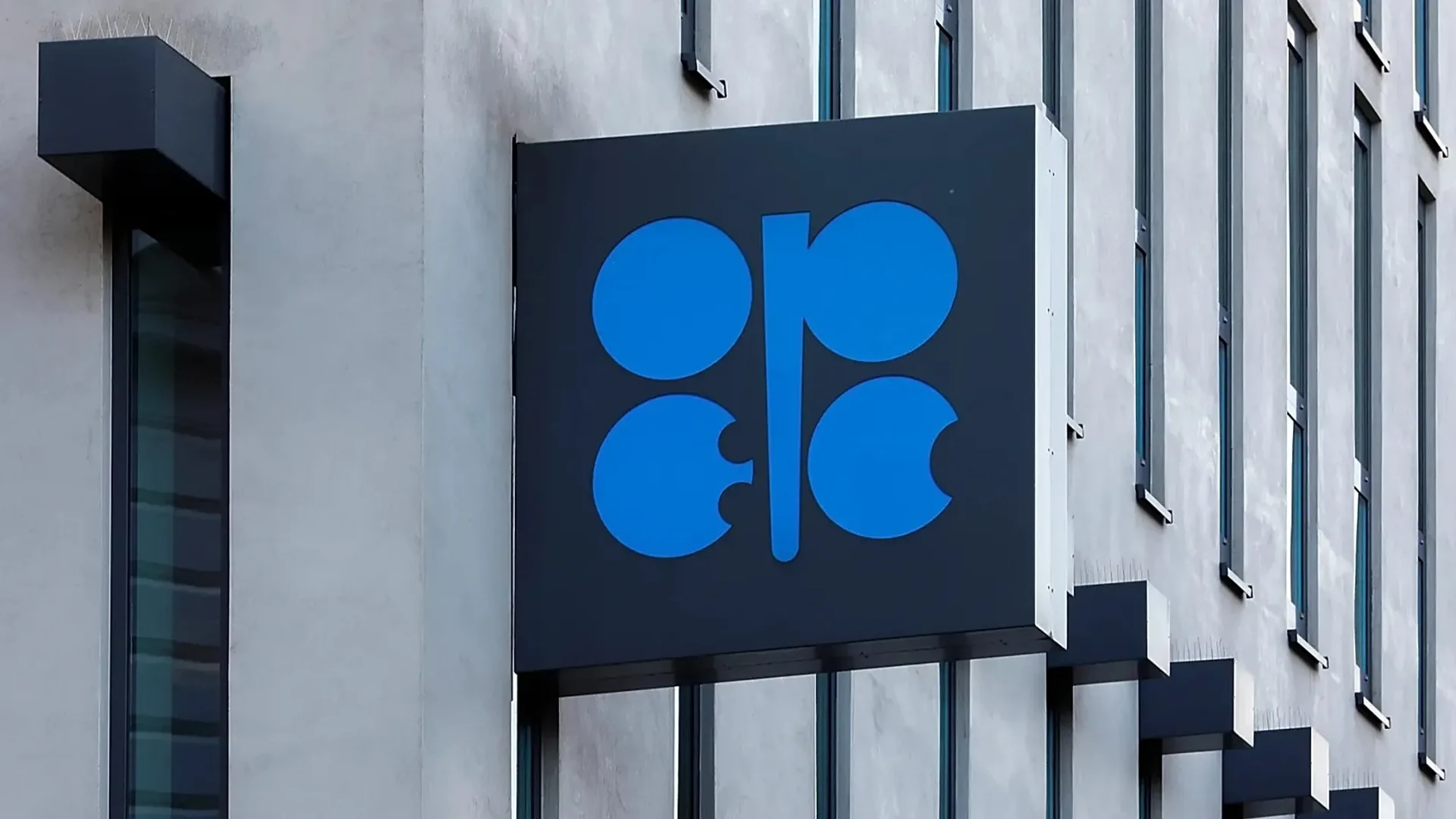
Established in 1960 in Baghdad, the Organization of the Petroleum Exporting Countries (OPEC), is an international intergovernmental body of oil producers. The Emirate of Abu Dhabi joined the group in 1967, and its membership was transferred to the UAE after its establishment in 1971.
OPEC regulates the price of oil, by coordinating and dictating the production level of its members, which account for nearly 40 percent of the world's crude production.
“We thank OPEC and its member countries for decades of constructive cooperation. We remain committed to energy security, providing reliable, responsible, and lower-carbon supply while supporting stable global markets,” the energy ministry said on X shortly after the initial announcement.
The UAE’s oil production was cut in half last month due to the US-Israeli war on Iran and its economic impacts, recording 2.2 million barrels per day, down from over 4 million before the conflict, and the closure of the vital Strait of Hormuz.
The country officially aims to boost production capacity to five million barrels per day by 2027.
“With a large and competitive resource base, the UAE will continue to work with partners to develop resources, supporting economic growth and diversification,” the ministry further noted.
The UAE was the fourth biggest producer in OPEC+ before the US-Israeli war on Iran, behind Saudi Arabia, Russia, and Iraq.
 Facebook
 LinkedIn
 Telegram
 X
X