ERBIL, Kurdistan Region of Iraq - Syria has extended the deadline for receiving citizenship applications from Kurds in the country by 15 days after an increase in submissions, an official said on Thursday, coming after a January presidential decree extended citizenship rights to Kurds who endured decades of statelessness.
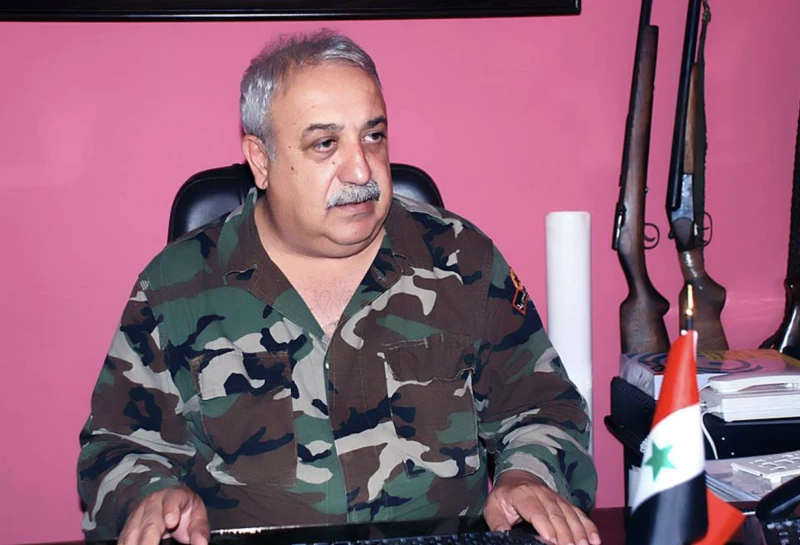
Abdullah Abdullah, director of Syria’s Civil Status Department, told Syrian state media that authorities would continue accepting applications at centers in al-Jawadiyah, Hasakah, and Qamishli as an extension of a process that began on April 4.
“This extension comes with the aim of completing the receipt and organization of files according to the approved legal procedures,” Abdullah said.
He added that the move reflects the Interior Ministry’s effort to “give all applicants the opportunity to submit their requests and ensure files are studied accurately and fairly.”
The extension follows a decree issued by Syrian President Ahmed al-Sharaa on Jan. 18 granting Syrian nationality to all residents of Kurdish origin living in Syria, including stateless residents affected by a controversial 1962 census in Hasaka province that stripped around 120,000 mostly Kurdish residents of their nationality.
The census in question, ordered by a governor who called local Kurds “invaders,” stripped roughly 120,000 people, mostly Kurds, of their citizenship, creating a large stateless population.
Those with limited documentation were labeled ajanib (foreigners), while those who failed or refused to participate were classified as maktoumeen (unregistered).
The stateless population grew over decades, reaching more than 517,000 by 2011, according to the Personal Status Department and the NGO Syrians for Truth and Justice.
Sharaa's decree stated that newly naturalized citizens would have “full equality in rights and duties,” while also offering linguistic and cultural rights guarantees as a reconciliatory gesture following a January offense by Damascus into Rojava (northeast Syria), which, at the time, enjoyed a large degree of regional autonomy under Kurdish-led rule.
Despite the appointment of officials in the Rojava administration and the Syrian Democratic Forces (SDF) within the integrated Damascus government, tensions have often flared within Kurdish-majority areas who reject Sharaa's centralizing ambitions.
On Thursday, footage emerged showing demonstrators removing the Arabic and English signage on Hasaka's Justice Palace that replaced a previous Kurdish language version, chanting "Kurdistan!" all the while.
Locals in the city of Hasaka in Rojava (northeast Syria) protest and remove a sign on the Justice Palace in English and Arabic that replaced a previous sign that contained the Kurdish language, chanting “Kurdistan!” pic.twitter.com/Jobw4C0ApZ
— The New Region (@thenewregion) May 7, 2026
The committees are operating in several provinces, including Aleppo, Deir ez-Zor, Raqqa, and Damascus, in addition to five committees in Hasaka province, aimed at allowing residents to submit applications locally without traveling between provinces.
 Facebook
 LinkedIn
 Telegram
 X
X