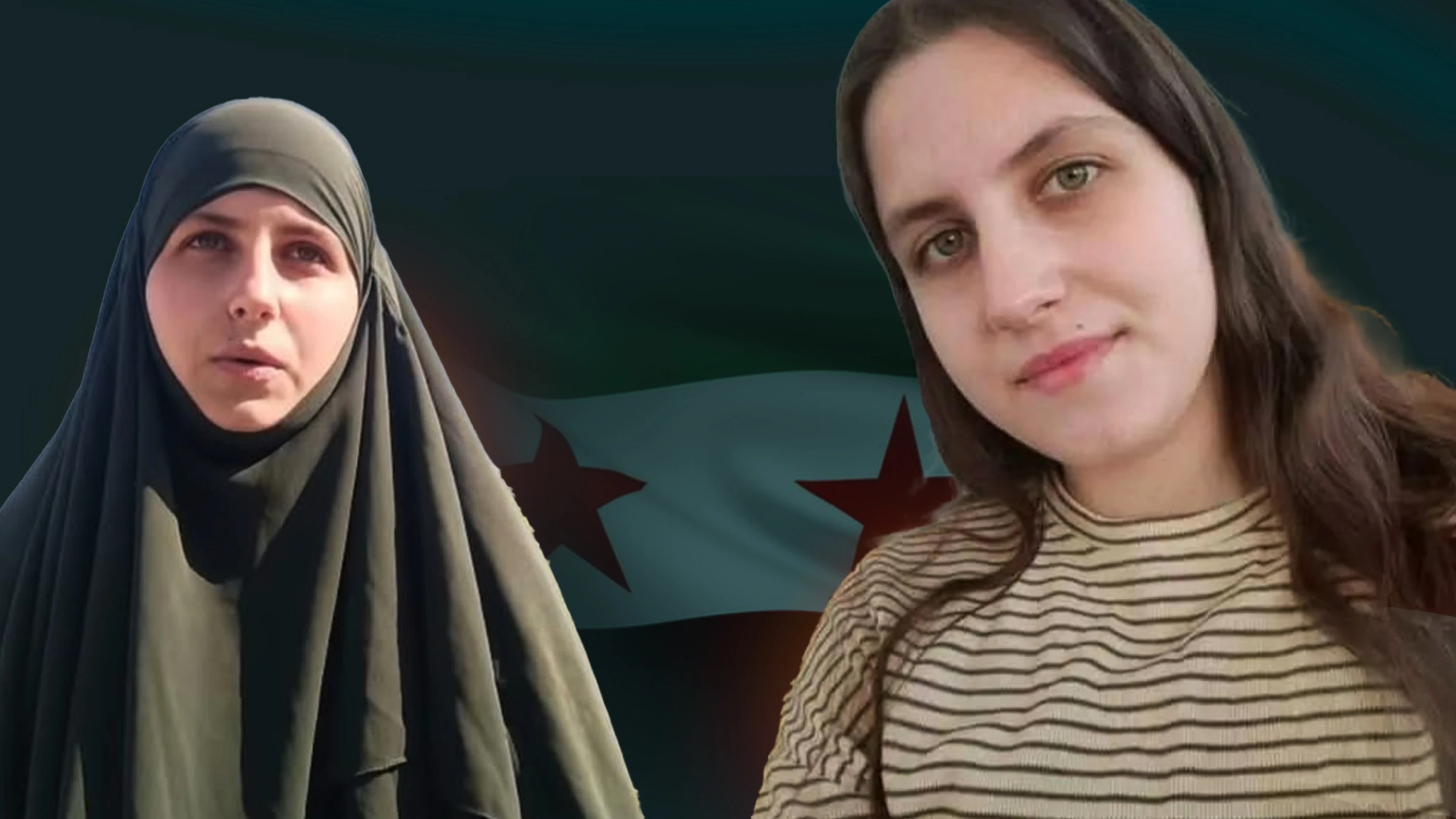
ERBIL, Kurdistan Region of Iraq - The Supreme Alawite Islamic Council in Syria and the Diaspora on Thursday urged that an investigation be held into the disappearance and subsequent religious conversion of an Alawite student in Jableh, with her family rejecting claims she left voluntarily amid a growing wave of abductions of women pertaining to the minority faith.
In a statement, the council said Batoul Suleiman Alloush, a student at Tishreen University in Latakia, was kidnapped on April 29 before later appearing in a video saying she had left “of her own free will” after converting to another sect.
The council rejected the claims made in the video, saying “the student had been subjected to pressure, fear, and terror,” and described the incident as part of a broader pattern involving alleged abductions of Alawite women and girls.
“This incident is not the first of its kind,” the council said, alleging that other women from the Alawite community had also been forced to record videos denying they were abducted or coerced.
Comprising a substantial minority of the Syrian population, the Alawite faith emerged as an offshoot of Shiite Islam in the ninth century. The community has endured sectarian violence from extremist groups such as the Islamic State (ISIS), who deem their beliefs and practices to be heretical.
In a video appeal circulated online, Alloush’s mother said her daughter had been kidnapped and forced to film the video declaring that she had changed her sect and left willingly.
Her parents insisted the statements attributed to their daughter were false and made under coercion.
Following her disappearance, a handwritten letter allegedly attributed to Alloush also circulated online alongside a photo of her identification card.
The letter began with the Islamic greeting “Peace be upon you” and claimed that she had left home voluntarily, converted and traveled in what it described as “migration for the sake of God.” It also called on social media users to delete posts related to her case.
Family members and supporters questioned the authenticity of the letter, arguing that its language reflected hardline Islamist rhetoric and did not resemble the student’s usual way of speaking.
They also viewed the request to remove online posts about the case as suspicious and aimed at reducing public attention around her disappearance.
The council expressed solidarity with the student’s family and demanded her immediate return while guaranteeing her safety and the safety of her relatives.
It also called for an independent international investigation into what it described as the “file of abducted women” and to determine their fate.
Disappearing Alawite women
The case comes amid mounting fears within Syria’s Alawite community over the disappearance of women and girls in the country’s coastal region following the fall of former President Bashar al-Assad.
The turmoil following the rise of current interim President Ahmed al-Sharaa to power saw violent clashes in Latakia, an Alawite stronghold, with estimates suggesting that over 1,000 members of the minority were killed during the skirmishes.
The Alawite community has repeatedly expressed its concern that Sharaa's government will promote a hard-line Sunni Islamist stance and fail to protect minorities, with members of the Druze religion in the country's south also have engaged in clashes with government forces.
An investigation published by The New York Times documented a series of cases involving missing Alawite women and girls from areas including Latakia, Tartous, and nearby coastal towns, where families alleged that many had been abducted under mysterious circumstances.
The report said relatives in several cases accused armed groups or individuals linked to hardline factions of carrying out the disappearances, while families claimed authorities either failed to seriously investigate the incidents or dismissed the allegations.
According to the investigation, many families searched for months with little information about the fate of their daughters, with some saying they received threats or were discouraged from speaking publicly about the cases.
The investigation also documented incidents in which some missing women later appeared in videos, voice recordings, or written statements claiming they had left voluntarily, converted, or married by choice.
However, relatives interviewed by the newspaper rejected those claims and said the statements appeared scripted or made under pressure.
The report said the cases intensified fear and anger among many Alawites, particularly in the aftermath of sectarian violence and growing insecurity in Syria’s coastal areas.
Families interviewed by the newspaper described living in fear, with some saying they no longer allowed daughters to travel alone or attend university without accompaniment due to concerns over further disappearances.
 Facebook
 LinkedIn
 Telegram
 X
X