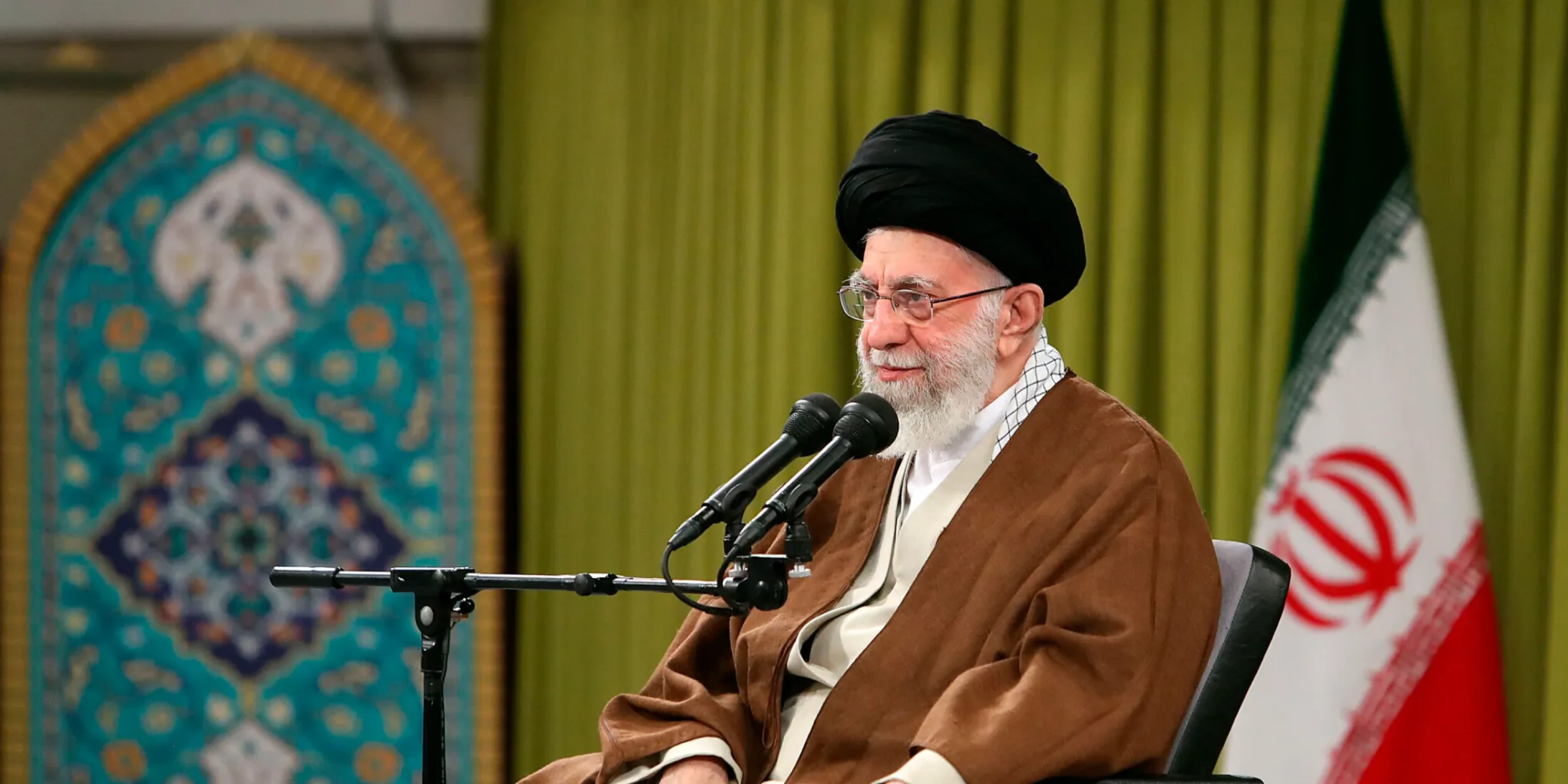
ERBIL, Kurdistan Region of Iraq – The late Iranian Supreme Leader Ayatollah Ali Khamenei is set to be buried in his hometown of Mashhad on July 9, over 130 days after he was killed in a US-Israeli strike in February.
On February 28, Ali Khamenei, 86, from Mashhad, was killed in a US-Israeli strike on his compound in Tehran. He served as Iran’s highest political and religious authority for nearly 37 years, making him the country’s longest-serving leader since the 1979 Islamic Revolution.
Since his death in late February, no official funeral ceremony has been held for Khamenei.
“We inform the honorable and mourning public that the farewell, funeral, and burial ceremonies of the holy body of the martyred Imam Mujahid and his family members,” the office dedicated to the preservation and publication of the his works said, regarding Khamenei and his family's funeral, with his daughter, granddaughter, son-in-law, and daughter-in-law having been killed in the same strike.
The funeral will begin on July 4 and 5 in Tehran, described as a “farewell ceremony for the holy body.”
On July 6, the body will be moved to Qom, where another farewell ceremony is scheduled for July 7, the birthplace of the Islamic Republic and core base for its ruling Shiite ideology.
And finally, after almost 130 days, on July 9, “Funeral ceremony in the holy Mashhad and burial in the heavenly shrine of Imam Reza” will be held in the hometown of the late Supreme Leader.
The statement said the burial will coincide with the 24th of Muharram and the night marking the martyrdom of Imam Sajjad, a key figure in Shiite Islam who survived the Battle of Karbala and carried forward the legacy of Imam Husayn.
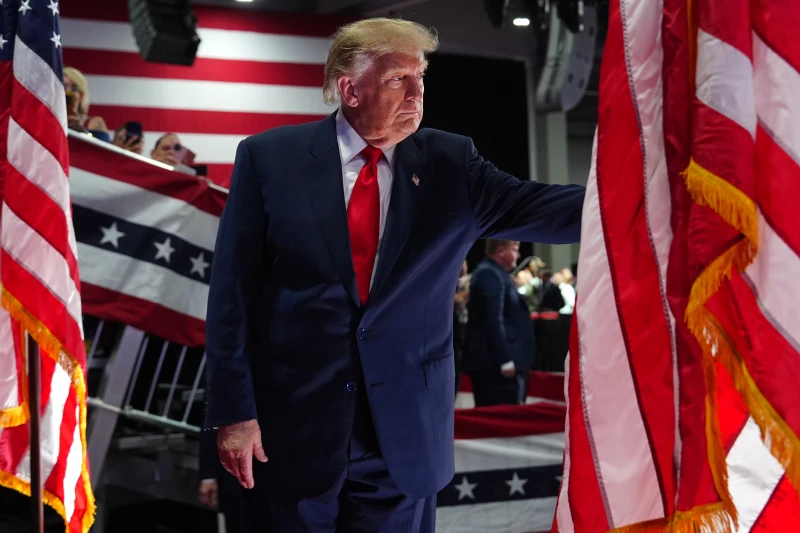
The developments come as Iran and the US have agreed on the content for a peace proposal, with US President Donald Trump hinting that a deal could be signed over the weekend.
Khamenei was a leading opponent of the US and Israel, advancing the Islamic Republic’s ideology by supporting regional proxies against both countries and calling for their elimination.
Khamenei’s son, Ayatollah Mojtaba Khamenei, who was elected as the new supreme leader, has not made any public appearances since assuming the position. Only written statements and letters have been published under his name.
This has given rise to speculation that he was severely wounded in the same strike, raising doubts regarding his effective control over the country's affairs.
Khamenei was in direct command of harsh crackdowns on protests, particularly after the disputed 2009 election, leading to the deaths and repression of thousands.
The military, judiciary, and state media, along with key bodies that vet election candidates, are under his control.
He was not designated a terrorist but has been sanctioned by the United States and the European Union, facing asset freezes, travel bans, and financial restrictions.
In 1981, during his early years as a senior official, Khamenei survived an assassination attempt when a bomb hidden in a tape recorder exploded during a speech, severely injuring his right arm.
 Facebook
 LinkedIn
 Telegram
 X
X