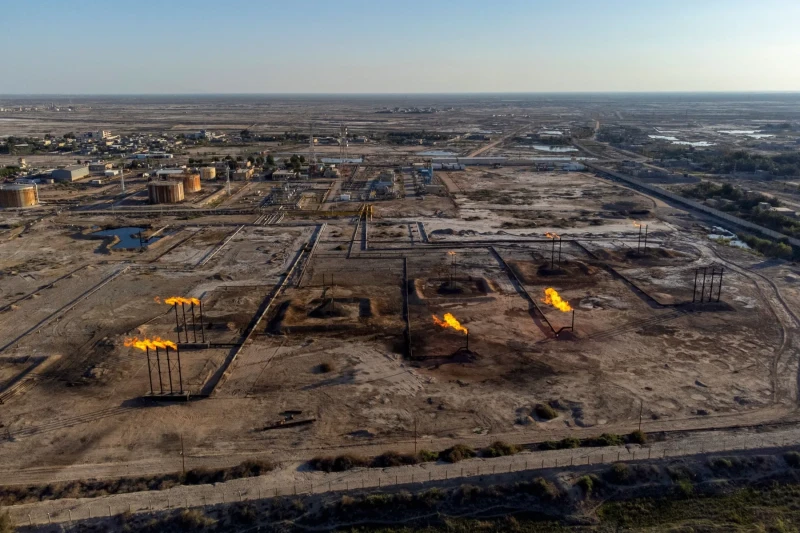
ERBIL, Kurdistan Region of Iraq - US Treasury Secretary Scott Bessent announced Monday that a “temporary” 60-day license has been granted by Washington to authorize “the production, delivery, and sale of Iranian oil,” as part of the framework reached in negotiations with Iran in Switzerland.
The first round of negotiations between the sides since the reaching of a memorandum of understanding (MoU) concluded early Monday in the luxurious Burgenstock Resort in Lucerne, giving rise to the formation of a “High Level Committee” that seeks to achieve an enduring peace deal in the coming 60 days.
Point ten of the MoU, which has been signed by both US President Donald Trump and Iranian President Masoud Pezeshkian, details that the “US Department of Treasury will issue waivers for the export of Iranian crude oil, petroleum products and derivatives, and all associated services including banking, transactions, insurances, transportation, etc.”
“In line with the ongoing productive talks in Switzerland, Iran has committed to free and open transit in the Strait of Hormuz and to permit International Atomic Energy Agency (IAEA) inspectors into their country,” Bessent wrote on X.
“As part of the framework, Treasury has issued a temporary 60-day general license authorizing the production, delivery, and sale of Iranian oil.”
The license, issued by the Treasury's Office of Foreign Assets Control, lifts previous restrictions on Iranian oil exports and permits their importation into the US, adding that “any payment of funds owed to Iran, the Government of Iran, or any blocked person for the purchase of crude oil, petrochemical products, or petroleum products of Iranian origin... may be made in US dollar-denominated funds.”
The license notes that transactions involving persons or entities “located in or organized under the laws” of North Korea, Cuba, and Russian-occupied territories in Ukraine are not authorized under its terms.
Washington's permitting of Iranian oil operations serves as a major boon to Tehran's economy and serves as a trust-building gesture as the peace process continues to unfold.
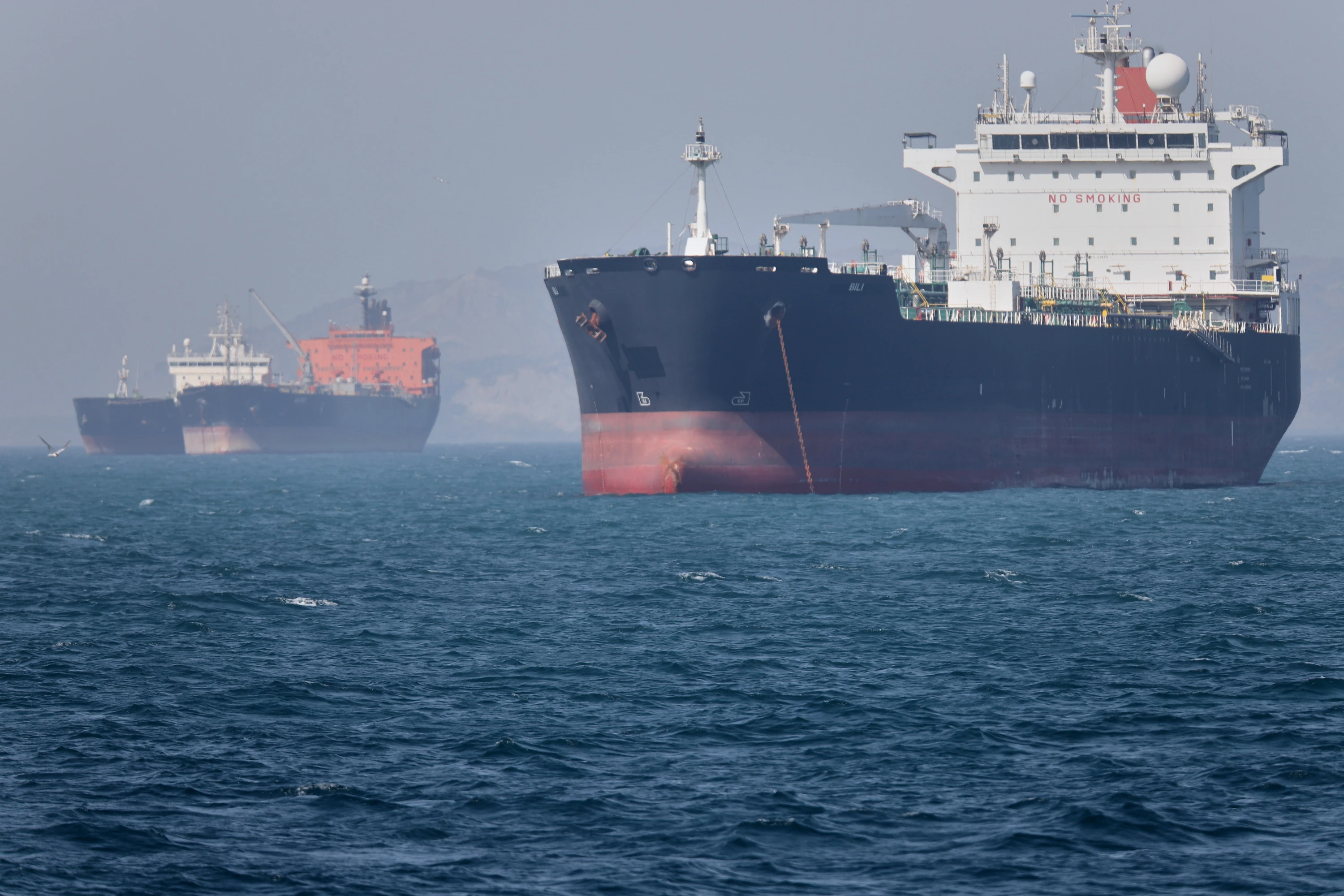
Key to any progress in negotiations is Iran allowing commercial vessels to transit the Strait of Hormuz, the wartime closure of which disrupted global oil markets and led Trump on Wednesday to let slip that the US maintained merely four more weeks' worth of oil reserves, stressing that “bedlam” would ensue should a deal with Iran not be made.
“What this [deal] does is it allows the ships to go,” the president said at a G7 summit in France. “If we keep bombing, those ships won’t be going.”
Despite the digital signing of the memorandum, hostilities have continued in Lebanon as Israel and Hezbollah exchange heavy fire, with the two sides blaming each other for violating a ceasefire agreement.
Iran’s Khatam al-Anbiya Central Headquarters on Sunday announced that the strategic waterway had been closed once more over Washington's failure to implement point one of the MoU, which insists upon a total ceasefire that includes Lebanon.
However, US Central Command (CENTCOM) later insisted that the strait remained open for passage, with the conflicting accounts stressing the tenuous nature of the peace process as Washington struggles to rein in its Israeli ally amid heavy domestic pressure to secure a lasting accord.
 Facebook
 LinkedIn
 Telegram
 X
X