ERBIL, Kurdistan Region of Iraq – The Green Iraq Observatory warned on Monday that aquatic life in the Euphrates River is “not suitable” for human consumption and that the river remains heavily polluted, citing record-low water levels and declining environmental conditions.
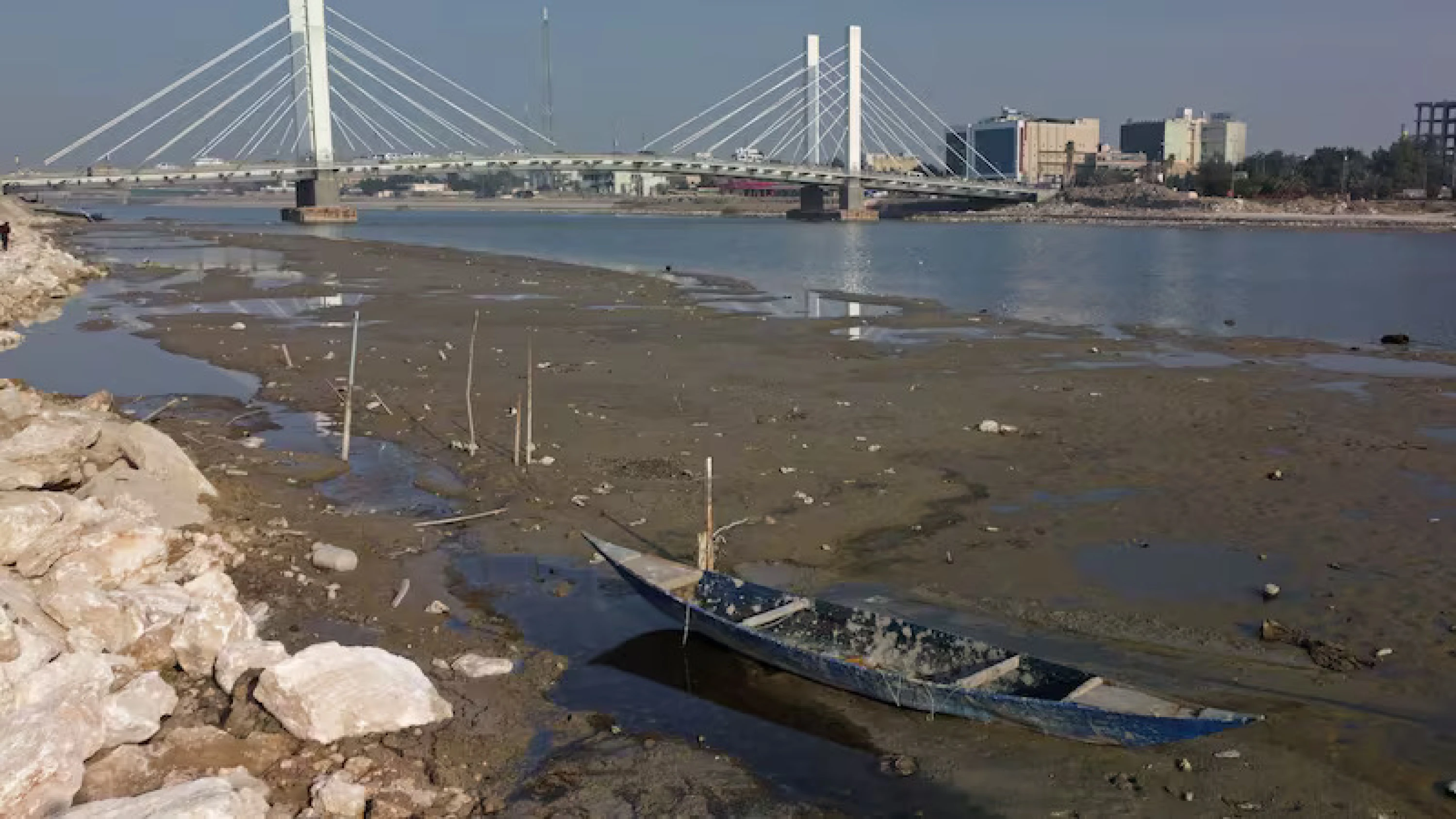
In a statement, the environmental monitor said the river has reached “its lowest water levels in decades,” particularly in central and southern Iraq, which has “worsened the pollution crisis that threatens the entire aquatic ecosystem.”
The group said it observed “a record decline in its levels, leading to an increased concentration of pollutants and the stopping of water flow in some parts of the river.”
It attributed the heavy pollution to several factors, such as hospital waste being discharged directly into the river, invasive aquatic plants, and other growth that have slowed its flow and reduced oxygen levels, harming fish and other aquatic life.
According to the observatory, the river receives large amounts of agricultural wastewater containing chemical fertilizers and salts, as well as sewage water. Some chemical substances in the river have exceeded permitted levels.
The deterioration could force more people to leave marshland and rural areas as fish stocks decline and water shortages affect livelihoods, the observatory said, adding that Iraq has lost more than 500 buffaloes in recent years because of water scarcity, while 70 percent of agricultural land has become unproductive due to shrinking water supplies.
Heavy rainfall and flash floods swept across Iraq late last winter, bringing a temporary boost to water reserves after months of severe drought. The water resources ministry said rainfall increased water stored in dams by about one billion cubic meters, although officials cautioned that reservoir levels remained well below capacity and that the threat of drought persisted.
Iraq has long accused upstream Turkey and Iran of reducing water flows into the country through dam construction and river diversion projects. Turkey has built large dams on the Tigris and Euphrates rivers, including the Ilisu and Ataturk dams, while Iran has dammed and diverted tributaries that flow into Iraq.
Newly appointed Water Resources Minister Muthanna al-Tamimi said in May that his ministry would work to develop relations with both countries, stressing the need to establish “direct relations with the water authorities in these countries, with the aim of securing water quotas.”
Water shortages remain a major challenge for Iraq as declining river flows, drought, and climate change put pressure on water supplies.
Iraqi officials have repeatedly warned that low water levels threaten agriculture, economic activity, and the country’s long-term water security.
 Facebook
 LinkedIn
 Telegram
 X
X