ERBIL, Kurdistan Region of Iraq - US Secretary of State Marco Rubio on Tuesday said that there can be no “complete“ end to the hostilities in the Middle East as long as “Iranian proxies are launching missiles and drones from Iraq.“
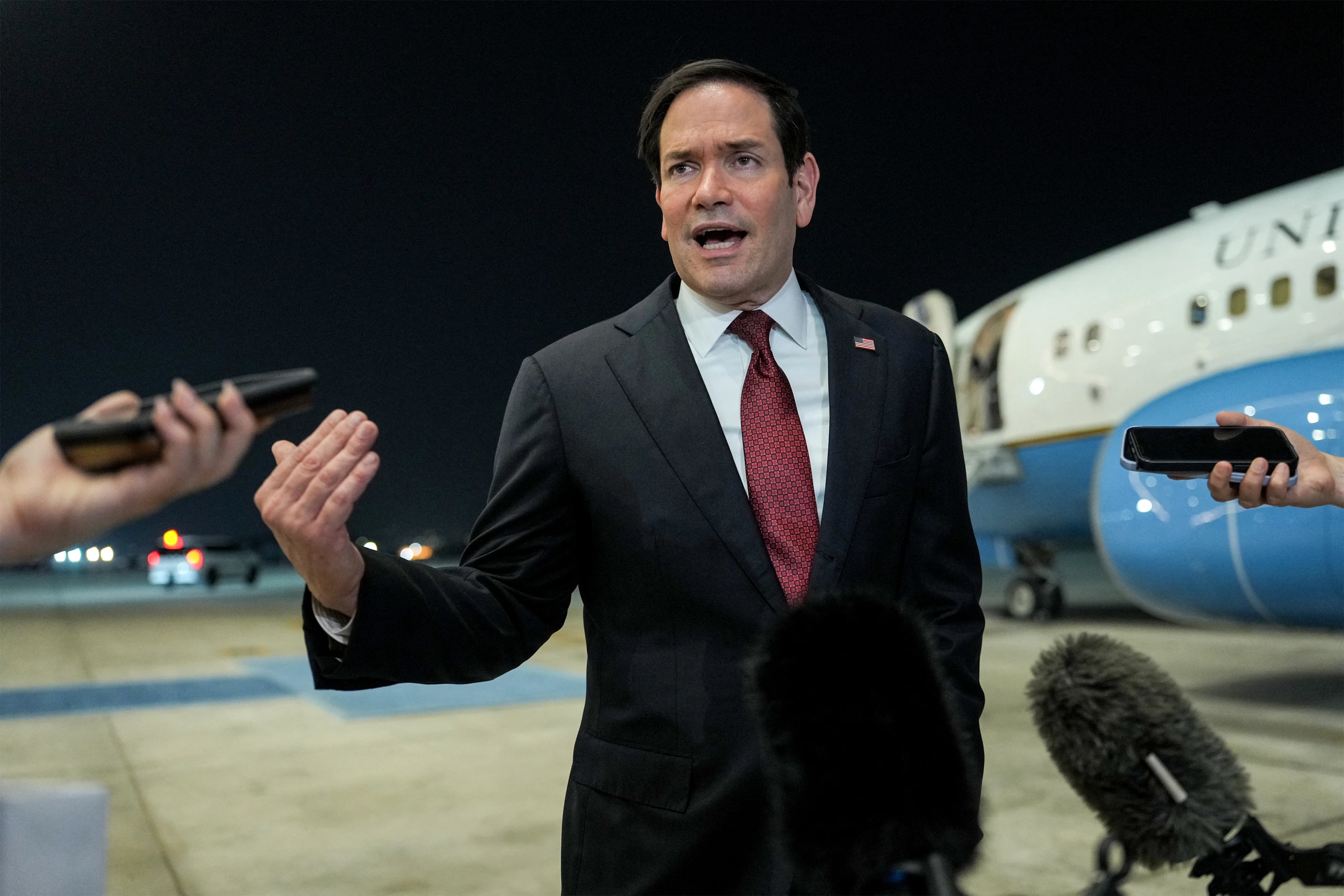
Speaking upon his arrival in the UAE ahead of a Gulf tour in which he is set to meet with key US allies targeted by Iran during the recent conflict, Rubio accused pro-Iran groups within Iraq of “participating in terrorism like Hamas did and Hezbollah did.“
During the US-Israeli war on Iran that commenced in late February, an assortment of armed factions within Iraq targeted US military and diplomatic facilities, as well as launching strikes on energy infrastructure and hotels in the Kurdistan Region.
After Washington and Tehran digitally signed a peace memorandum of understanding (MoU) on Wednesday, tensions have flared over Israel's continued bombardment in Lebanon, with Iran having threatened to withdraw from the negotiating process and claiming that Israeli actions constituted a violation of Article One of the 14-point agreement, which states that hostilities must be ended in all theaters, including Lebanon.
“I think a careful reading of the MoU will see that when you talk about, for example, a complete end of hostilities in the entire region, well that's not possible. You can't have the end of hostilities and conflicts in the region as long as Iranian proxies are launching missiles and drones from Iraq,“ the secretary told reporters upon his arrival in the Emirates.
Rubio's remarks came in response to a question asking if his Gulf trip seeks to reassure allied states amid the ongoing peace process, many of whom were targeted extensively by Iran and Iran-aligned Iraqi groups during the conflict.
In mid-May, Reuters reported that both Saudi Arabia and Kuwait had conducted kinetic strikes against the latter such groups in Iraq in response to drone and missile attacks emanating from Iraqi soil.
The actions of pro-Iran militias have alarmed Baghdad, creating a diplomatic quagmire for Iraq as new Prime Minister Ali al-Zaidi scrambles to quicken efforts to restrict weapons to the hands of the state and rein in armed groups.
Since the formation of the new Iraqi cabinet, several pro-Iran Iraqi factions have already announced their willingness to hand over weapons and integrate into the state security apparatus, with some also declaring willingness to sever their ties with the Popular Mobilization Forces (PMF).
 Facebook
 LinkedIn
 Telegram
 X
X