ERBIL, Kurdistan Region of Iraq - The US has not requested that Israel withdraw its troops from southern Lebanon, Israeli Defense Minister Israel Katz stated Wednesday, despite “the territorial integrity and sovereignty of Lebanon“ being a non-negotiable demand for Tehran under the Memorandum of Understanding (MoU) with Washington.
“We have announced that in any case we are not withdrawing and, as of this moment – and this is a diplomatic achievement – there is no American demand for Israel to withdraw from Lebanon,“ Katz said in an interview at an assembly of local officials in Tel Aviv.
Katz later added he had informed US Defense Secretary Pete Hegseth and Israeli Prime Minister Benjamin Netanyahu that “we are there to protect the residents of the north,” when asked whether his government would comply if such requests were made by US President Donald Trump.
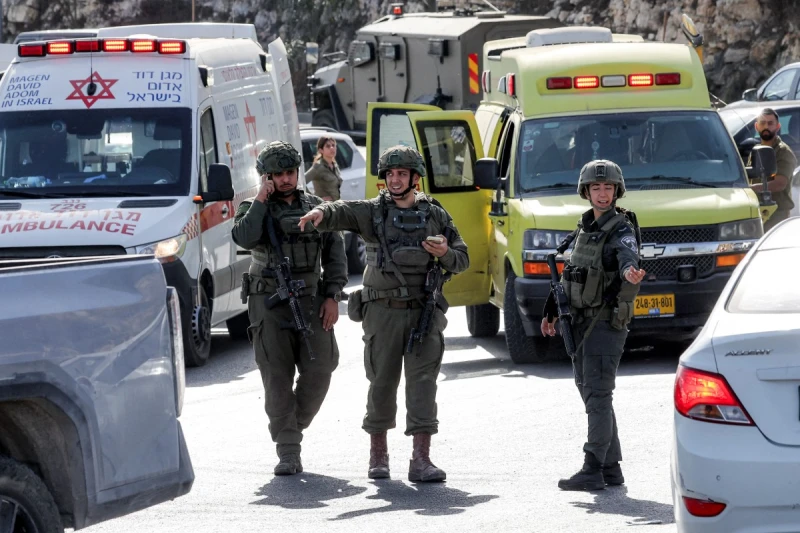
On the same day, Lebanese state media reported that an Israeli strike on a vehicle in southern Lebanon killed two people, occurring just one day after another incident killed two others that Hezbollah fighters.
The latter incident slammed by Hezbollah as a “blatant” truce violation and a “treacherous attack,” coming as the Iran-backed group's leader Naim Qassem claimed their resitance had thwarted the “Greater Israel” project and called for a full, timetabled withdrawal of Israeli forces from the country.
As a fifth round of Israel-Lebanon talks opened in Washington on Tuesday, Lebanese President Joseph Aoun rejected both Israel’s occupation and foreign interference, expressing hope for “the full restoration of Lebanon’s sovereignty over every grain of its soil.“
Aoun on Wednesday noted that the implementation of so-called “pilot zones“ in which the Lebanese Army would take control from occupying Israeli forces “are currently “under discussion [and] pending approval from the Israeli side.“
Katz’s words echo the belligerent statements of Israeli National Security Minister Itamar Ben-Gvir, who said on Monday, “We love Trump, but first and foremost Israel's soldiers, first our fighters, first our residents,” as he urged the far-right government to “attack Beirut.”
Trump had previously expressed discontent at Israel’s conduct in Lebanon, slamming Netanyahu for attacking southern Lebanon on the day that Tehran and Washington were poised to announce the finalization of the deal.
The US and Iran signed an MoU last Wednesday to end hostilities whose very first point calls for the immediate and permanent termination of military operations on all fronts, explicitly naming Lebanon.
Last Saturday, Iran announced the closure of the Strait of Hormuz in response to Israel’s military offensive in Lebanon, underscoring the importance of the first provision of the MoU in preserving the peace process, before the move was apparently reversed.
“As Prime Minister Netanyahu and I have clarified - Israel will not withdraw from the security zone in Lebanon,” Katz said in a subsequent response.
Hostilities between Israel and Hezbollah escalated on March 2 under the backdrop of the US-Israeli war on Iran, triggering a wave of Israeli strikes that have killed more than 4,100 people and displaced over one million, according to Lebanese authorities.
Israel's onslaught has so far resulted in the complete destruction of “11,095 buildings... impacting 17,891 housing units, while 2,242 buildings sustained partial damage... and 9,311 buildings incurred minor damage,“ the United Nations Development Programme (UNDP) and Lebanon's National Council for Scientific Research (CNRS) reported on Monday.
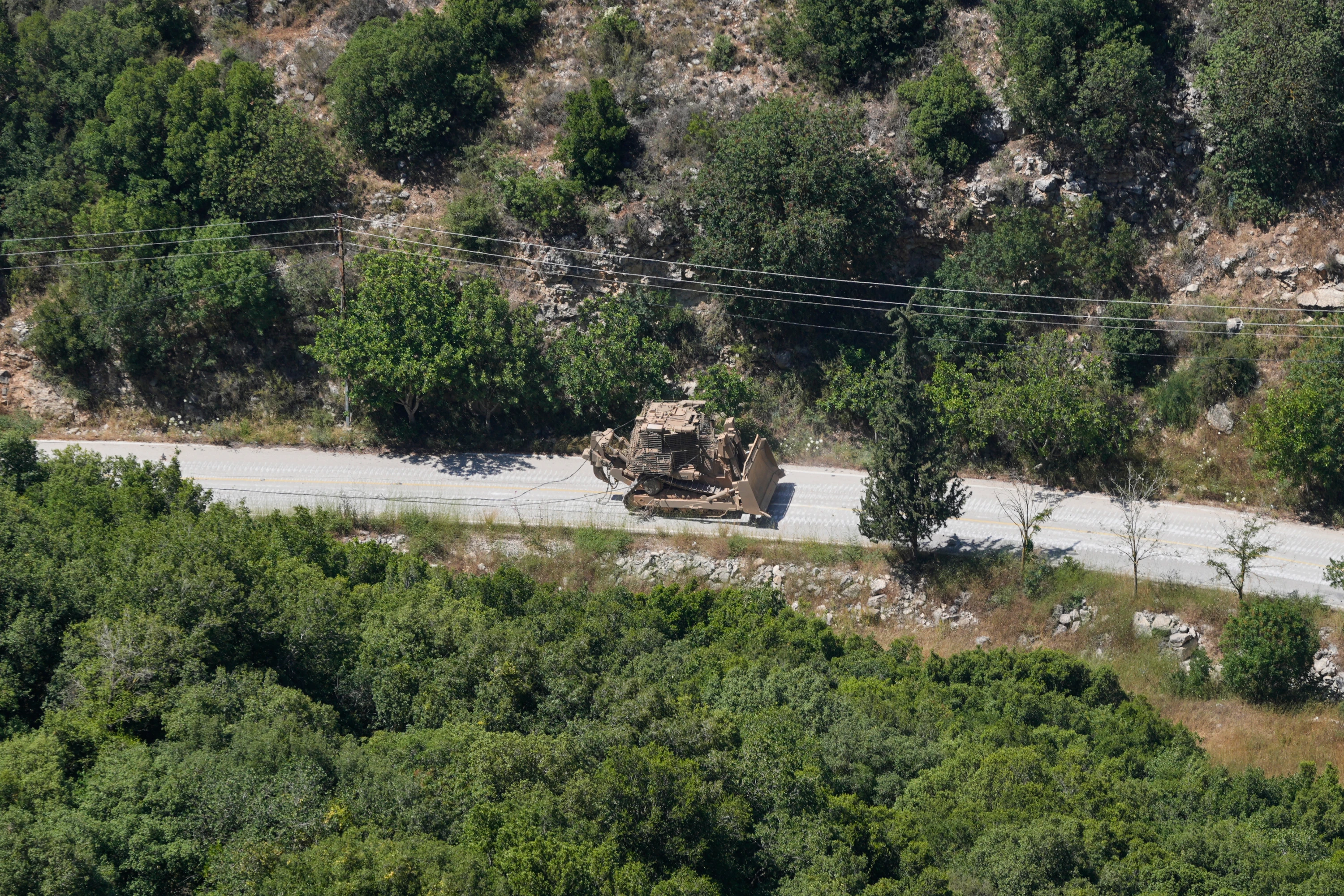
Following months of fighting with Hezbollah, Israel set the so-called “yellow line” extending roughly 4 to 10 kilometers inside Lebanese territory, from the Mediterranean coast to the Syrian border, designating at least 55 villages off-limits, barring Lebanese residents from returning as homes and infrastructure have been demolished to create a cleared, uninhabited buffer zone.
 Facebook
 LinkedIn
 Telegram
 X
X