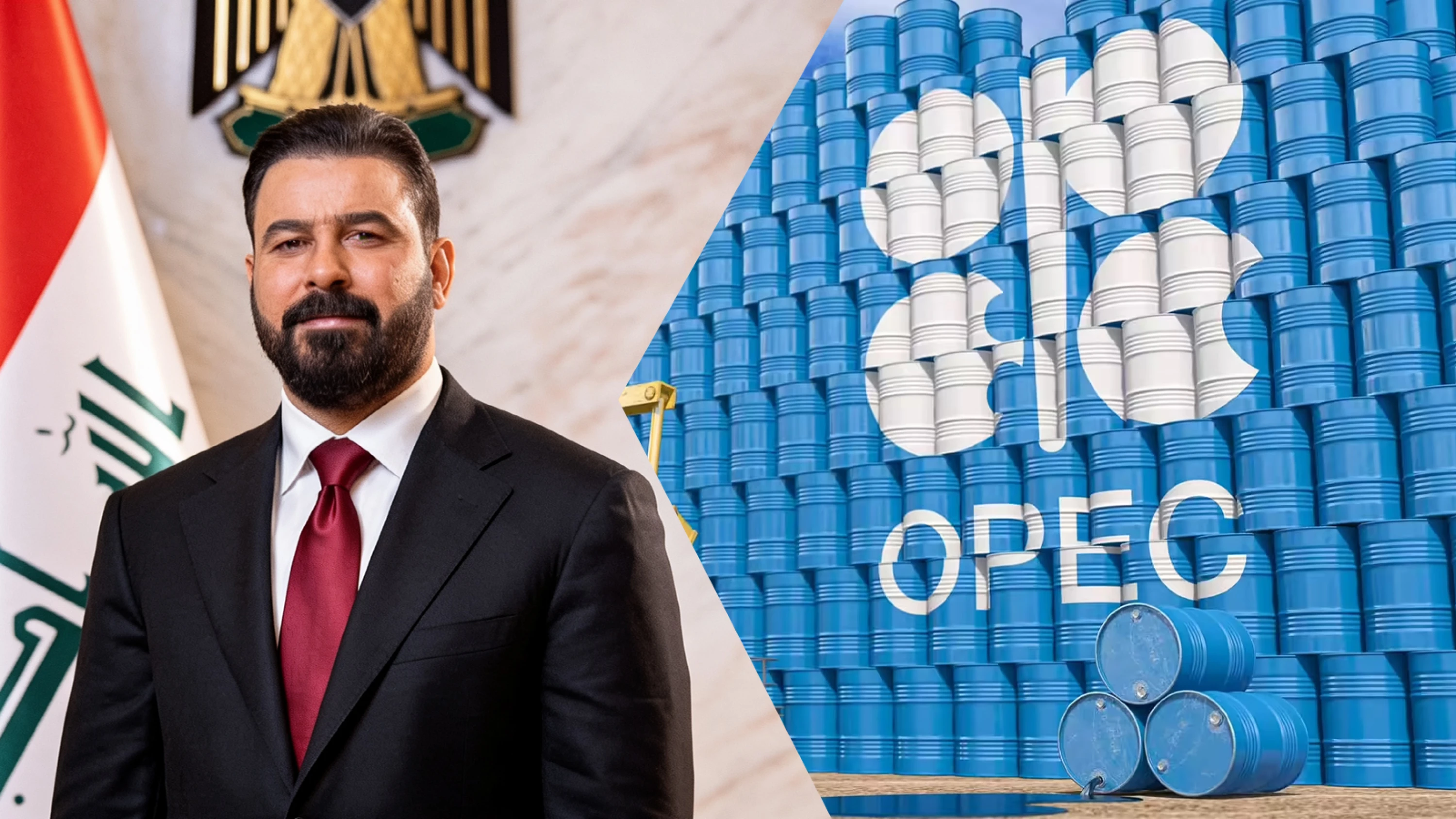
DUBAI, UAE - Iraq’s oil ministry said Friday that Prime Minister Ali al-Zaidi “did not raise the issue of Iraq withdrawing from OPEC,” stressing that any requests related to production quotas “are discussed through OPEC’s technical and consensus-based mechanisms.”
On Thursday, Zaidi said Iraq could consider suspending its membership in OPEC if the country is prevented from increasing its oil production capacity, but denied any plans to leave the bloc.
Speaking to Iraqi state media, oil ministry spokesperson Salim al-Rikabi said the Iraqi government continues to support reviewing production quotas “in line with the conditions of member states, approved agreements and understandings, while taking into account Iraq’s special security and economic circumstances.”
He said OPEC and its allies have responded by launching a process to assess the sustainable production capacity of member states in coordination with an independent international consulting firm, with Iraq actively participating according to the approved timetable.
“OPEC and its allied countries have also begun gradually restoring the production quantities allocated [to members], particularly the voluntary cuts, over the coming months, which contributes to enhancing Iraq's production capacity,” said the spokesperson, affirming that “any demands related to production ceilings or production levels are discussed and addressed through the approved technical and consensus-based mechanisms within the framework of OPEC and its alliance.”
In August 2025, OPEC+ effectively ended a tranche of voluntary cuts that had been in place since 2023, when eight countries reduced output by 2.2 million barrels per day.
According to Rikabi, these factors will be considered “to ensure Iraqi oil production reaches a fair level,” allowing the country to regain its position as OPEC’s second-largest producer while supporting projects to develop and rehabilitate the oil sector, Iraq’s main source of government revenue.
In an interview with The National published Thursday, the Iraqi premier said they are working to secure “a fair production quota for Iraq that reflects the country’s capabilities,” while stressing that the government’s goal is to raise oil production to seven million barrels per day over the next three years.
Zaidi said Iraq’s planned energy partnership with the United States, which includes increasing oil production, could be “possibly going beyond the OPEC quota” depending on economic and production conditions.
The United Arab Emirates withdrew from OPEC and OPEC+ on May 1, saying the decision followed a “comprehensive review” of its production policy and reflected its focus on advancing its “national interests.”
 Facebook
 LinkedIn
 Telegram
 X
X