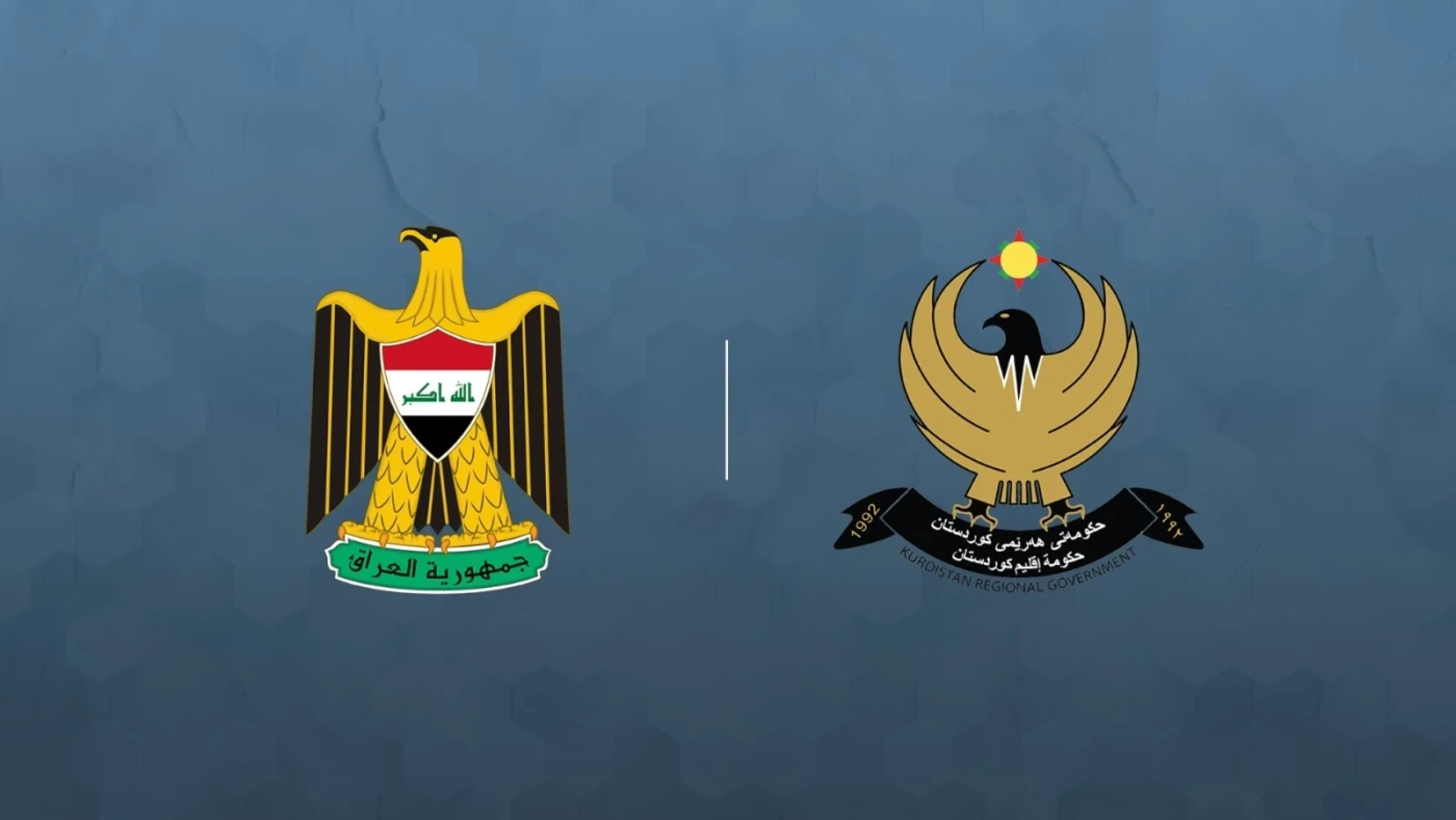
ERBIL, Kurdistan Region of Iraq – Erbil and Baghdad have resolved nearly all outstanding disputes over customs procedures, except the mechanism for distributing revenues, a Kurdistan Regional Government (KRG) official said on Thursday.
The two governments have agreed to form a joint committee, overseen by Iraq’s Border Ports Authority, to assess the Kurdistan Region’s border crossings.
The crossings that have the necessary infrastructure for the ASYCUDA customs system will be officially recognized, while the ones that do not will be shut down within 30 days, Sami Jalal, the head of the KRG delegation for customs disputes, told The New Region.
Standing for the Automated System for Customs Data, ASYCUDA is a wholly digitalized border control system whose software was developed by the UN Conference on Trade and Development (UNCTAD).
According to its website, the mechanism "handles manifests and customs declarations, along with accounting, transit and suspense procedures. It also generates trade data that can be used for statistical economic analysis."
Erbil and Baghdad have also agreed on a memorandum to be drafted, unifying customs procedures and exemptions between the two sides, which will be implemented upon its approval by the Iraqi Council of Ministers.
The two sides have yet to find common ground on the mechanism of revenue distribution. The Iraqi government has suggested that the revenues be sent directly to the Iraqi finance ministry, which will in turn send the KRG’s 50 percent share back to Erbil.
Baghdad's demand that all customs revenues be transferred to the federal treasury before a portion is returned to the Kurdistan Region has been a major sticking point toward an agreement between the two sides, and still continues to present a challenge.
Meanwhile, Erbil has put forward a proposal to split the revenues upon entry, with Baghdad's and Erbil’s shares directly deposited into their respective accounts.
A member of the Kurdish delegation told The New Region in mid-June that a technical agreement had been reached between the two sides, “and now companies and industrial development departments can register in the system.”
Amid the dispute, Baghdad imposed a trade embargo on the Kurdistan Region, restricted traders' access to US dollars, and established customs checkpoints between the Kurdistan Region and federal Iraq, limiting the movement of locally produced goods and exports.
 Facebook
 LinkedIn
 Telegram
 X
X