ERBIL, Kurdistan Region of Iraq – Iran's consul general in Erbil said on Sunday that Tehran has never attacked the Kurdistan Region, insisting its strikes have targeted only Iranian Kurdish opposition groups, while blaming attacks on vital sites on those he said oppose relations between Erbil and Tehran.
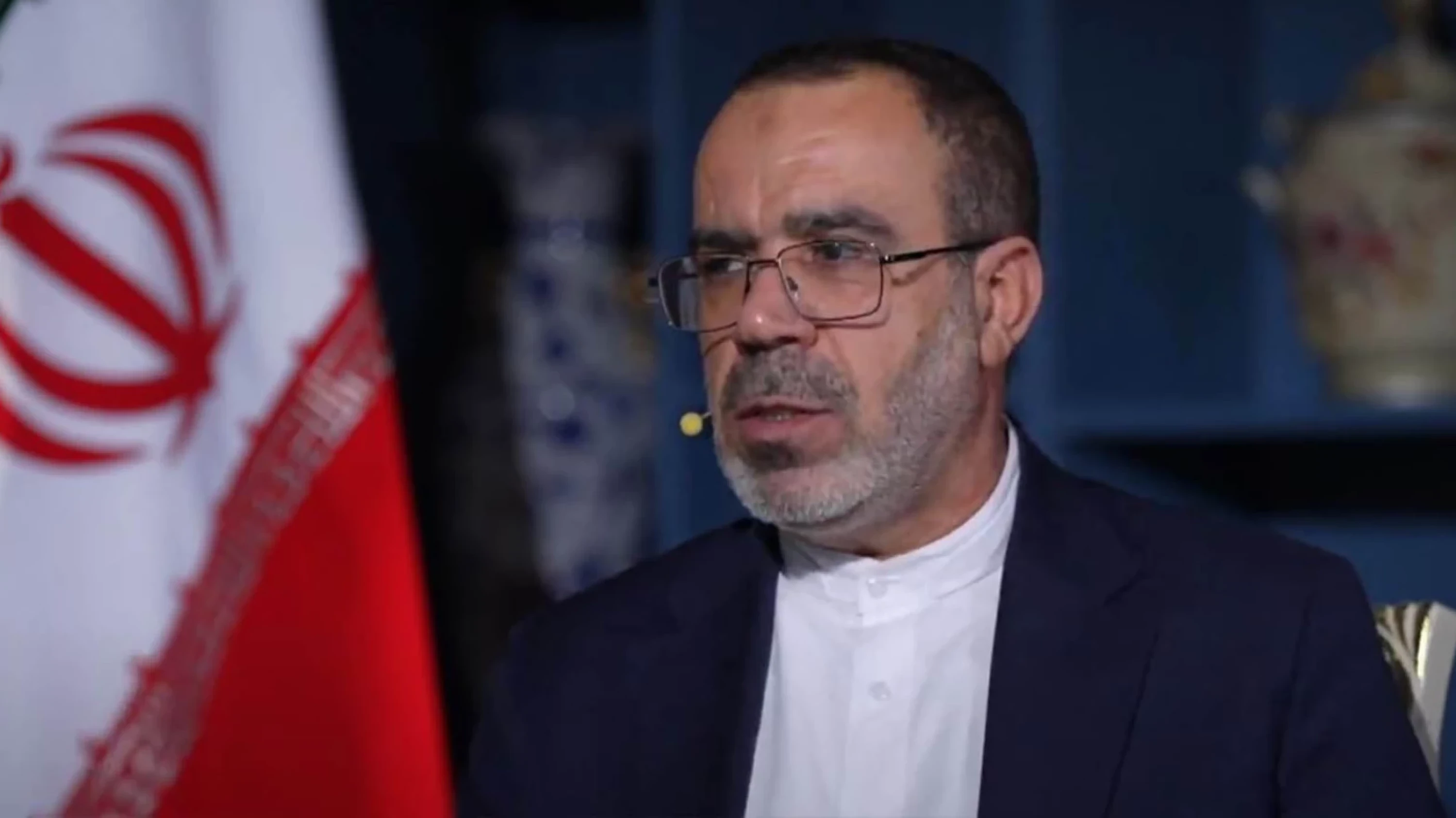
“The Islamic Republic of Iran has never attacked the Kurdistan Region or fired missiles at it,” Iranian Consul General to Erbil Faramarz Asadi told The New Region.
Iran has declared that “from wherever the Islamic republic of Iran is targeted, that point becomes a target for us,” he added, noting that “this has been the same for other neighbors as well.”
Since the start of the US-Israel war with Iran, the Kurdistan Region, despite maintaining a neutral stance, has come under hundreds of drone and missile attacks targeting civilian infrastructure, energy facilities, and Peshmerga forces. The attacks have continued despite a fragile ceasefire between Washington and Tehran.
In May, Tehran also declared the Kurdistan Region a site of “hostile bases” under its security doctrine, warning that the United Arab Emirates (UAE) had been given the same designation, making both subject to preemptive strikes.
Asadi said that he has been in daily contact with Kurdistan Regional Government (KRG) officials “since the first day of the war,” claiming that “the places that were targeted were headquarters of terrorist groups.”
In May, an Iranian ballistic missile strike on a Peshmerga base in Erbil province's Soran administration killed at least six Peshmerga fighters and wounded 30 others. KRG leaders strongly condemned the attack.
Asadi said Tehran and forces aligned with it “condemned strikes on some centers and an oil refinery” in the Region.
The Iranian diplomat also blamed the attacks on critical sites in the Kurdistan Region on those who “oppose” relations between Erbil and Tehran, without specifying whom he meant, saying “they naturally engage in this kind of mischief.”
“The Islamic Republic of Iran, not just for the Kurdistan Region, even regarding our other neighboring countries and the Persian Gulf states, Kuwait, Bahrain, the UAE, Qatar, none of these targeted points belonged to these governments or the peoples of those countries; they were headquarters of American terrorist forces,” Asadi said.
Throughout the war, Iran and its proxy groups targeted more than 15 countries across the region, citing the presence of US military bases as justification for the attacks.
Seeking to justify Iran's strikes on the Kurdistan Region, Asadi described the targets as “headquarters of terrorist groups,” claiming they had “issued a joint unity statement against the fall of the Islamic Republic of Iran” three days before the war, in an apparent reference to a joint statement issued by Iranian Kurdish opposition groups in February.
“They would support anyone who entered into war with the Islamic Republic of Iran,” Asadi added.
The Iranian Kurdish opposition groups have repeatedly denied taking part in the conflict between Iran and the United States.
Tehran designates these groups as “terrorists” and has frequently carried out cross-border attacks against them. These groups, which seek greater rights for Iran’s marginalized Kurdish population, have fought an on-and-off conflict with Tehran for decades.
Iranian strikes targeting the opposition groups in the Kurdistan Region have killed several people and wounded many others since late February.
 Facebook
 LinkedIn
 Telegram
 X
X