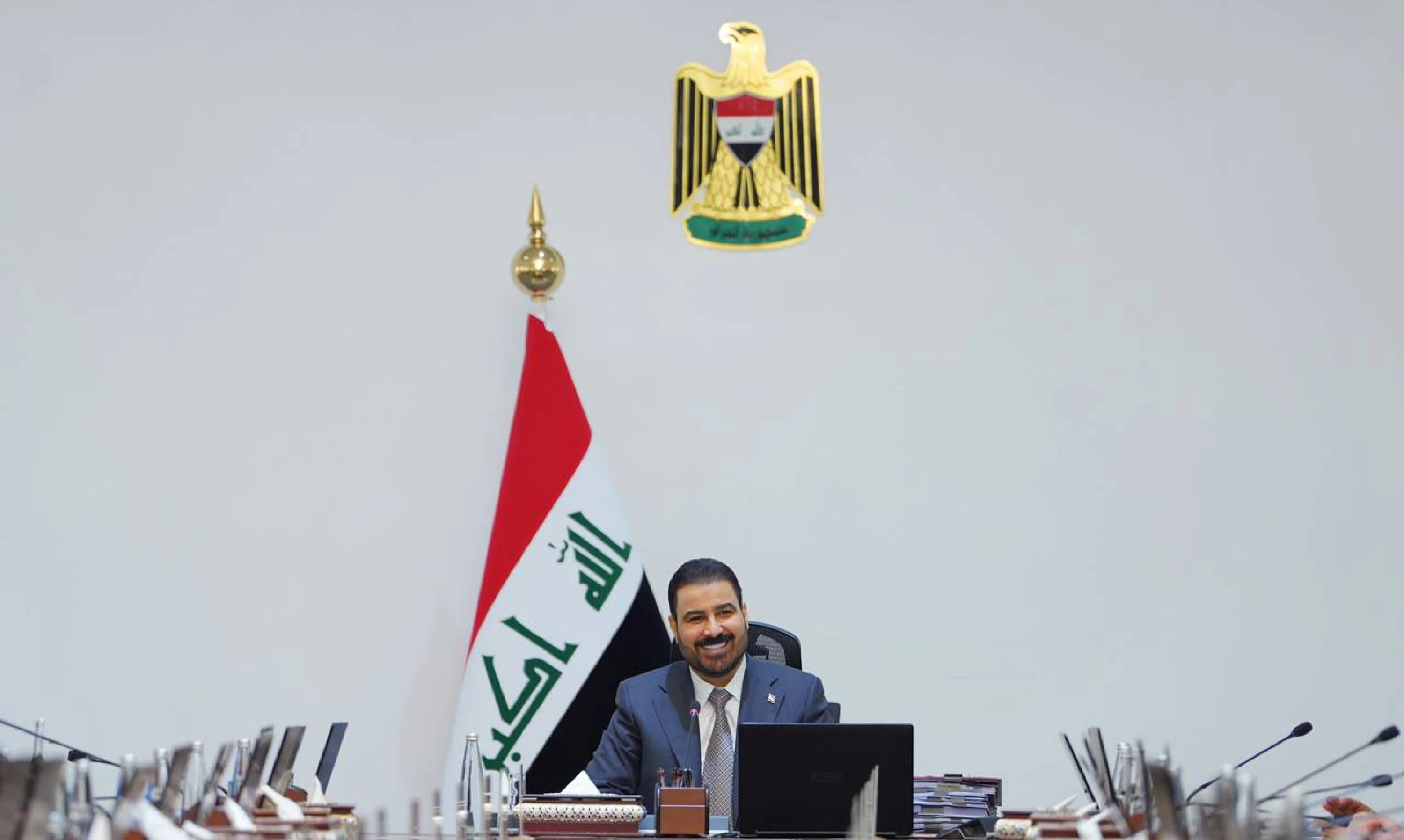
ERBIL, Kurdistan Region of Iraq - Iraqi Prime Minister Ali al-Zaidi is set to visit Washington on Monday and meet US President Donald Trump during his visit, with developing economic relations between Baghdad and Washington being on top of his agenda, his spokesperson said on Sunday.
Since taking office in May, Zaidi has enjoyed staunch US support. Trump personally congratulated him in a phone call, expressing his anticipation for a “highly productive” new bilateral relationship and extending an invitation to visit Washington.
Iraqi government spokesperson Haider al-Aboudi called the Monday visit “an embodiment of developing balanced foreign relations based on common interests.”
“Among the memoranda of understanding that will be signed between Iraq and the United States are those in the fields of oil and gas, and the introduction of specialized American companies that will raise the level of production capacity and find outlets that reduce the effects of the Strait of Hormuz,” he added.
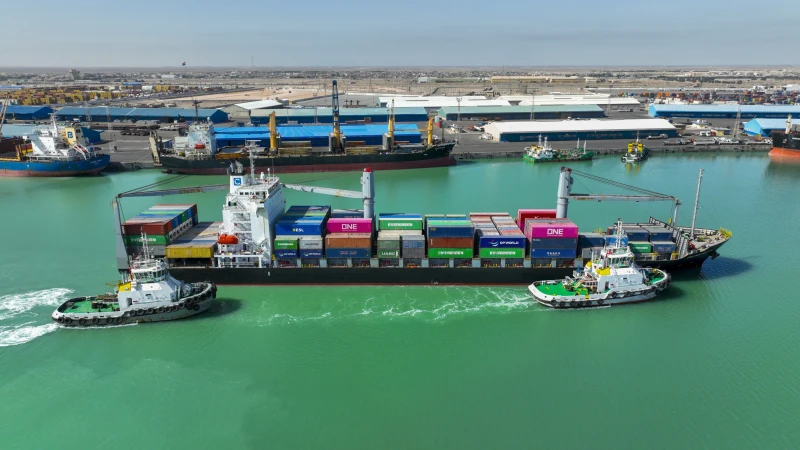
Iran has closed the Strait of Hormuz, a key waterway responsible for the transport of roughly 20 percent of the world’s oil, as a means in its war against the US and Israel, sharply driving up global oil prices.
In May, Iraqi Oil Minister Basim Mohammed Khudair said the country only exported 10 million barrels of oil via the Strait of Hormuz in April, as opposed to the standard 93 million barrels per month.
On Saturday, Mudher Mohammed Salih, financial advisor to the prime minister, told state media that relations between Baghdad and Washington are shifting from a security and military standpoint “to a broad investment and development partnership that aligns with the goals of Iraq Vision 2050.”
“The visit's discussions will focus on important issues, most notably the development of economic and investment relations,” particularly in the energy, trade and technology sectors, Aboudi confirmed.
A banker and businessman, Zaidi was appointed as prime minister following at least seven meetings held by the ruling Shiite Coordination Framework aimed at naming a candidate for the top post.
Largely seen as a compromise candidate, Zaidi was picked after a “lack of consensus on choosing a candidate from the proposed names,” according to his predecessor Mohammed Shia’ al-Sudani.
The confinement of weapons within the authority of the Iraqi state has emerged as one of the central objectives of Zaidi’s government program, which the US has pushed for over the years.
Aboudi said Iraq’s restriction of weapons to the state is a “decision to secure an environment of investment and internal stability,” adding that the development of Iraqi security forces will also be discussed in Washington.
Several pro-Iran Iraqi factions have already announced their willingness to hand over weapons and integrate into the state security apparatus, with some also declaring their willingness to sever their ties with the Popular Mobilization Forces (PMF).
In a Sunday article on The Washington Post, Zaidi said that his government “has made progress on disarming a significant number of armed groups and opening the door for their integration into state institutions.”
“I have also made a firm commitment to the Iraqi people that Sept. 30 — the date marking the end of the Coalition forces’ mission in Iraq — will also mark the beginning of a new phase of ambitious partnership with the United States,” he wrote.
Under Zaidi’s directive, Baghdad has also intensified efforts to curb corruption in the country, which is also seen as a positive step towards attracting foreign investments.
The government launched a large-scale anti-graft campaign in late June, when security forces entered Baghdad’s heavily fortified Green Zone and arrested scores of senior officials and lawmakers over alleged corruption and theft of public resources.
 Facebook
 LinkedIn
 Telegram
 X
X