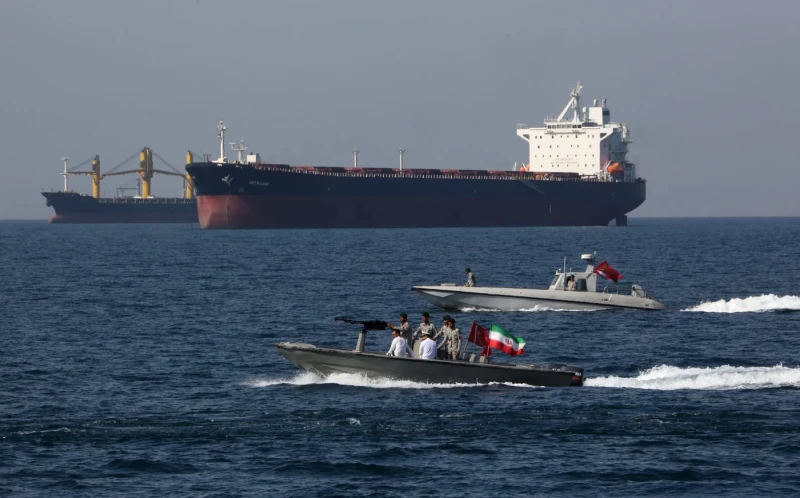
ERBIL, Kurdistan Region of Iraq – Iranian lawmakers have introduced a bill about the Strait of Hormuz, the head of the legislature’s security committee said on Tuesday, as tensions surge between Washington and Tehran in the vital waterway.
The bill, titled the “Strategic Action for the Security and Sustainable Progress of the Strait of Hormuz,” was introduced to the Iranian parliament on Monday night, Ebrahim Azizi, head of the parliament’s national security commission, said on X.
“We remain steadfast in defending our red lines, particularly regarding the management of the Strait of Hormuz,” Azizi stressed.
It comes as the US and Iran trade strikes for a third consecutive night, with the American army’s Central Command (CENTCOM) saying late Monday that they struck Iranian coastal defense systems, as well as missile and drone sites, across several coastal cities.
Iran’s Islamic Revolutionary Guard Corps (IRGC) also claimed an attack on a US airbase in Jordan with ballistic missiles, saying that the base “was used to attack us, and the American criminals were held accountable for their actions.”
“This is the first step; subsequent measures are forthcoming,” Azizi noted.
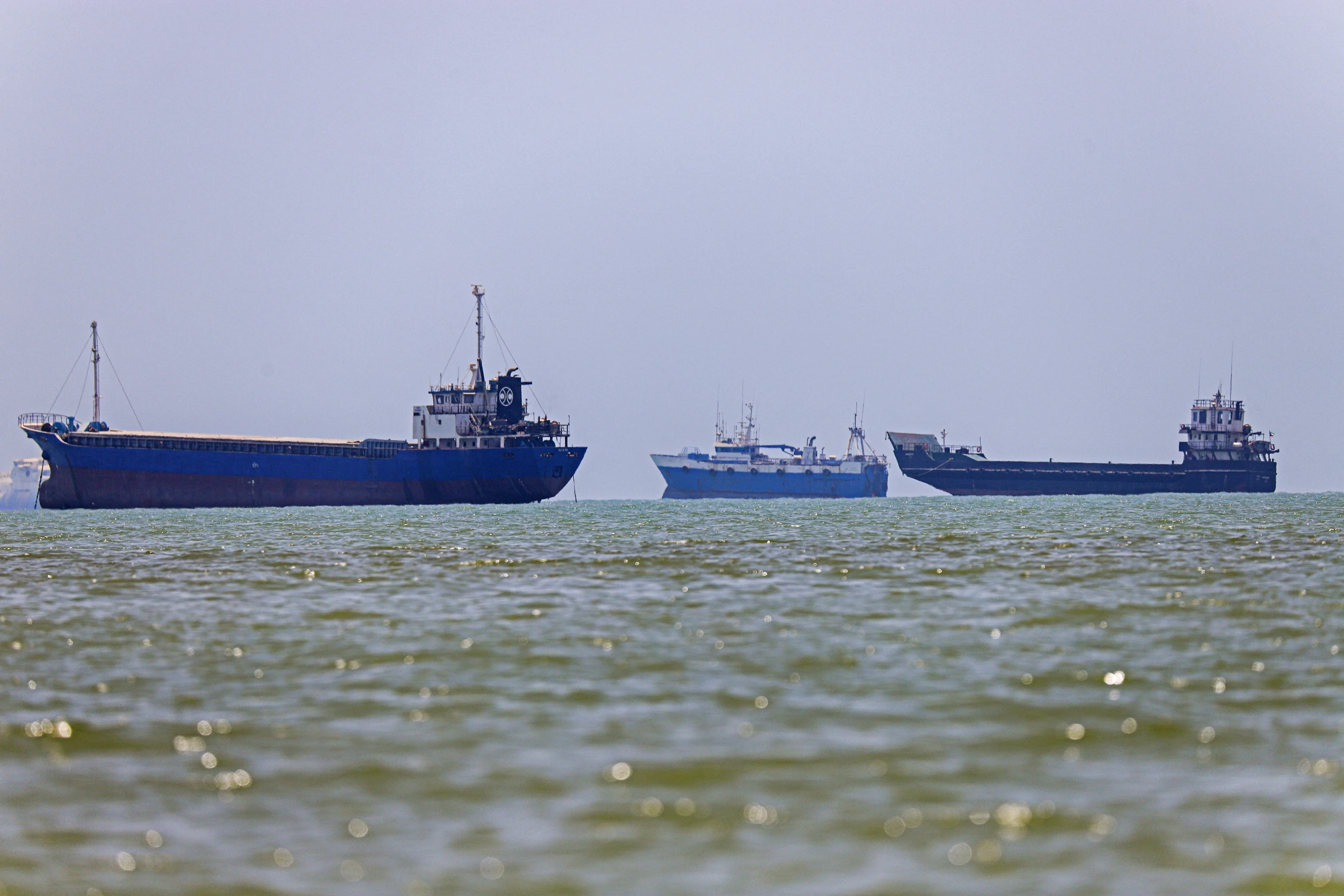
Renewed tit-for-tat strikes started after CENTCOM alleged that Iran had “blatantly attacked” a Cyprus-flagged container ship transiting the Strait of Hormuz earlier this week. US forces began striking Iranian military targets early Sunday, hitting around 140 targets in the first wave.
Tehran has shut the Strait of Hormuz, a key waterway responsible for the transport of roughly 20 percent of the world’s oil, since its war with the US and Israel began in late February.
Free navigation in the vital waterway has been a key Washington demand in the memorandum of understanding reached with Iran to end hostilities and return to talks.
Since hostilities resumed, the US has carried out daily attacks on Iran with a stated goal of weakening its ability to attack commercial ships in the strait, while Iran has also launched retaliatory strikes across the region, targeting US assets in Bahrain, Kuwait, and Jordan.
 Facebook
 LinkedIn
 Telegram
 X
X