ERBIL, Kurdistan Region of Iraq - A senior advisor to Iran’s supreme leader on Friday harshly criticized Iraqi Prime Minister Ali al-Zaidi’s trip to Washington and audience with US President Donald Trump, describing the visit as “ill-timed” and a “blow” to the dignity of the Iraqi people.
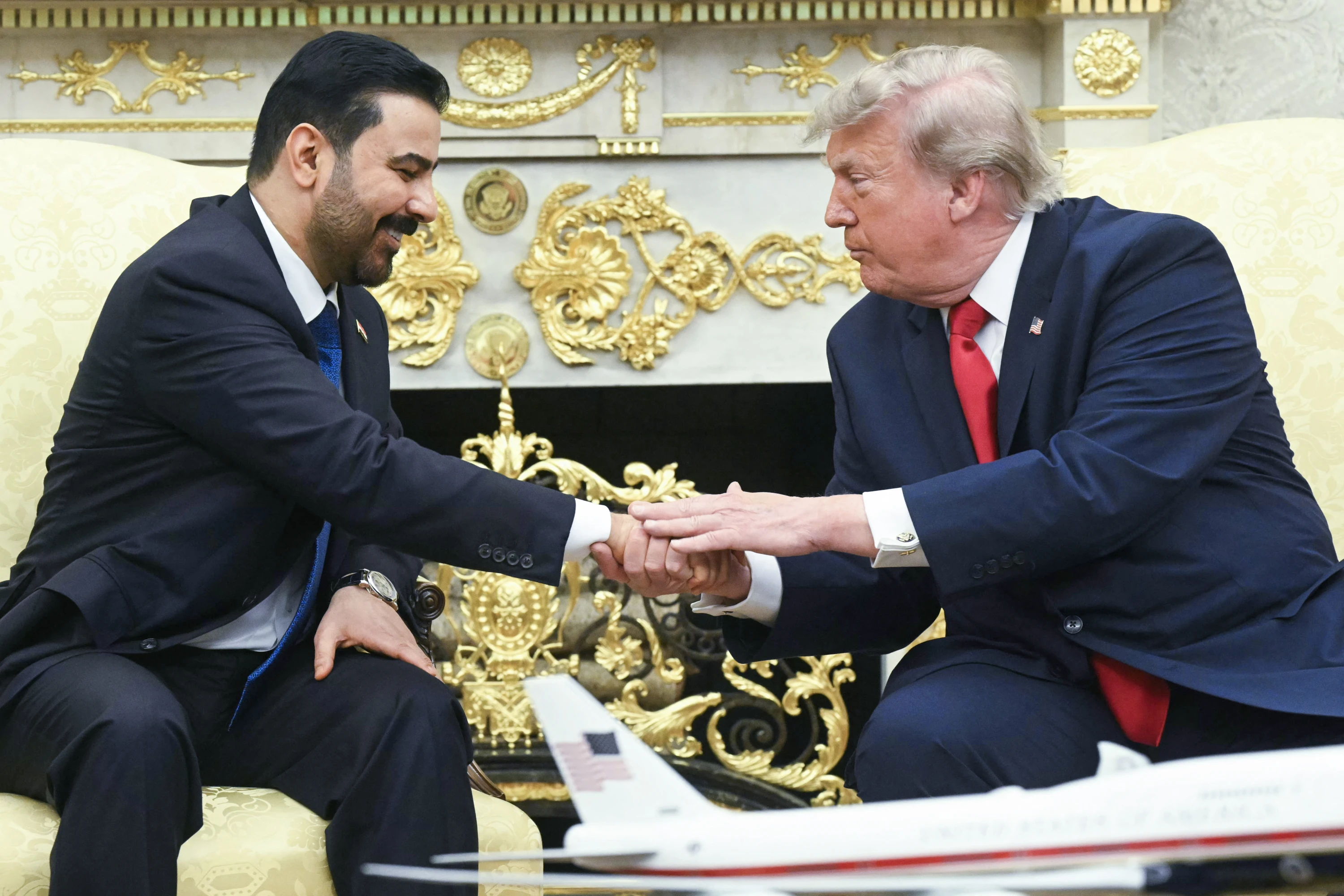
Zaidi arrived in Washington on Monday for a week-long visit with a stated aim of promoting enhanced economic partnership between Erbil and Baghdad. The trip has drawn the ire of pro-Iran Iraqi parties and armed factions who have been one of the main elements targeted in Zaidi’s efforts to confine weapons to the state and reclaim Iraqi sovereignty through curbing Iranian influence.
Ali-Akbar Velayati, a senior foreign policy advisor to Iran’s Supreme Leader Mojtaba Khamenei, censured the “unfortunate” and “ill-timed” visit of Zaidi, whom he described as “young” and “inexperienced.”
“What occurred during this visit is a rare occurrence in the long and turbulent history of this nation, proud of its achievements. The blow dealt to the dignity of the faithful and proud Iraqi people is ‘beyond comprehension and description,’” said Velayati.
The advisor labeled Zaidi’s actions “a great disgrace to every Muslim and every free-minded person, whether Iraqi or not,” pointing out that the trip came mere days after the late Supreme Leader Ayatollah Ali Khamenei, who was killed in a US-Israeli strike, was laid to rest in a week-long ceremony that also saw the body transferred to Iraq’s holy Shiite cities to be honored by worshippers and followers.
Zaidi, alongside dozens of other top officials, was at the reception of Khamenei’s body in Najaf on July 7, and participated in the ceremonies that followed.
Velayati claimed that Zaidi should have consulted a religious advisor before undertaking this trip, citing Nouri al-Maliki’s use of Quranic verses to respond to Trump’s opposition of his nomination for the Iraqi premiership earlier this year.
Maliki, who has already served two terms as Iraq’s prime minister and enjoys strong backing from Tehran, was the initial choice for the ruling Shiite Coordination Framework to reassume the highest position in the Iraqi state, but his bid came to a swift end after Trump strongly rejected his nomination and threatened cutting financial support for Iraq if he were to be elected.
The US veto led to a months-long deadlock over naming another nominee that was acceptable to Washington, eventually settling on a compromise candidate in Zaidi, a businessman with no previous experience in politics and state affairs.
“The astonishing thing is that a person who took Mr. Maliki’s place [Zaidi], while the mourning rites for that martyred commander had not yet concluded, traveled to the White House, and showed no sign of grief or emotion in that meeting. This person does not know that politics is management,” Velayati added.
Another aspect of Zaidi’s trip that has been strongly criticized in pro-Iran circles has been Trump's uncouth comments on his first administration's 2020 assassination of Iraqi Popular Mobilization Commission (PMC) Chairman Abu Mahdi al-Muhandis and Qasem Soleimani, commander of Iran's Islamic Revolutionary Guard Corps (IRGC) Quds Force.
Zaidi avoided explicitly addressing Trump’s comments, highlighting that he was not practicing politics at the time, and expressing his wishes to focus on the future during his US trip.
Velayati censured the Iraqi premier for not responding to Zaidi with a “harsh rebuke,” and concluded the statement by saying: “This visit and this humiliation cause grief and sorrow to our people and to the devout, struggling Iraqi people.”
The Islamic Resistance in Iraq, a network of Iran-aligned Iraqi Shiite militias backed by the IRGC, on Sunday rejected Zaidi’s trip to Washington, saying it coincides with the people’s grief over the “heinous crimes” of the US and Israel in the region, and adding that any agreement made during the visit must be brought before the parliament.
Both Zaidi and Trump stressed that the future of Baghdad-Washington relations will lie in investment opportunities and economic cooperation, not just security, with the American leader stating that the US will be “taking out a lot of oil” from Iraq.
 Facebook
 LinkedIn
 Telegram
 X
X