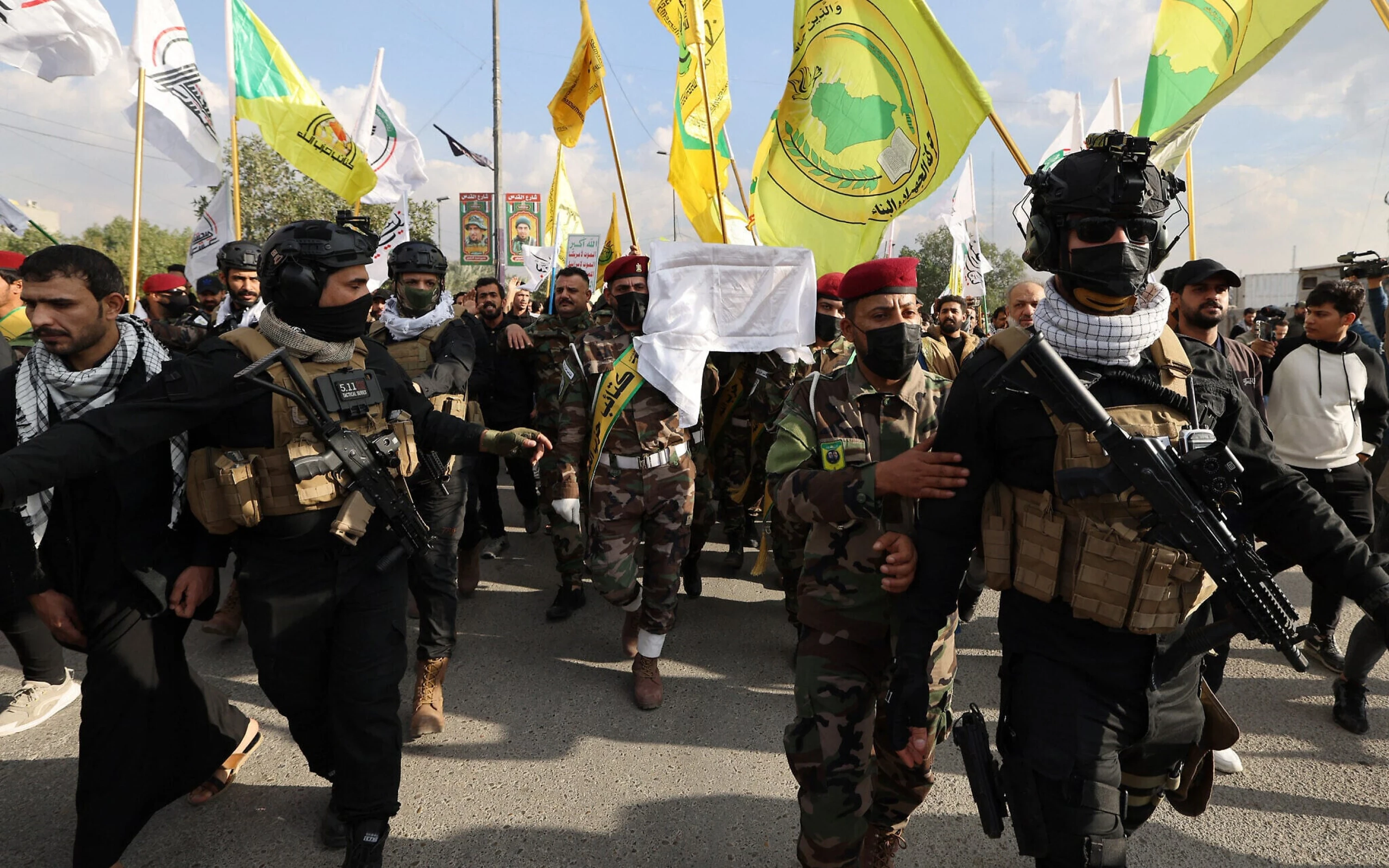
ERBIL, Kurdistan Region of Iraq - The Islamic Resistance in Iraq said on Friday it had agreed to postpone a retaliatory response “planned for today” to deadly US-Saudi strikes on the country following a call from the leader of Iraq’s Iran-backed Badr Organization to delay the action.
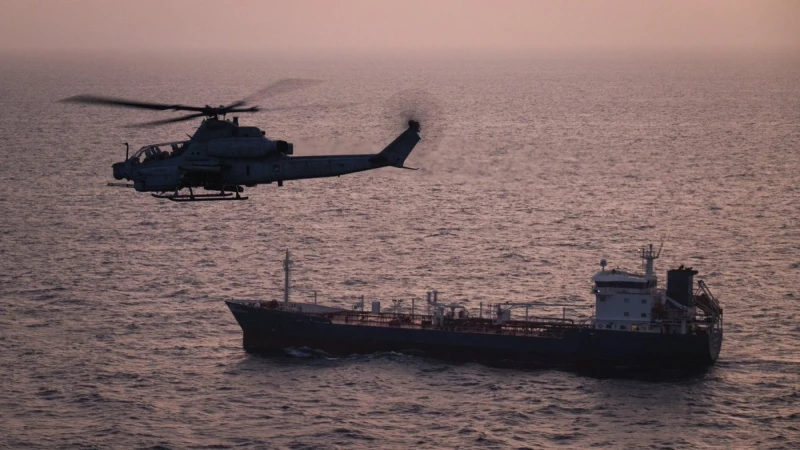
On July 29, US and Saudi forces launched coordinated attacks on bases of the state-integrated but Iran-backed Popular Mobilization Forces (PMF) across several Iraqi provinces, killing and injuring dozens in response to alleged responsibility of Iran-backed groups for attacks on Saudi oil facilities in the preceding days at the behest of Iran's Islamic Revolutionary Guard Corps (IRGC).
Earlier Friday, Amiri appealed to the group to postpone any retaliation “against the American-Saudi aggression that targeted Iraq, and to bear the pain for the sake of Iraq’s higher interest.”
In response to Amiri's appeal and stances taken by “some upright political leader,” the Islamic Resistance said it had decided to “postpone the response that had been planned for today.”
“Let the American enemy and its allies in the region know that the blood of our martyrs and wounded is the fuel of our steadfastness, and that sovereignty will not be reclaimed through timid statements, but through the fists of the loyal ones who do not compromise on the sanctity of the land or the dignity of the martyrs,” the Islamic Resistance said in its statement.
The message from the veteran Iran-aligned Iraqi figure came amid circulating reports of a potential re-escalation between the armed factions and Saudi Arabia.
Reuters, citing a senior Saudi official who spoke on condition of anonymity, reported early Friday that Saudi, US and other Middle Eastern countries' intelligence indicated that an attack could be launched “soon” in coordination between Yemen's Houthis and Iraq's pro-Iran militias, targeting “Saudi civilian sites including energy infrastructure, ports, and airports.”
Iraq has said that investigative committees formed to probe alleged strikes from Iraqi territory on Saudi Arabia found no evidence supporting the claims.
In messages conveyed to Iraqi Prime Minister Ali al-Zaidi through mediators, Saudi Arabia has accused the Badr Organization and Kataib Hezbollah, the most influential and organized Iran-backed Iraqi Shiite armed groups, of being behind the attacks targeting the country’s oil facilities in recent weeks, senior PMF officials told The New Region.
Amiri has reportedly “vehemently” rejected the accusation.
Zaidi on Friday reiterated Baghdad’s “firm stance on protecting Iraq's sovereignty” and “not allowing its territory to be used as a launching pad” for actions that harm other countries in a meeting with Saudi Arabia’s intelligence chief Khalid bin Ali al-Humaidan
The Badr Organization’s armed wing was integrated into Iraq’s security forces after 2003 and later formed the backbone of the Popular Mobilization Commission (PMC), established in 2014 as a government body covering volunteers and armed factions that fought the Islamic State (ISIS) alongside Iraqi security forces.
Despite its deep and public ties to Iran’s IRGC, the organization and its leadership have been careful to keep their fighters from playing any overt role in operations attributed to other Iranian-backed Iraqi armed factions against US forces and interests in Iraq and the region.
 Facebook
 LinkedIn
 Telegram
 X
X