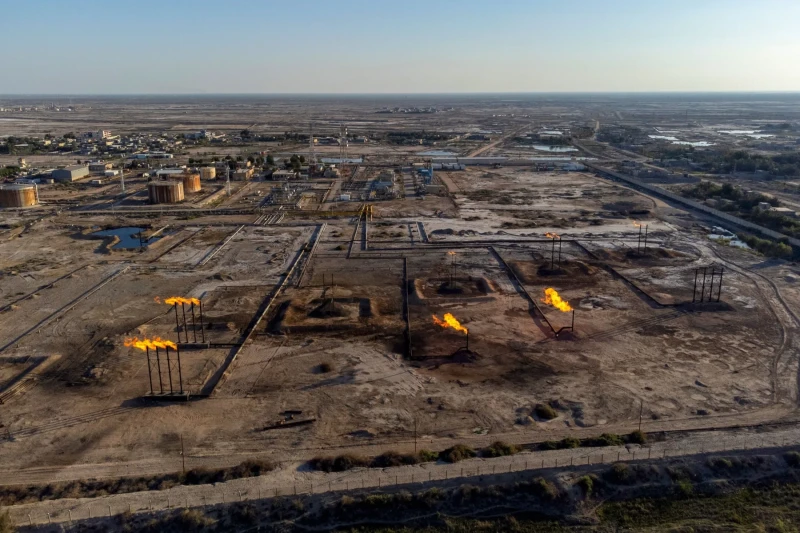

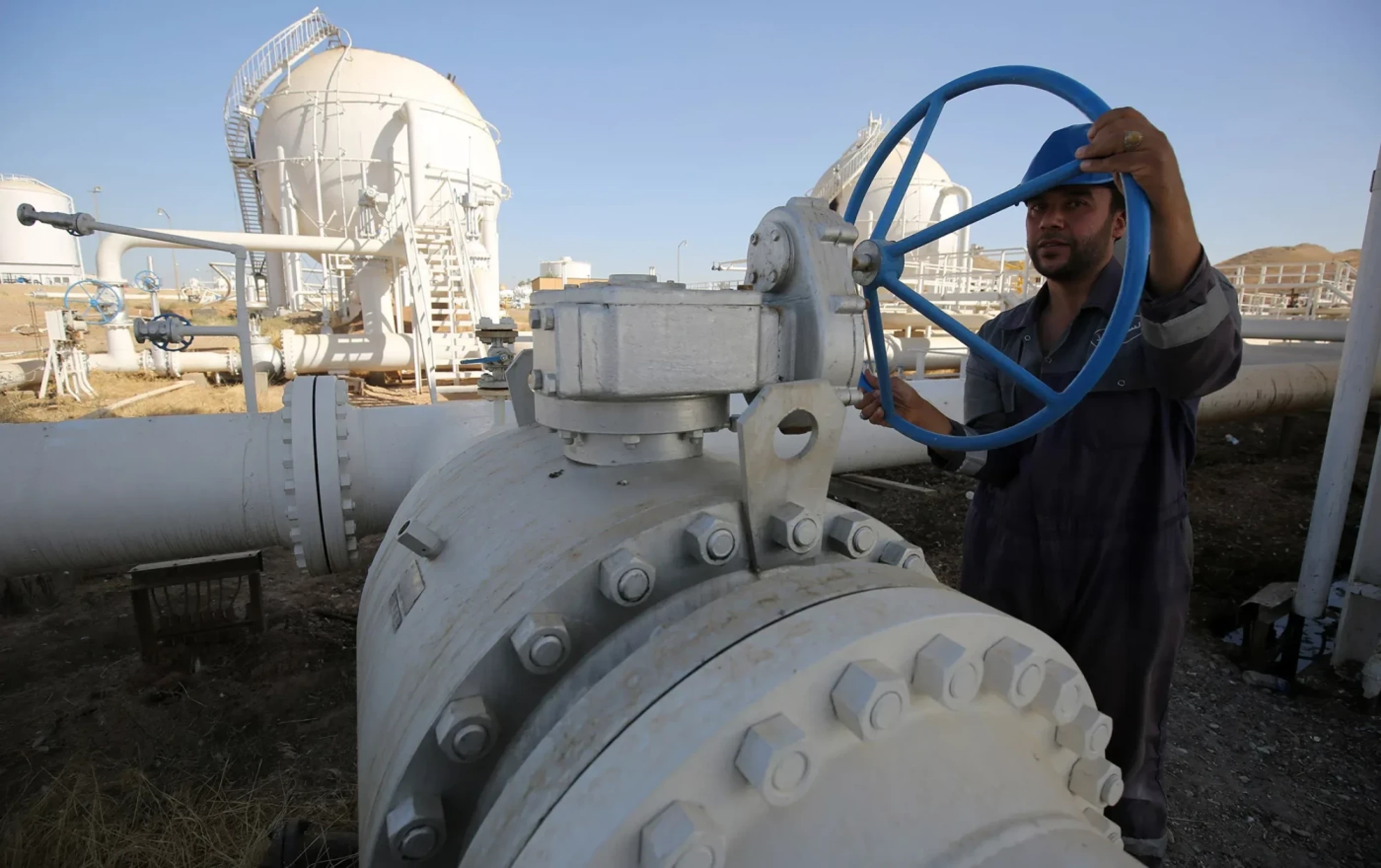
ERBIL, Kurdistan Region of Iraq – An oil pipeline linking the southern oil-rich Basra to Haditha in Anbar is set for “imminent reactivation,” Iraq’s oil minister said on Sunday, with the pipeline eventually set to link to Turkey’s Ceyhan port within three years.
Iraq’s oil ministry told The New Region last week that a new pipeline transporting oil from Basra to Haditha, then Kirkuk and finally the port of Ceyhan on Turkey’s Mediterranean coast, is set to be completed in three years.
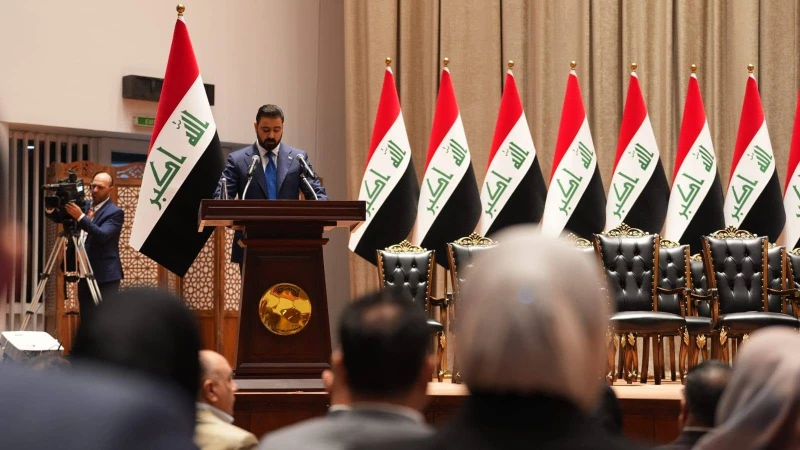
It came after Prime Minister Ali al-Zaidi visited Ankara and following the signing of a one-year agreement between Iraq and Turkey to transport 750,000 barrels of Iraq’s oil through Ceyhan daily, as the country looks to diversify export channels due to tensions in the Strait of Hormuz.
Oil Minister Basim Mohammed Khudair told the state-owned al-Sabah newspaper on Sunday that the Basra-Haditha line is awaiting “imminent reactivation” and will transport large amounts of crude from the oil-rich province.
The pipeline will then extend north “and bring the Kurdistan Region’s pipeline into service, as part of a comprehensive package of measures aimed at diversifying northern export outlets and increasing their export capacity,” he said.
Iraq is also finalizing the transport of 300,000 barrels of oil per day from the south to the Kurdistan Region via tankers as a “quick solution to enhance pumping towards Ceyhan,” according to Khudair.
The country is already transporting truckloads of oil to the port city of Baniyas on the Syrian coast. On Tuesday, Syria announced that an oil pipeline linking Haditha to Baniyas is set to take “three years at most” to be restored.
Iraq’s oil exports plummeted by over 80 percent following the closure of the Strait of Hormuz, a key waterway responsible for the transport of roughly 20 percent of the world’s oil, going from nearly 100 million barrels in February down to 18.6 million barrels in March, at the height of the conflict.
As a result, Baghdad has sought alternative long-term measures to ensure its export stability, both by increasing exports to the Ceyhan port and through transporting truckloads of oil to Baniyas.
In May and June, Iraq exported 32.1 million barrels of oil, generating a total revenue of $2.3 billion, in comparison to $6 billion generated in February alone.
 Facebook
 LinkedIn
 Telegram
 X
X