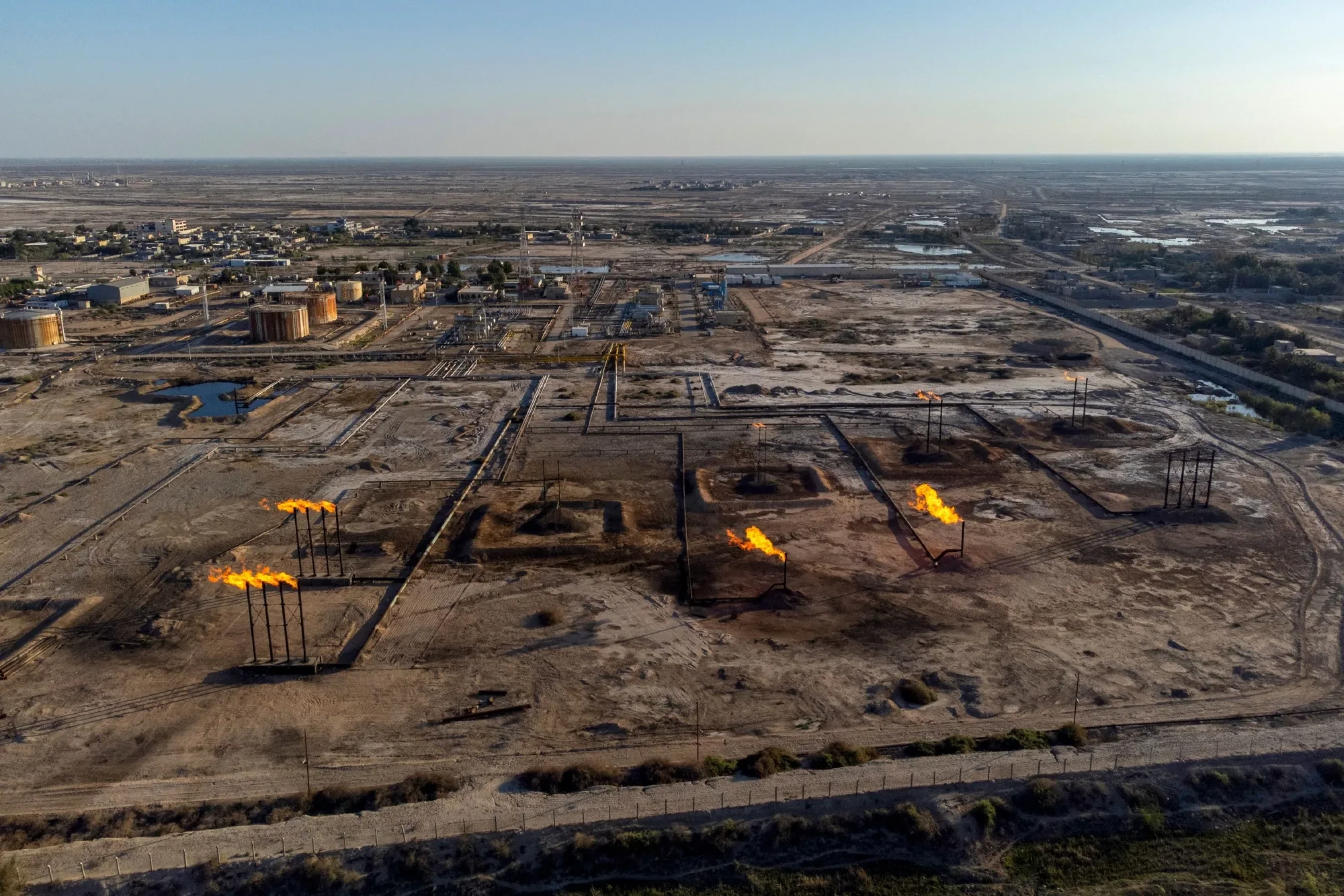
ERBIL, Kurdistan Region of Iraq – Iraqi oil exports have stabilized to an average of 2.7 million barrels a day, the oil ministry announced on Thursday, despite ongoing disruptions to shipping through the Strait of Hormuz.
Salim al-Rikabi, spokesperson for the oil ministry, said that oil exports from the southern region contribute to approximately 2.4 million barrels per day, while the Kurdistan Region and Kirkuk export 250,000 to 300,000 barrels.
“Monthly revenues from crude oil exports and other products, such as fuel oil, range between $4.5 and $5 billion, directly contributing to bolstering the general budget,” Rikabi told the state-owned al-Sabah newspaper.
The US-Iran war and the subsequent closure of the Strait of Hormuz have taken a significant toll on Iraq’s oil exports and economy, as the country ships much of its crude through the strategic waterway.
Iraq exported 18.6 million barrels of crude oil in March as the war began, generating about $1.95 billion in revenue, a steep plunge from February, when it exported 99.8 million barrels and earned $6 billion.
Baghdad has sought alternative methods to alleviate difficulties in exporting oil through the blockaded strait.
In August, Baghdad signed a one-year agreement with Ankara to transport 750,000 barrels of Iraq’s oil through the Ceyhan pipeline daily, coming after a June memorandum of understanding (MoU) between Iraq and Syria to rehabilitate the Haditha-Baniyas pipeline.
Iraqi Prime Minister Ali al-Zaidi in September called for increased oil exports from the Kurdistan Region’s oil fields, as part of the country’s plan for developing and increasing oil production from 2027 to 2030.
 Facebook
 LinkedIn
 Telegram
 X
X