ERBIL, Kurdistan Region – The implementation of the ASYCUDA system has significantly increased customs revenues to over $2 billion, the head of Iraq’s customs authority said on Wednesday, adding that the system will soon be implemented in the Kurdistan Region.
“Customs revenues since the beginning of 2026 until now have amounted to three trillion dinars (~$2 billion). The increase came as a result of applying the ASYCUDA system and not because of an increase in customs tariffs,” Thamer Qasim, head of Iraq’s customs authority, told state media.
Since early 2025, Baghdad has largely switched from paper customs declarations to electronic declarations under ASYCUDA, which stands for the Automated System for Customs Data.
The fully digital customs system was developed by the UN Conference on Trade and Development (UNCTAD).
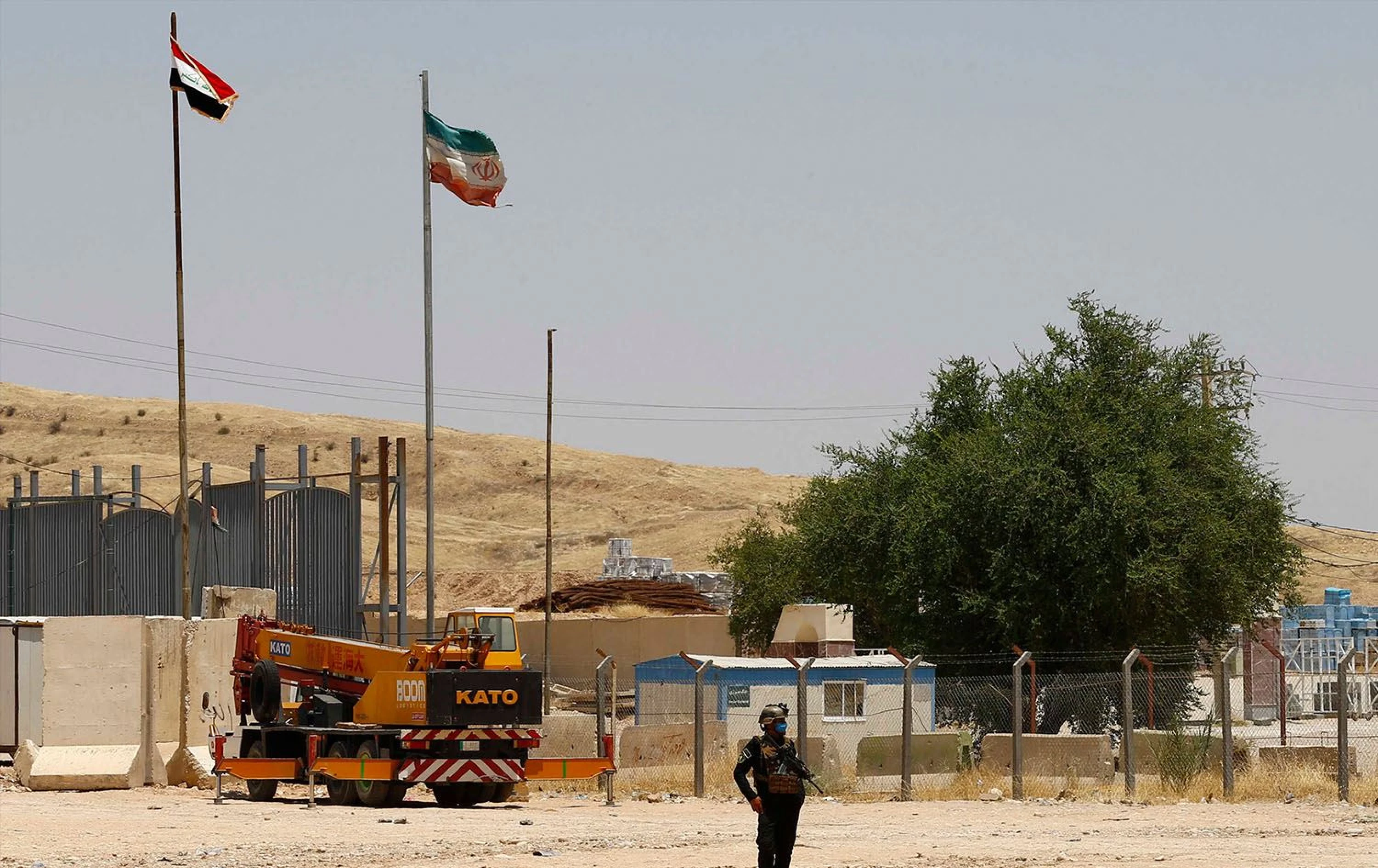
Qasim also said that ASYCUDA “will soon be implemented at the border crossings of the Kurdistan Region.”
In August, the Kurdistan Region’s interior minister announced that Erbil and Baghdad had reached a “final agreement” on the implementation of ASYCUDA and the resolution of all outstanding customs disputes.
The agreement came after repeated meetings by a joint committee, overseen by Iraq’s Border Ports Authority, to assess the Kurdistan Region’s border crossings.
Customs disputes and domestic revenues have long been a focal point of contention between the Iraqi federal government and the Kurdistan Regional Government (KRG). The KRG and Kurdish traders have accused the Iraqi government of placing a dollar embargo on Kurdish businessmen, withholding US dollar access from Kurdish traders at the official exchange rate.
The embargo has reportedly been placed due to what Baghdad regards as Erbil’s non-compliance with ASYCUDA.
 Facebook
 LinkedIn
 Telegram
 X
X